
Sciatica Physiotherapy Central London
Understand the cause. Reduce nerve irritation. Move with confidence.
Introduction
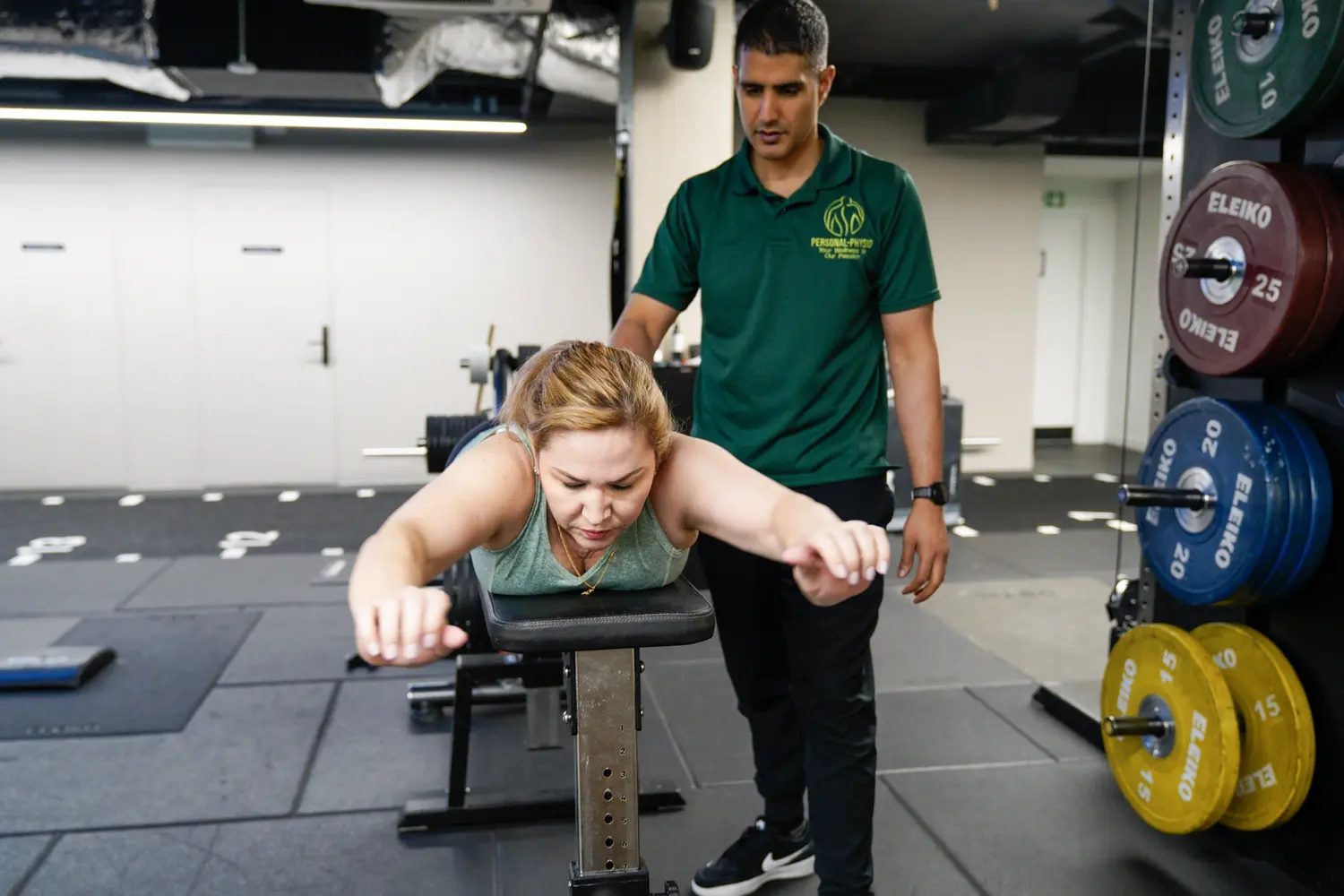
Sciatica is typically felt as pain that starts in the lower back and travels through the buttock and down the leg. It may feel sharp, aching, or burning, and is often aggravated by sitting, bending, or prolonged positions.
Rather than just treating the pain, Physiotherapy focuses on identifying what is irritating the nerve and addressing the underlying cause.

Common Symptoms
Sciatica is not limited to the lower back — it often extends along the leg.
Pain with sitting or prolonged positions
Pain, tingling, or numbness down the leg
Difficulty bending or moving comfortably
When to Seek Treatment
If symptoms persist beyond a few days, worsen, or limit movement, it’s worth getting assessed.
Early treatment helps reduce nerve sensitivity and prevents the issue becoming more persistent.
Clinical Services
How Physiotherapy Helps
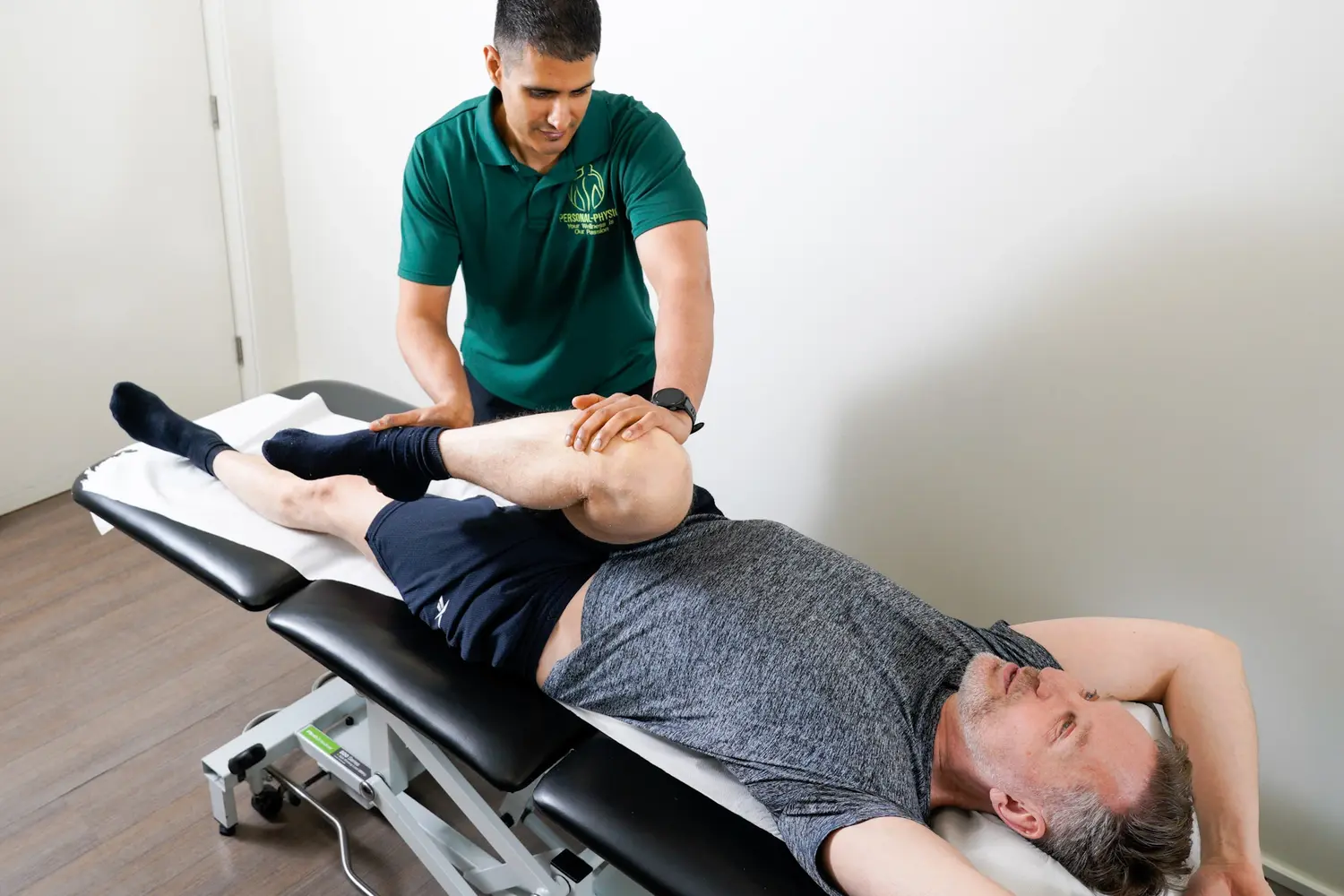
Treatment focuses on understanding nerve irritation and how your spine and hips move together.
Detailed Assessment
Identify what is driving the irritation
Targeted Treatment
Reduce pain and improve movement
Guidance & Education
Help you move with less aggravation day-to-day
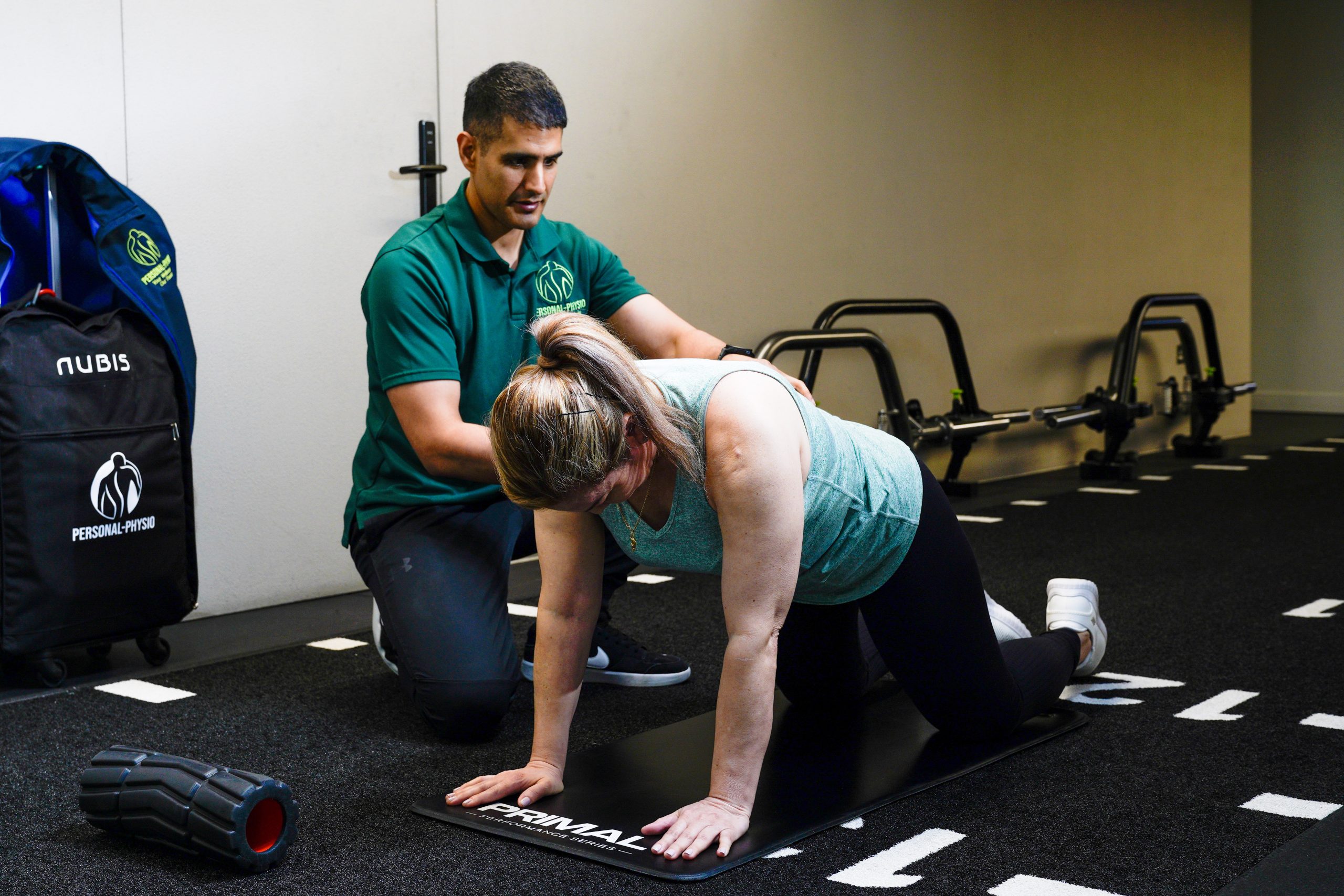
Progressive Rehabilitation
Build long-term resilience
Common Causes We Treat
Management is guided by how each pattern influences movement and nerve sensitivity.
Sciatic nerve irritation
Disc-related symptoms
Piriformis-related pain
Referred lower back pain
Expected Outcomes
With the right treatment approach, you can expect:
- Reduced leg pain
- Improved sitting and movement comfort
- Better lower back and hip mobility
- Less sensitivity during daily activity
- Gradual return to normal movement
Progress varies depending on the severity of the condition and how the body responds.
Why Choose Personal-Physio
Treatment is guided by a clear, structured plan based on how your body moves — not just where the symptoms are felt.
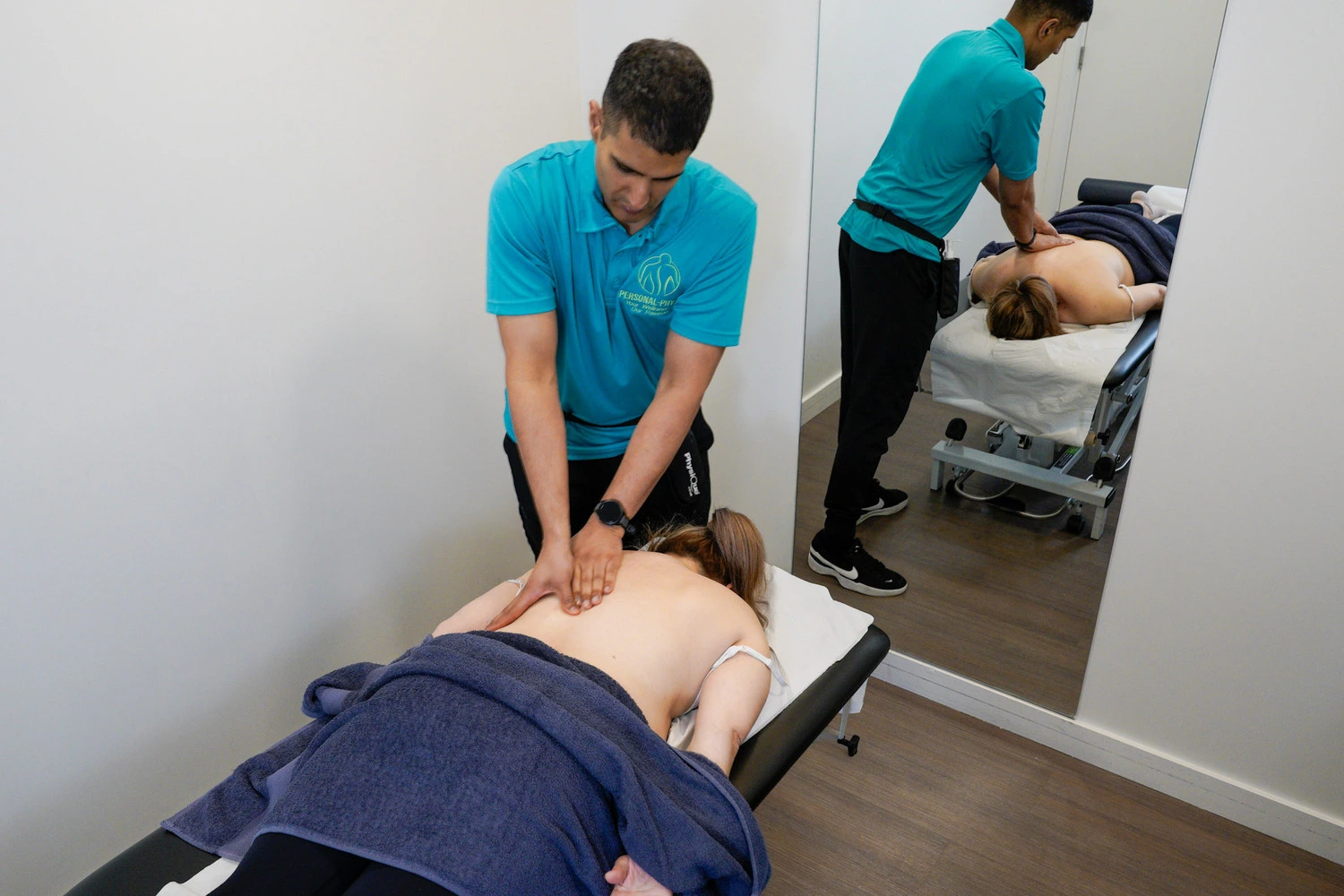
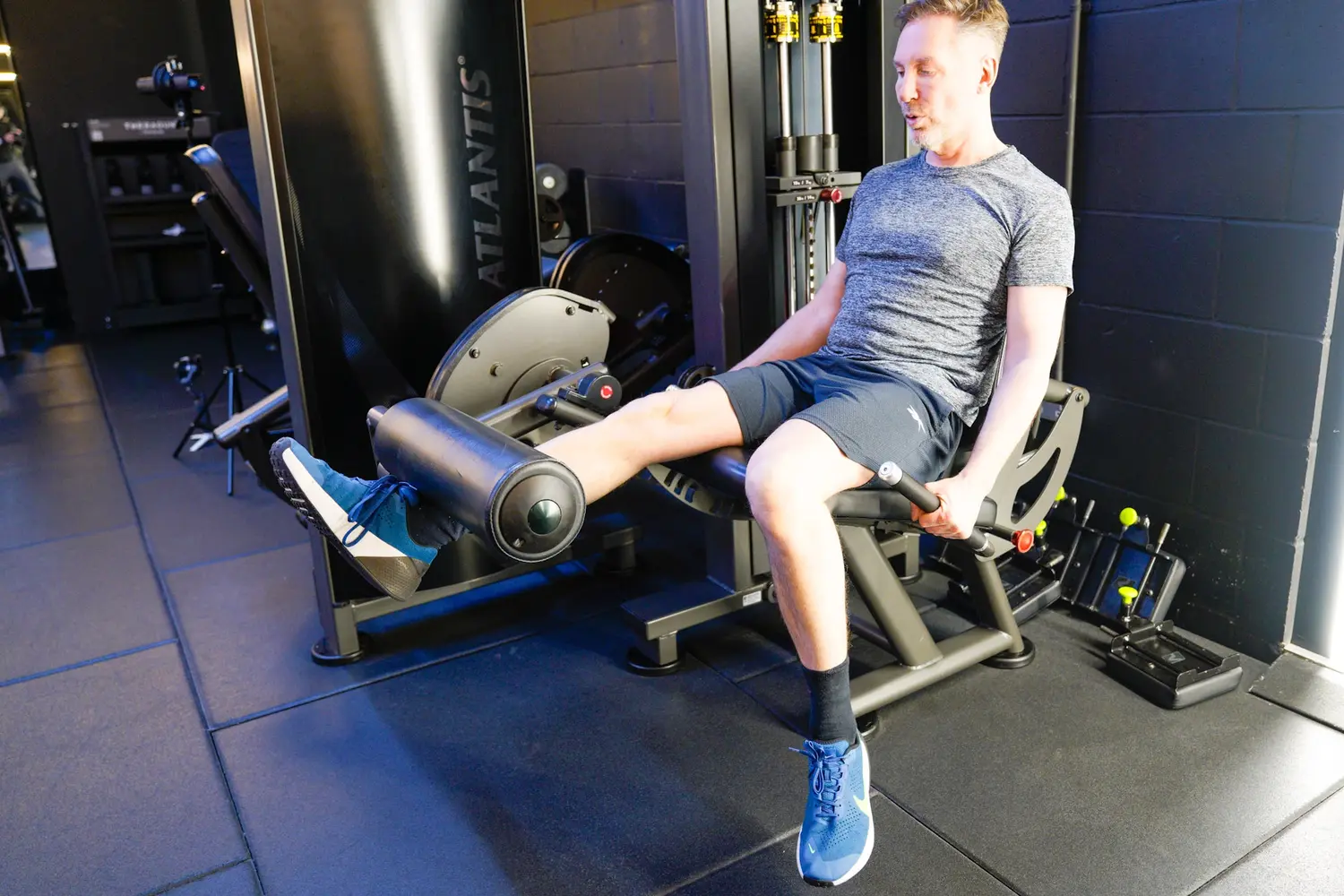
It combines hands-on physiotherapy with progressive rehabilitation in a high-quality training environment in Central London.
The focus is on improving movement, reducing nerve sensitivity, and supporting long-term recovery rather than short-term relief.
Frequently asked questions.
What is sciatica?
Sciatica is a term often used to describe pain, tingling, numbness or nerve-related symptoms that travel from the lower back or buttock into the leg. Symptoms may travel down the back of the thigh, calf or into the foot.
Not all leg pain is true sciatica, so a proper assessment is important to understand whether symptoms are linked to nerve irritation, referred pain, muscle sensitivity or another cause.
What causes sciatica?
Sciatica can occur when the sciatic nerve or related nerve roots become irritated or sensitive. This may be associated with a disc-related issue, inflammation, narrowing around the nerve, prolonged sensitivity, or a combination of back, hip and movement factors.
In many cases, symptoms are influenced by position, movement, load, recovery, confidence and how irritable the nerve is. Treatment should be based on how your symptoms behave rather than just the label.
Can physiotherapy help sciatica?
Yes. Physiotherapy can help many people with sciatica by reducing sensitivity, improving movement, restoring confidence and gradually rebuilding tolerance to sitting, walking, bending, lifting and exercise.
At Personal-Physio, treatment may include advice, hands-on treatment where appropriate, gentle movement work, nerve-sensitive rehabilitation, strengthening and a plan to help you return to normal activity safely.
Do I need a scan for sciatica?
Not always. Many cases of sciatica can be assessed clinically without needing a scan straight away.
A scan may be considered if symptoms are severe, worsening, not improving as expected, or if there are signs that medical review is needed. If imaging or referral is appropriate, this will be discussed during your assessment.
What happens during a sciatica physiotherapy assessment?
Your assessment will usually include a detailed discussion about your symptoms, how far they travel, what aggravates or eases them, how they affect sitting, walking, sleep, work and exercise, and whether there are any signs requiring medical review.
We then assess movement, nerve sensitivity, strength, reflexes where appropriate, hip and back function, and your current tolerance to daily activity. The aim is to understand what is driving your symptoms and create a safe, practical recovery plan.
Is sciatica always caused by a slipped disc?
No. A disc-related issue can contribute to sciatica, but not all sciatica is caused by a “slipped disc”, and not all disc findings on scans are painful or clinically relevant.
The more important question is how your symptoms behave, whether there are signs of nerve involvement, and what helps or aggravates your pain. Physiotherapy focuses on the person and presentation, not just a scan finding.
Should I rest if I have sciatica?
Short periods of rest may be useful when symptoms are very painful, but complete rest for long periods is usually not the best strategy.
In many cases, gentle movement, walking within tolerance, position changes and gradual activity are more helpful than avoiding movement completely. Physiotherapy can help you find the right balance between calming symptoms and rebuilding confidence.
Can hands-on treatment help sciatica?
Hands-on treatment may help some people with sciatica, especially where there is associated muscle guarding, back stiffness, hip tension or discomfort with movement.
At Personal-Physio, hands-on treatment may include soft tissue therapy, sports massage, joint mobilisation, acupuncture or dry needling where appropriate. It is usually combined with education, movement and progressive rehabilitation rather than used as a standalone fix.
Will I be given exercises for sciatica?
Yes. Exercises are usually tailored to how irritable your symptoms are and what movements your body currently tolerates.
Early exercises may focus on gentle mobility, comfortable positions, walking tolerance and reducing sensitivity. As symptoms improve, rehab may progress towards strengthening, bending/lifting confidence, gym-based work and return to sport or training where appropriate.
Can I exercise or go to the gym with sciatica?
Sometimes, yes — but it depends on your symptoms. Some people can continue modified training, while others need to temporarily reduce certain exercises such as heavy lifting, deep flexion, high-impact work or positions that clearly aggravate leg symptoms.
Physiotherapy can help you identify what is safe to continue, what needs adjusting, and how to progressively rebuild your training without repeatedly flaring symptoms.
When should I seek urgent medical advice for sciatica?
You should seek urgent medical advice if sciatica is associated with changes to bladder or bowel function, numbness around the saddle area, severe or progressive leg weakness, difficulty walking, fever, unexplained weight loss, recent significant trauma, or severe unrelenting pain that does not ease.
These symptoms are uncommon, but they should be taken seriously and assessed medically before continuing with physiotherapy.
Do you offer sciatica physiotherapy at UNTIL Soho?
Yes. Personal-Physio provides sciatica physiotherapy from UNTIL Soho in Central London. Sessions may include assessment, advice, hands-on treatment, movement rehabilitation, strengthening and a progressive plan to help you return to work, exercise and daily activity.
Home visit physiotherapy is also available across London where appropriate, especially if travelling is difficult due to pain.
Start addressing the root cause
Book your appointment and start addressing the root cause with a clear, structured plan.