Strength & Rehabilitation in Central London
Clinical rehabilitation focused on rebuilding strength, improving movement quality, and supporting long-term physical performance.
Rehabilitation Beyond Treatment
Reducing pain is only the first step — true recovery goes further.
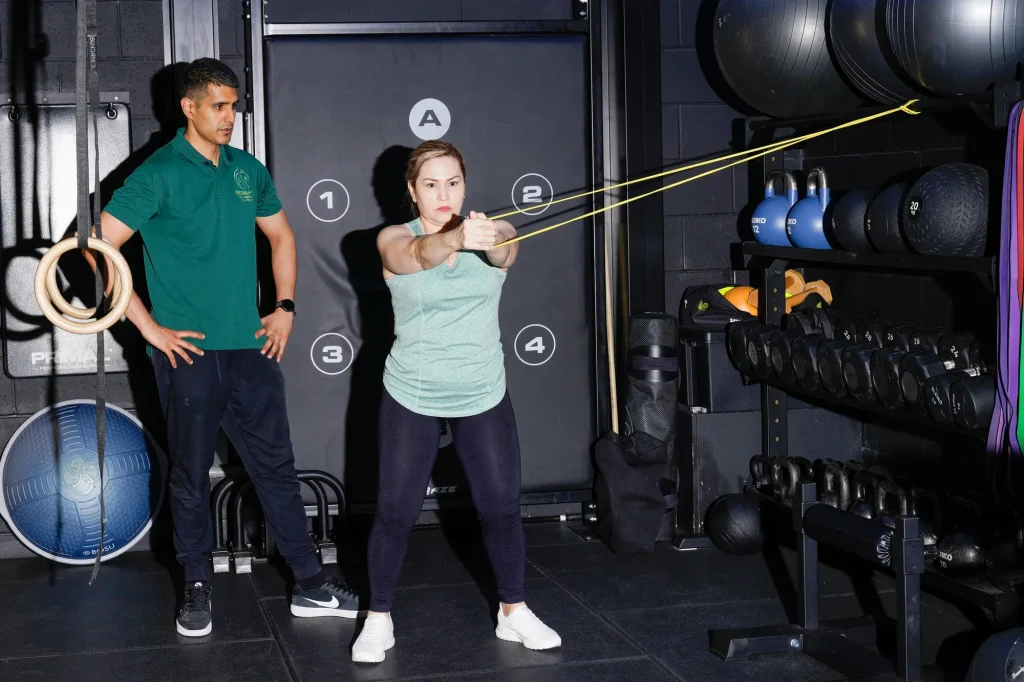
True recovery comes from improving movement quality, rebuilding strength, and increasing how the body tolerates load over time.
Strength and rehabilitation sessions are designed for individuals who need more than short-term symptom relief — particularly those recovering from injury, surgery, or recurring issues that haven’t fully resolved.
Who This Is For
This service is suitable for:
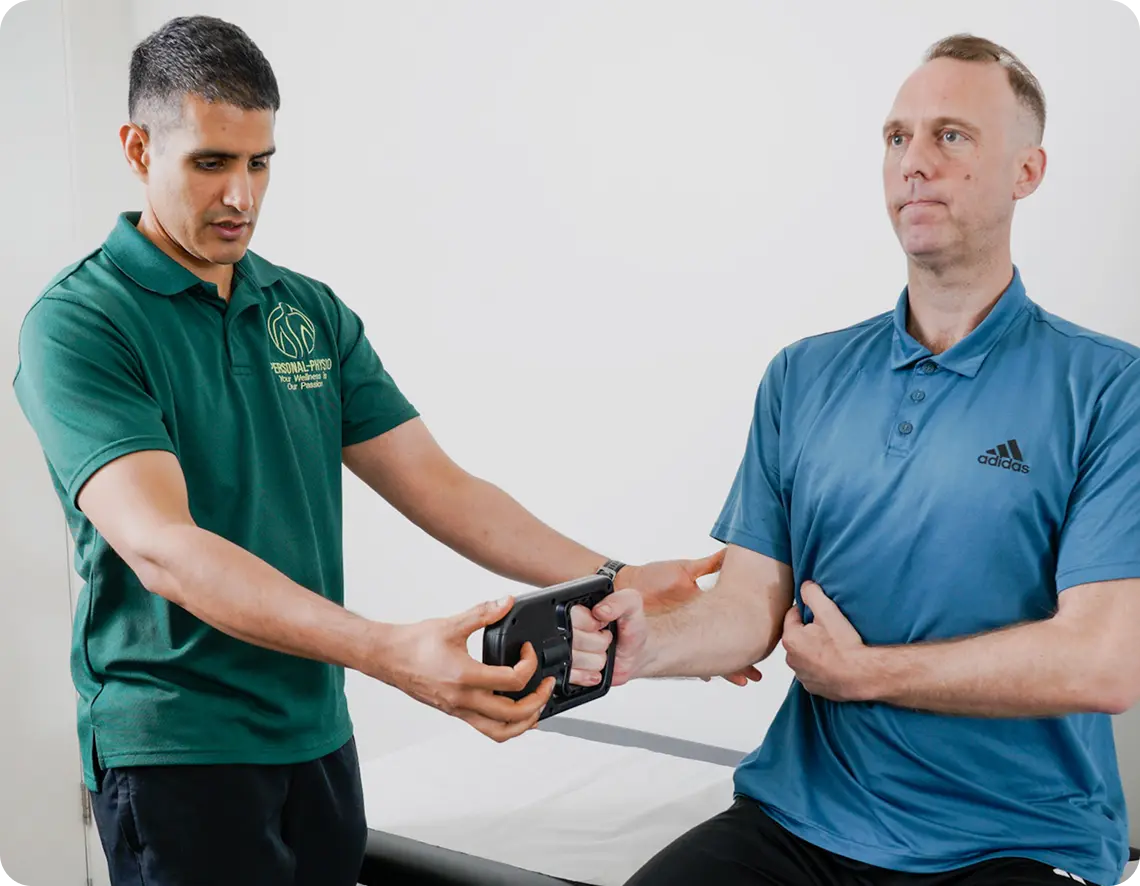
- Individuals recovering from injury or persistent pain
- Post-surgical rehabilitation (e.g. knee, shoulder, spinal procedures)
- Those returning to training or sport
- Busy professionals looking to build strength and resilience
- Anyone experiencing recurring issues that require a longer-term solution
Clinical Services
How Rehabilitation Works
Rehabilitation follows a structured progression based on how your body moves and responds to load.
Assessment of Movement and Strength
Understanding limitations, weaknesses, and compensations affecting your movement
Movement Re-Training
Improving movement quality to reduce strain and improve physical efficiency
Targeted Strength Development
Exercises designed to rebuild strength, stability, and control
Progressive Loading
Gradually increasing physical demand so the body can tolerate real-life activity, work, and training more effectively

A Structured Approach to Recovery
This approach is built around:
Identifying the underlying cause of the issue
Rebuilding strength and control in a progressive way
Improving movement quality and load tolerance
Reducing the risk of recurrence
This approach goes beyond short-term relief — focusing on building a stronger, more resilient body.
Integrated With Physiotherapy
Rehabilitation integrated with physiotherapy.
Once pain reduces and movement improves, rehabilitation becomes the key stage in rebuilding strength, movement control, and long-term recovery.
This helps ensure improvements are maintained and that the body can tolerate normal activity without symptoms repeatedly returning.

Training Environment
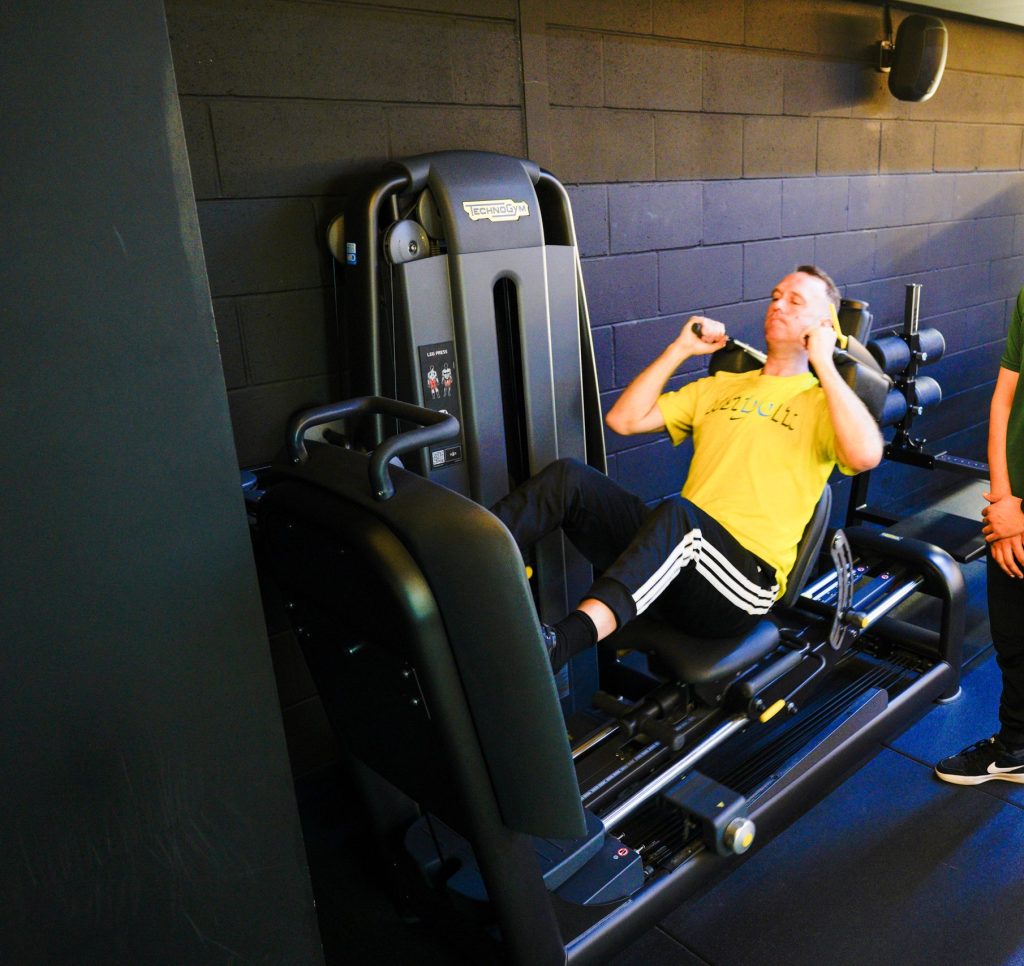
Sessions are delivered in a private, high-quality clinical and training environment in Central London.
This allows rehabilitation to progress beyond basic exercises into more structured strength-based work focused on movement quality and long-term recovery.
Sessions are delivered at UNTIL Soho, a private, high-quality training facility in Central London.

Pricing
Clinical Strength & Rehabilitation
Single Session
60 minutes
£99
5 Sessions
£95 per session
£475
10 Sessions
£90 per session
£900

Why Our Approach Works
Rehabilitation is guided by a structured plan focused on movement quality, strength development, and long-term recovery — not just symptoms.
It combines clinical physiotherapy with structured strength-based rehabilitation in a focused training environment.
The aim is to restore movement quality, rebuild strength, and support long-term physical resilience rather than short-term fixes.
Frequently asked questions.
What is strength and rehabilitation?
Strength and rehabilitation is a clinically guided approach to rebuilding movement, strength, confidence and physical capacity after pain, injury, surgery or a period of reduced activity.
Unlike general strength training, the programme is shaped by your symptoms, injury history, movement assessment, tissue tolerance and recovery goals. At Personal-Physio, the aim is not just to make exercises harder, but to help your body tolerate the right loads at the right stage of recovery.
How is this different from normal strength training?
Normal strength training is usually focused on fitness, muscle growth, performance or general conditioning. Strength and rehabilitation is different because it starts with clinical reasoning.
We consider pain behaviour, previous injuries, movement limitations, strength deficits, irritability, confidence, tissue healing, training history and your return-to-activity goals. The exercises may look similar to gym training, but the reasoning, progression and decision-making are clinically guided.
How is this different from personal training?
Personal training is usually focused on general fitness goals such as strength, fat loss, muscle building, conditioning or performance. Clinical strength and rehabilitation is focused on restoring function after pain, injury or surgery.
At Personal-Physio, exercises are selected and progressed based on assessment findings, symptom response, movement quality, strength capacity and the physical demands you need to return to. This makes it more suitable for people who are injured, recovering, uncertain about pain, or struggling with recurring issues.
How is this different from working with a strength coach?
Strength coaches are highly valuable for athletic development and performance, but they do not usually assess and manage pain, injury, post-surgical restrictions or clinical presentations in the same way as a physiotherapist.
Strength and rehabilitation bridges the gap between physiotherapy and performance training. It helps you move from pain, injury or reduced confidence towards stronger, more capable movement using clinically appropriate loading and progression.
Who is strength and rehabilitation suitable for?
Strength and rehabilitation is suitable for people recovering from injury, surgery, recurring pain, sports injuries, back or neck pain, knee or shoulder problems, tendon pain, running injuries or gym-related overload.
It is also useful if you feel unsure how to train around pain, have lost confidence after an injury, or want a more structured plan before returning to the gym, running, sport or physically demanding activity.
Do I need to be injured to book strength and rehabilitation?
No. You do not need to be injured. Many people use strength and rehabilitation to improve movement quality, build strength, reduce recurring niggles, improve confidence in the gym, or prepare for sport and physically demanding activities.
However, the service is especially useful if you have a history of pain, injury, surgery, flare-ups or uncertainty about what your body can currently tolerate.
What happens during a strength and rehabilitation session?
Your session will usually include a review of your symptoms, goals, training history, injury background and current exercise tolerance.
Depending on your needs, the session may include movement assessment, strength testing, gym-based exercises, mobility work, balance, control, technique coaching, progressive loading and a clear plan for what to work on between sessions.
The focus is on choosing the right exercise, at the right level, for the right reason.
Can strength training help with pain?
Strength training can help many pain and injury presentations when it is introduced at the right level and progressed appropriately. It can improve tissue capacity, joint support, confidence, movement tolerance and your ability to handle the demands of daily life, work, sport or training.
The key difference is dosage and clinical judgement. Rehab-based strength work should respect symptom irritability, recovery, technique, current capacity and your stage of healing.
Is hands-on treatment included in strength and rehabilitation?
Where appropriate, yes. Hands-on treatment may be used to help reduce pain, stiffness, muscle tension or guarding so that you can move more comfortably and get more from your rehabilitation session.
At Personal-Physio, hands-on treatment may include soft tissue therapy, sports massage, joint mobilisation, acupuncture or dry needling where clinically appropriate. It is used alongside active rehabilitation, not instead of it.
What types of exercises might be included?
Exercises may include squats, lunges, hinges, step work, pushing, pulling, carrying, trunk work, balance, mobility, running drills, tendon loading, upper-body strengthening or sport-specific progressions.
The exact programme depends on your injury, symptoms, baseline strength, movement confidence and what you need your body to tolerate. The exercises are not chosen randomly — they are selected to match your clinical presentation and goals.
Can strength and rehabilitation help me return to sport?
Yes. Returning to sport usually requires more than being pain-free. You may need to rebuild strength, power, control, balance, speed, confidence and sport-specific capacity.
Strength and rehabilitation can help you progress from basic exercises to more demanding movements such as running, jumping, cutting, lifting, accelerating or returning to your chosen sport.
How many sessions will I need?
This depends on your starting point, injury history, goals and how much support you need with progression.
Some people benefit from a short block of sessions to learn the right exercises and build confidence. Others, especially after surgery, longer-term pain or sports injury, may need a more structured rehabilitation plan over several weeks or months.
Do you offer strength and rehabilitation at UNTIL Soho?
Yes. Personal-Physio provides strength and rehabilitation sessions from UNTIL Soho in Central London. The clinic and gym setting allows for assessment, hands-on treatment where appropriate, strength work, movement coaching and progressive rehabilitation.
Home visit physiotherapy is also available across London, although gym-based strength and rehabilitation is usually best carried out at UNTIL Soho.
Start building strength and long-term resilience
Book your session and start rebuilding strength and movement with a structured rehabilitation plan.