Hands-On Treatments Soho, Central London
Clinically guided hands-on treatment to reduce pain, improve movement, and support recovery.
Supporting Your Recovery
Hands-on treatments are used to reduce muscle tension, improve joint mobility, and support recovery from physical strain.
They are often used alongside physiotherapy, or where appropriate, as standalone sessions.
All treatments are delivered with a clinical understanding of movement and how the body functions.

What This Helps With
Hands-on treatments can support:
- Muscle tightness and tension
- General aches and discomfort
- Postural strain
- Recovery from training or activity
- Areas of stiffness or restricted movement
Clinical Services
Types of Treatment
When to Choose This
This may be suitable if:
You feel tight or restricted
You are looking to reduce muscle tension
You want support with recovery
You do not currently need full physiotherapy
If symptoms are ongoing or recurring, physiotherapy may be more appropriate.
Integrated With Physiotherapy
Hands-on treatment is often used within physiotherapy to support recovery.
On its own, it is more focused on symptom relief rather than addressing underlying causes.
For long-term improvement, a structured physiotherapy and rehabilitation approach is recommended to support a safe return to personal training, sport or higher levels of activity.
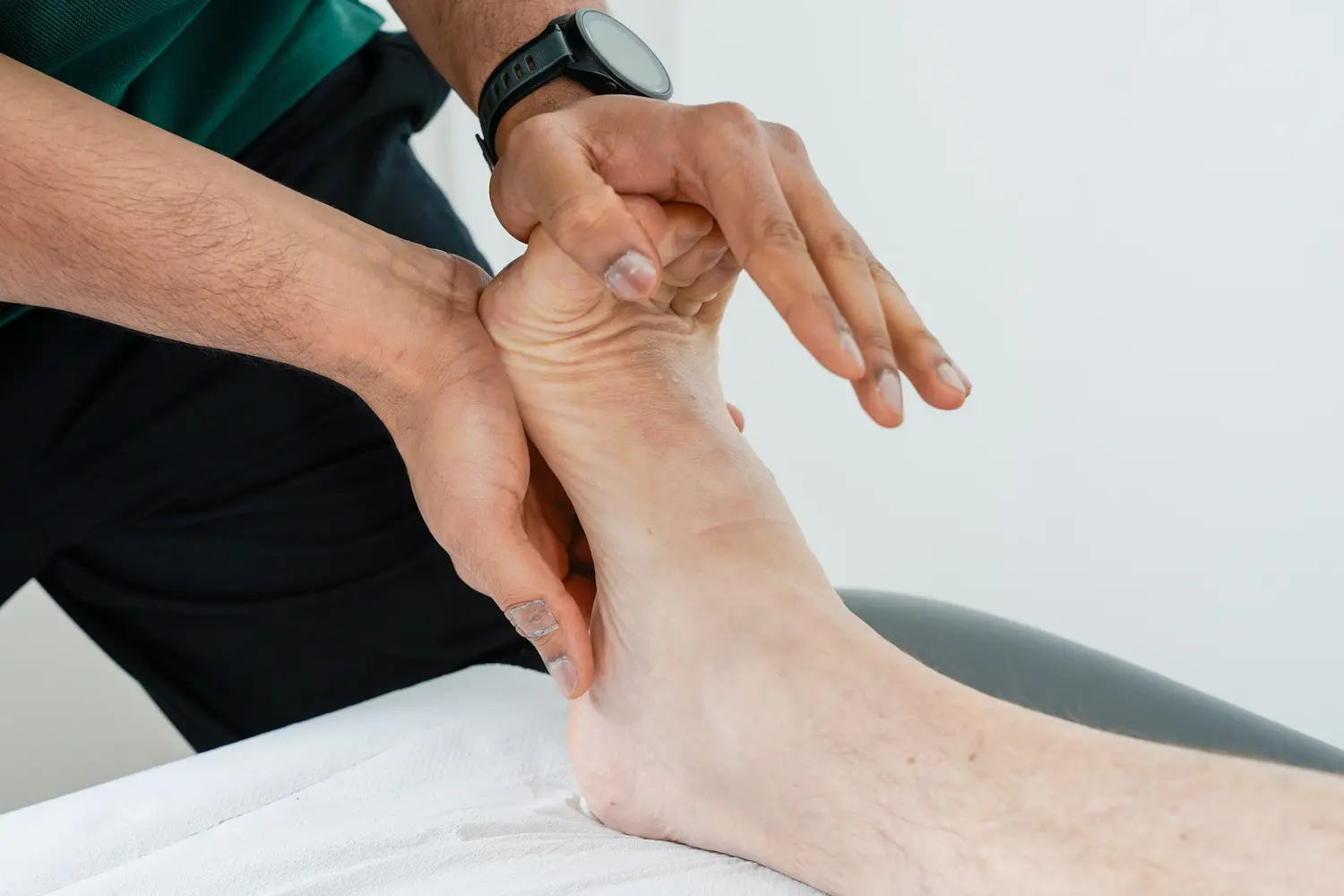
Sports Massage & Hands-On Treatments
Sports Massage & Hands-On Treatments
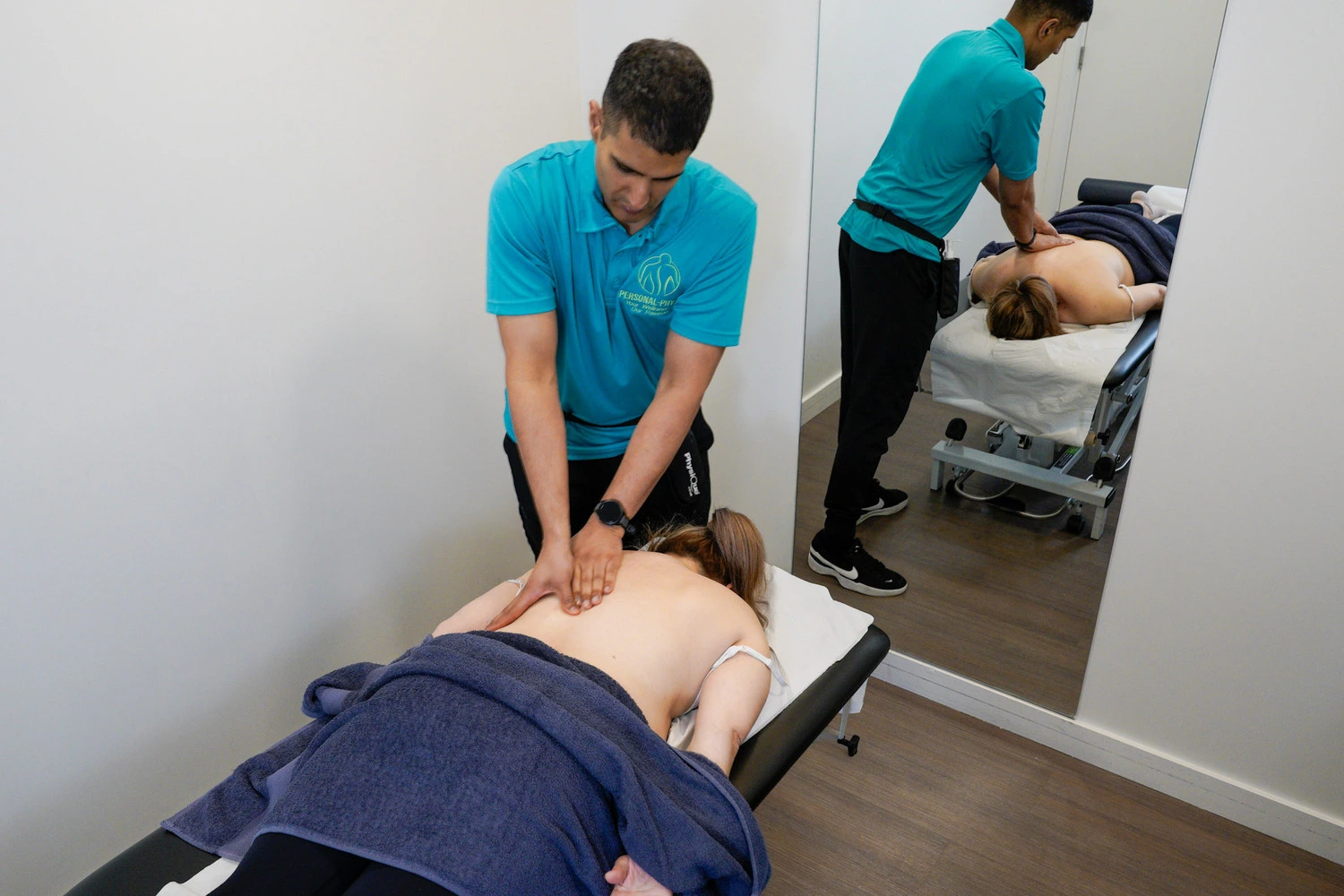
Sports Massage
30 mins
£79
Sports Massage
60 minutes
£115
Sports Massage
90 mins
£149
Acupuncture add-on
+£30
Standalone acupuncture
30 mins
£75
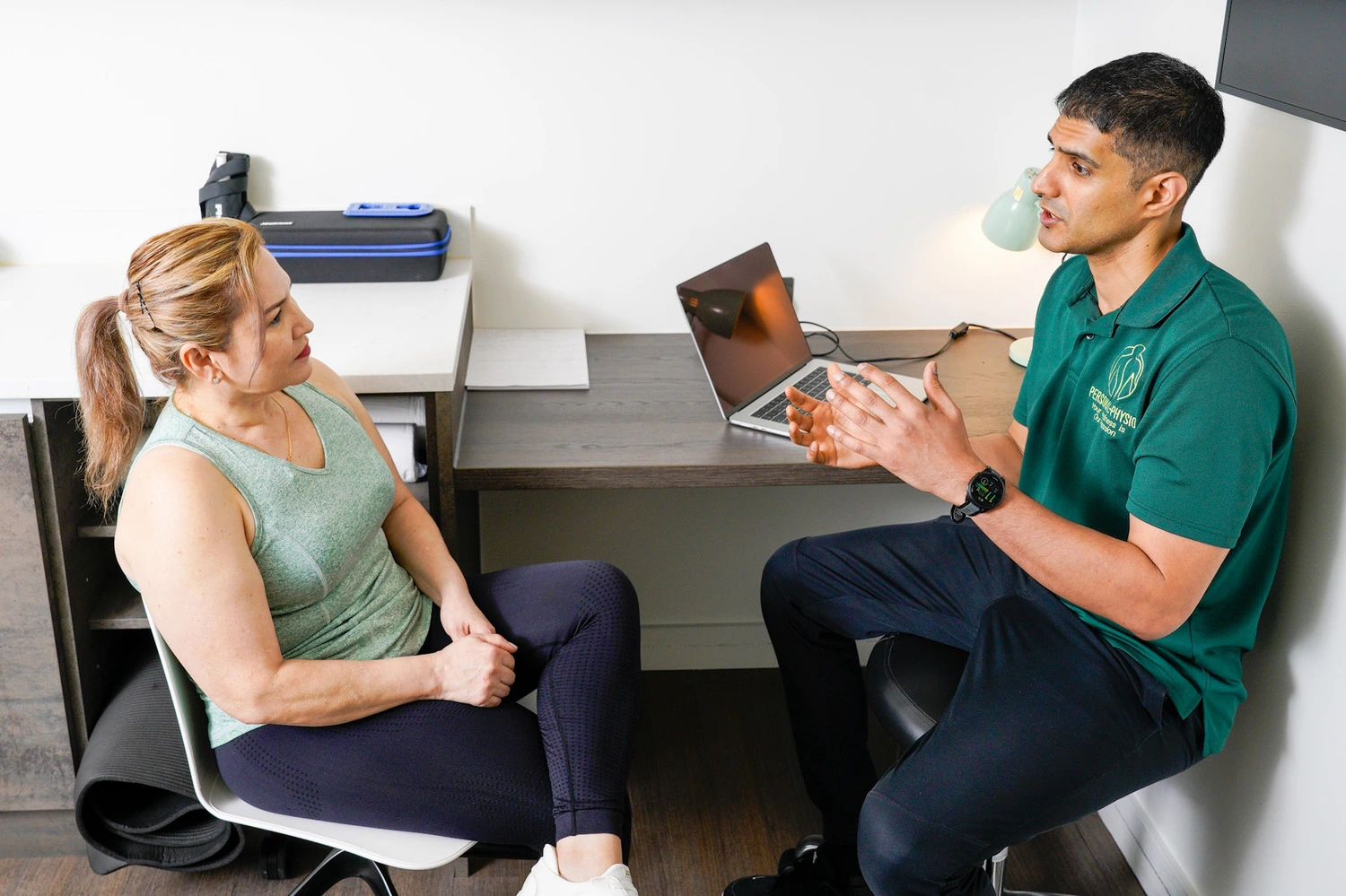
Why Choose Personal-Physio
All treatments are delivered by a qualified physiotherapist with a strong understanding of movement and rehabilitation.
This ensures treatment is appropriate, targeted, and aligned with your overall recovery.
Frequently asked questions.
What is hands-on treatment?
Hands-on treatment is a broad term for manual therapy techniques used to help reduce pain, stiffness, muscle tension and movement restriction.
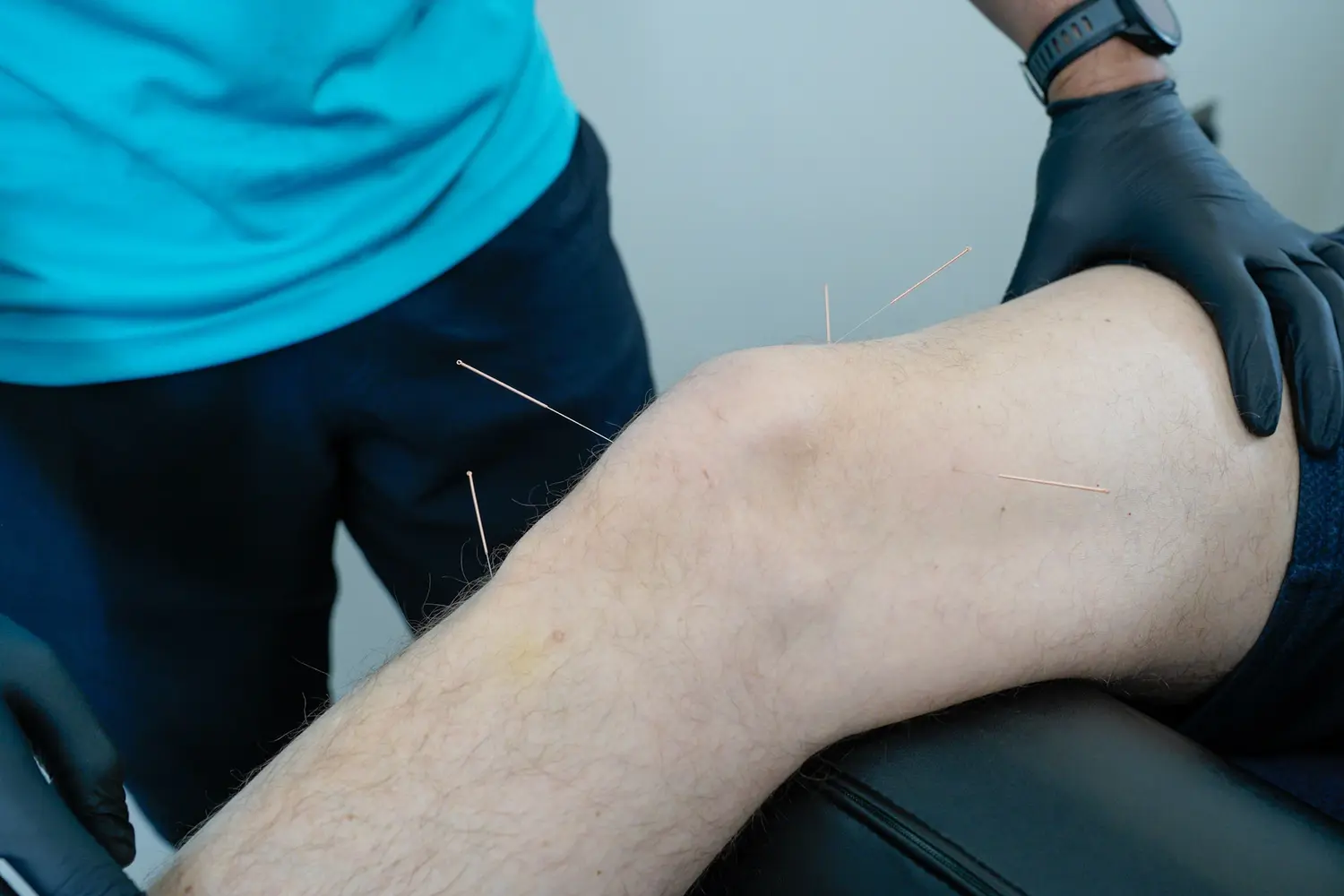
At Personal-Physio, hands-on treatment may include sports massage, soft tissue therapy, joint mobilisation, assisted stretching, acupuncture or dry needling where appropriate. It is used as part of a broader physiotherapy and rehabilitation approach.
What can hands-on treatment help with?
Hands-on treatment can help with muscle tightness, joint stiffness, neck and shoulder tension, back pain, sports-related muscle soreness, reduced mobility, postural discomfort and recovery from training or physical stress.
It may also be useful when pain or stiffness is limiting your ability to move comfortably, exercise or progress with rehabilitation.
Is hands-on treatment the same as sports massage?
Sports massage can be part of hands-on treatment, but hands-on treatment is broader.
Depending on your needs, a session may include sports massage, soft tissue release, joint mobilisation, assisted stretching, acupuncture, dry needling, movement advice or rehabilitation exercises. The exact approach is based on your symptoms, goals and assessment findings.
Can hands-on treatment help with back and neck pain?
Yes. Hands-on treatment can be helpful for many people with back or neck pain, particularly where there is muscle tension, stiffness, guarding or discomfort with movement.
Treatment may help reduce symptoms and improve comfort, but longer-term improvement often requires a combination of movement, strengthening, posture tolerance, load management and rehabilitation.
What is assisted stretching?
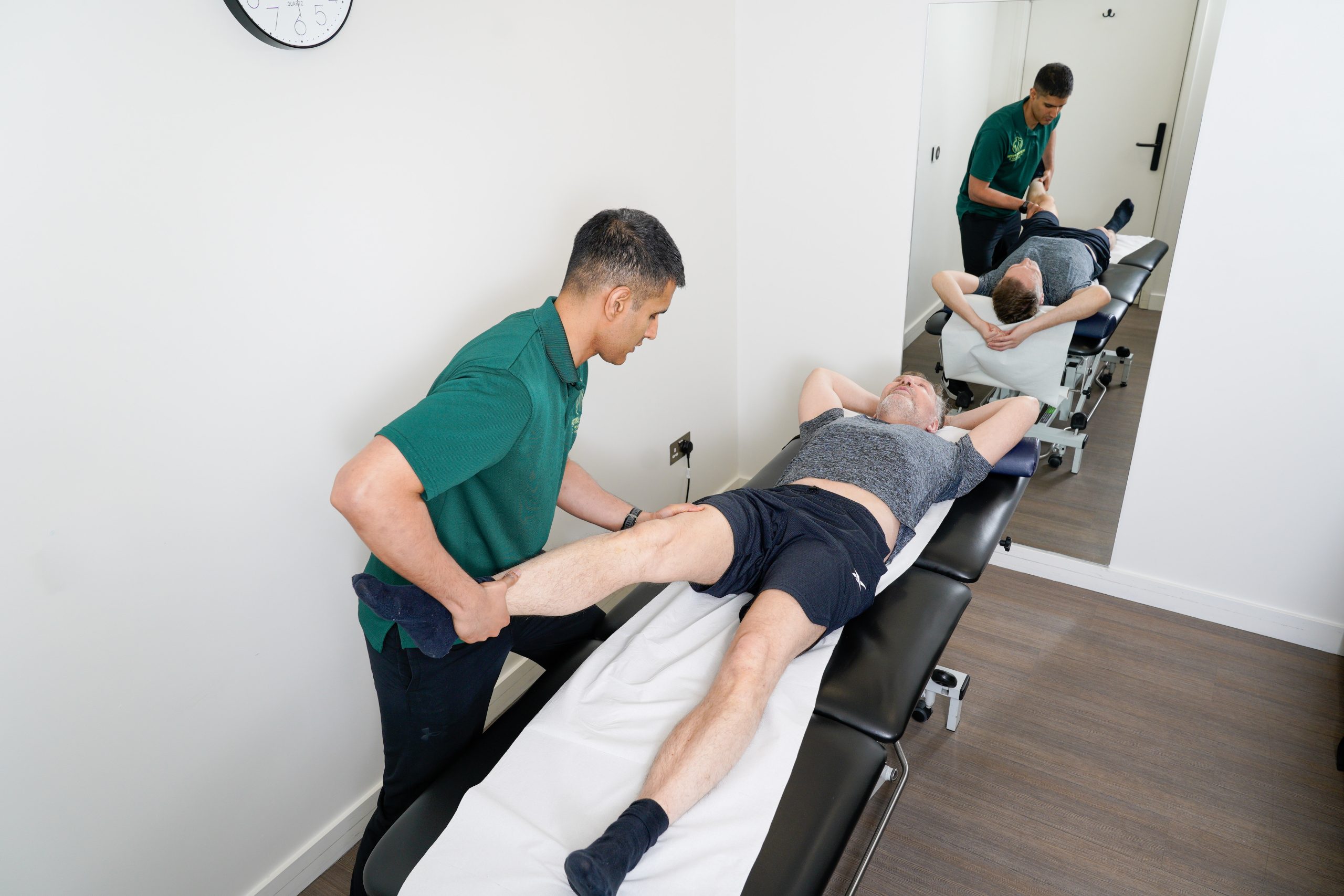
Assisted stretching involves the therapist guiding your body through specific stretches to help improve comfort, mobility and movement confidence.
It can be useful where stiffness, muscle tension or restricted movement is limiting your ability to move freely. At Personal-Physio, assisted stretching is used carefully and is matched to your symptoms, flexibility, training history and goals.
Is assisted stretching better than stretching on my own?
Not necessarily. Assisted stretching can help you access positions more comfortably, relax into movement and understand where restrictions may be coming from.
However, it should not replace active movement, strengthening or long-term mobility work. The best approach usually combines hands-on treatment, guided mobility and exercises you can continue independently.
Can hands-on treatment help with sports recovery?
Yes. Hands-on treatment can be useful for sports recovery, especially where training has led to muscle soreness, stiffness, heaviness or reduced movement comfort.
For athletes, gym-goers and active adults, it can support recovery and help maintain training consistency. Where there is an injury, it is usually combined with rehabilitation and progressive loading.
Does hands-on treatment hurt?
Hands-on treatment should not feel unnecessarily painful. Some techniques may feel firm or intense, especially around sensitive or tight areas, but treatment should always be adjusted to your comfort and tolerance.
The aim is to reduce symptoms and improve movement, not to force the body through excessive discomfort.
How often should I have hands-on treatment?
This depends on your symptoms, training load, work demands, stress levels and goals.
Some people benefit from occasional sessions for maintenance or recovery, while others may need a short block of treatment alongside rehabilitation if symptoms are more persistent or recurring. Your physiotherapist will guide you based on your presentation.
Will I be given exercises as well?
Where appropriate, yes. Hands-on treatment often works best when supported by simple exercises, mobility work or strengthening.
This helps carry the improvements into daily life, work, training or sport, rather than relying only on temporary symptom relief.
Is hands-on treatment suitable if I sit at a desk all day?
Yes. Desk-based work can contribute to neck, shoulder and back tension, stiffness and reduced movement variety.
Hands-on treatment may help reduce muscle tension and improve comfort, while advice and exercises can help you build better tolerance to sitting, screen work and long working days.
What makes Personal-Physio different for hands-on treatment?
Personal-Physio combines hands-on treatment with clinical assessment, rehabilitation and strength-based guidance. The aim is not just to provide temporary relief, but to understand why symptoms are occurring and help you move, train and function better over time.
Sessions are personalised and may include sports massage, soft tissue therapy, joint mobilisation, assisted stretching, acupuncture or dry needling where clinically appropriate.
Ready to fix the problem?
Book your session or get in touch to find the most suitable treatment for you.