
Knee Pain Physiotherapy Central London
Fix the Cause. Restore Movement. Stay Pain-Free.
Introduction
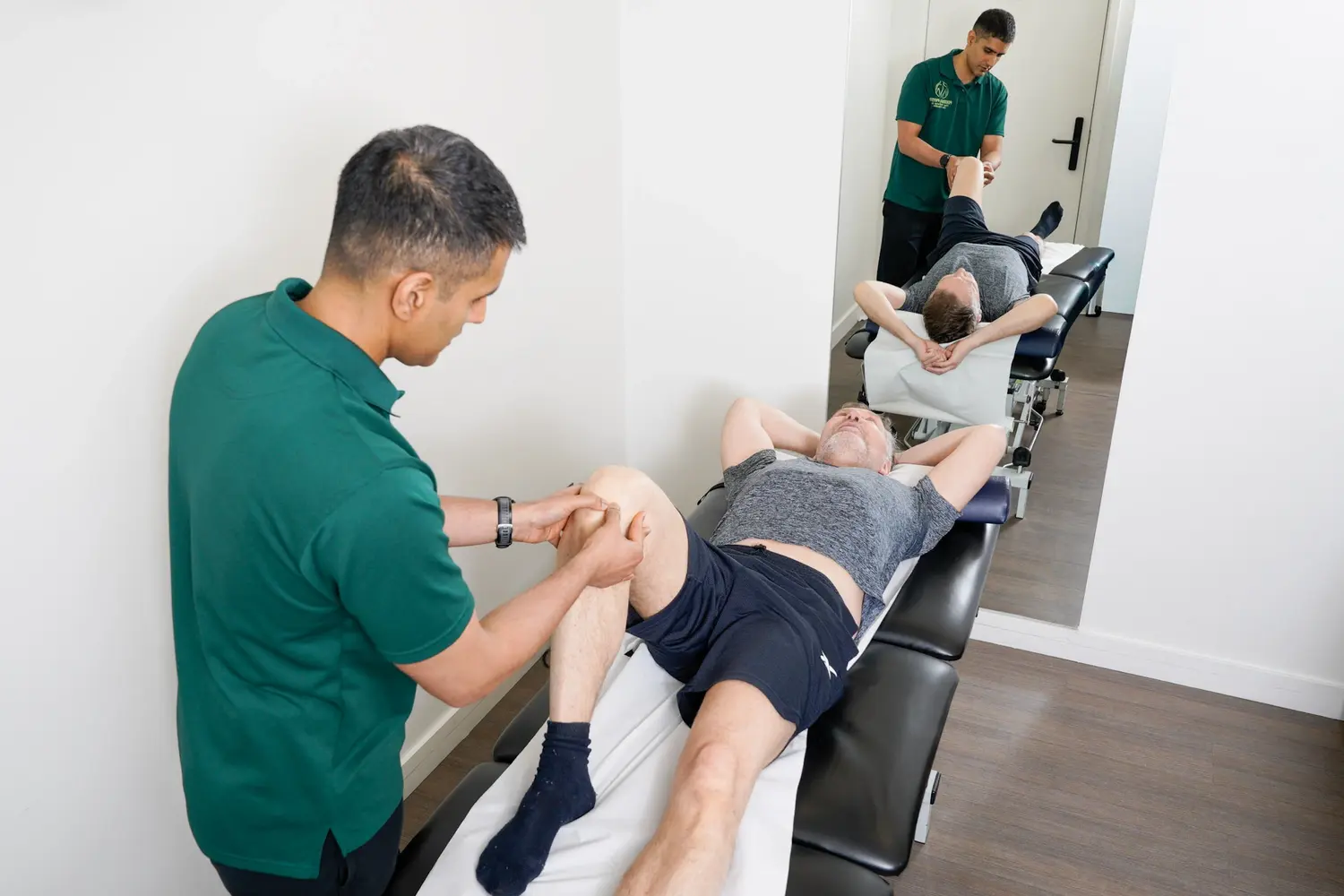
Walking, climbing stairs, or even standing up from a chair can start to feel different when the knee isn’t moving comfortably. Many people first notice a dull ache, stiffness, or a sense that the knee is not supporting them the way it normally should.
Daily activities like walking short distances, using stairs, or staying active for longer periods can start to feel more demanding. Some people also notice reduced confidence when putting weight through the leg.
This usually develops due to repeated stress on the knee joint, muscle imbalance, or changes in how the leg manages load during movement. Without attention, normal mobility and routine activity can become increasingly difficult.
Physiotherapy focuses on identifying what is driving the issue — not just the symptoms — and guiding recovery through a structured, movement-based approach.
Knee pain physiotherapy helps reduce pain, improve stability, and restore normal movement by addressing the underlying cause.
How Knee Pain Affects Movement
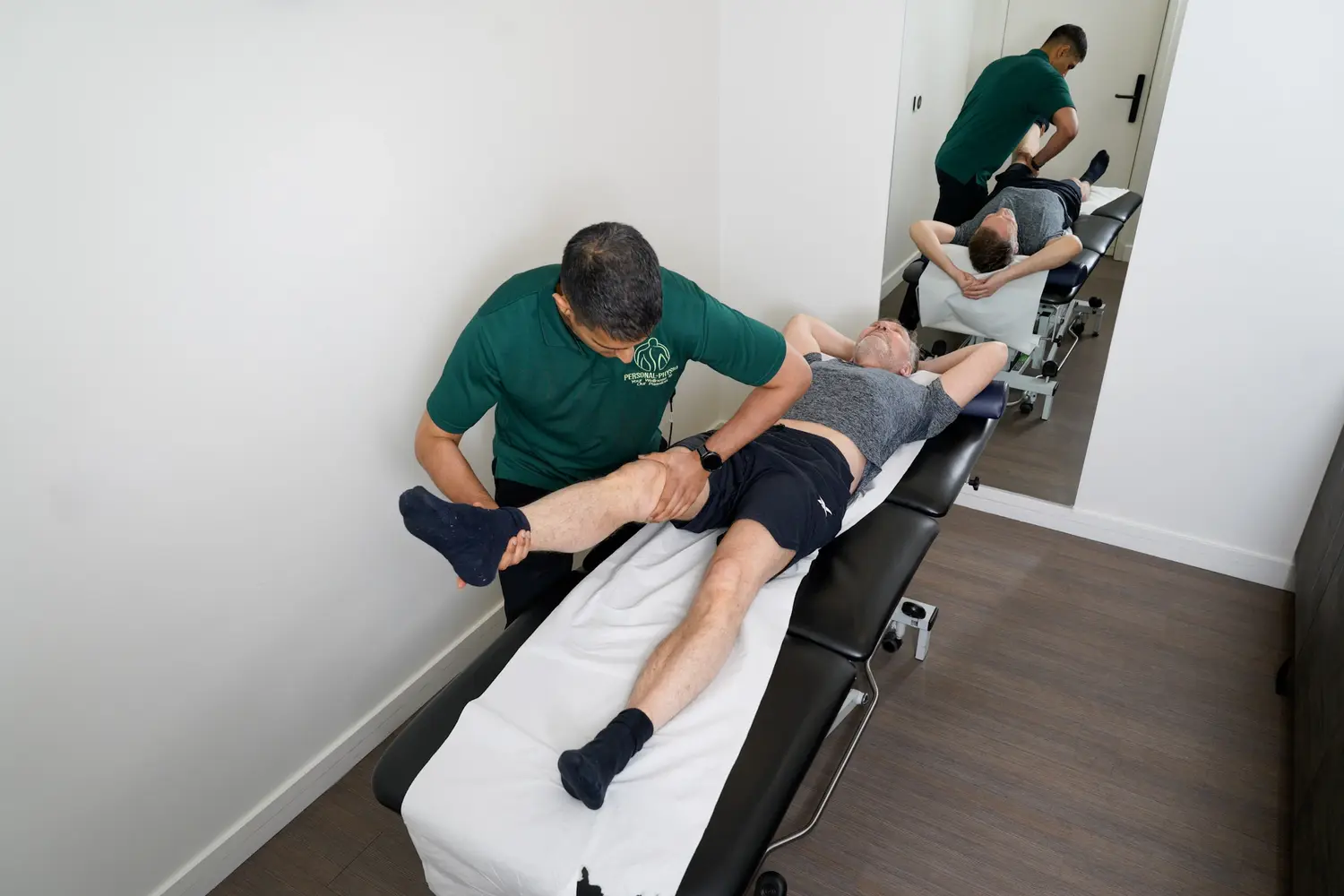
Most knee issues tend to appear during daily movement rather than when resting.
Walking starts to feel heavier or less smooth
Going upstairs or downstairs becomes uncomfortable
Standing up after sitting can feel stiff
The knee may feel weak during weight-bearing
Activities like squatting or bending feel restricted
With continued strain, people often change the way they move without realising it, which can gradually affect balance, strength, and overall control of movement.
When to Seek Physiotherapy for Knee Pain
When knee discomfort doesn’t settle after a few days or keeps returning during daily activity, it usually indicates that the joint is under more stress than it can handle alone.
If you find yourself avoiding stairs, slowing down while walking, or feeling unsure while putting weight on the leg, it’s a sign that the knee needs proper assessment.
Catching it early often makes recovery simpler and helps restore normal movement sooner.
Clinical Services
How Physiotherapy Treats Knee Pain
Knee pain management focuses on understanding joint mechanics, load tolerance, and how the surrounding muscles support movement.
Detailed Assessment
Treatment starts by understanding how your knee behaves during actual movement, not just where the discomfort is felt. Every step, bend, or load through the joint gives important information about what’s happening.
Targeted Treatment
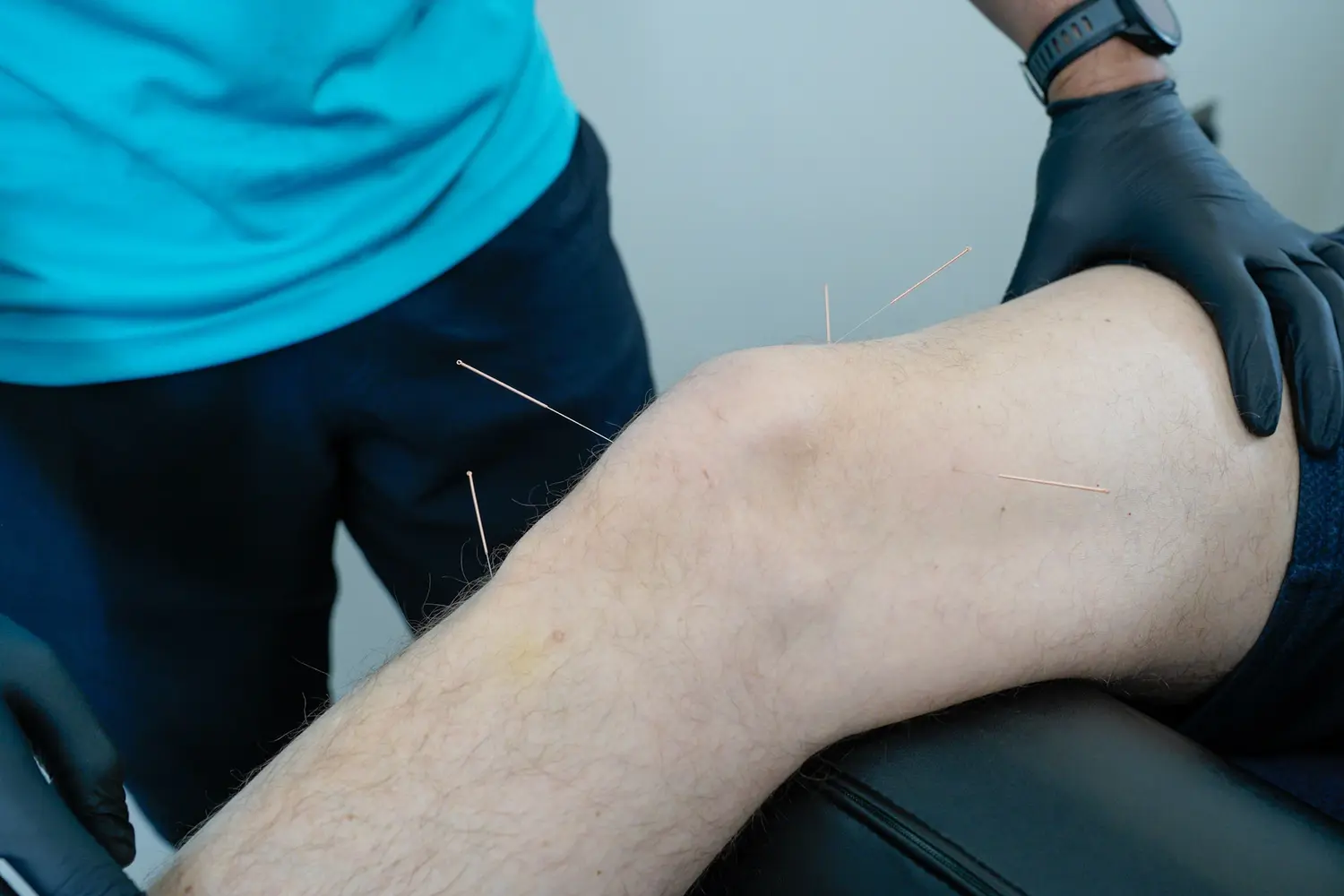
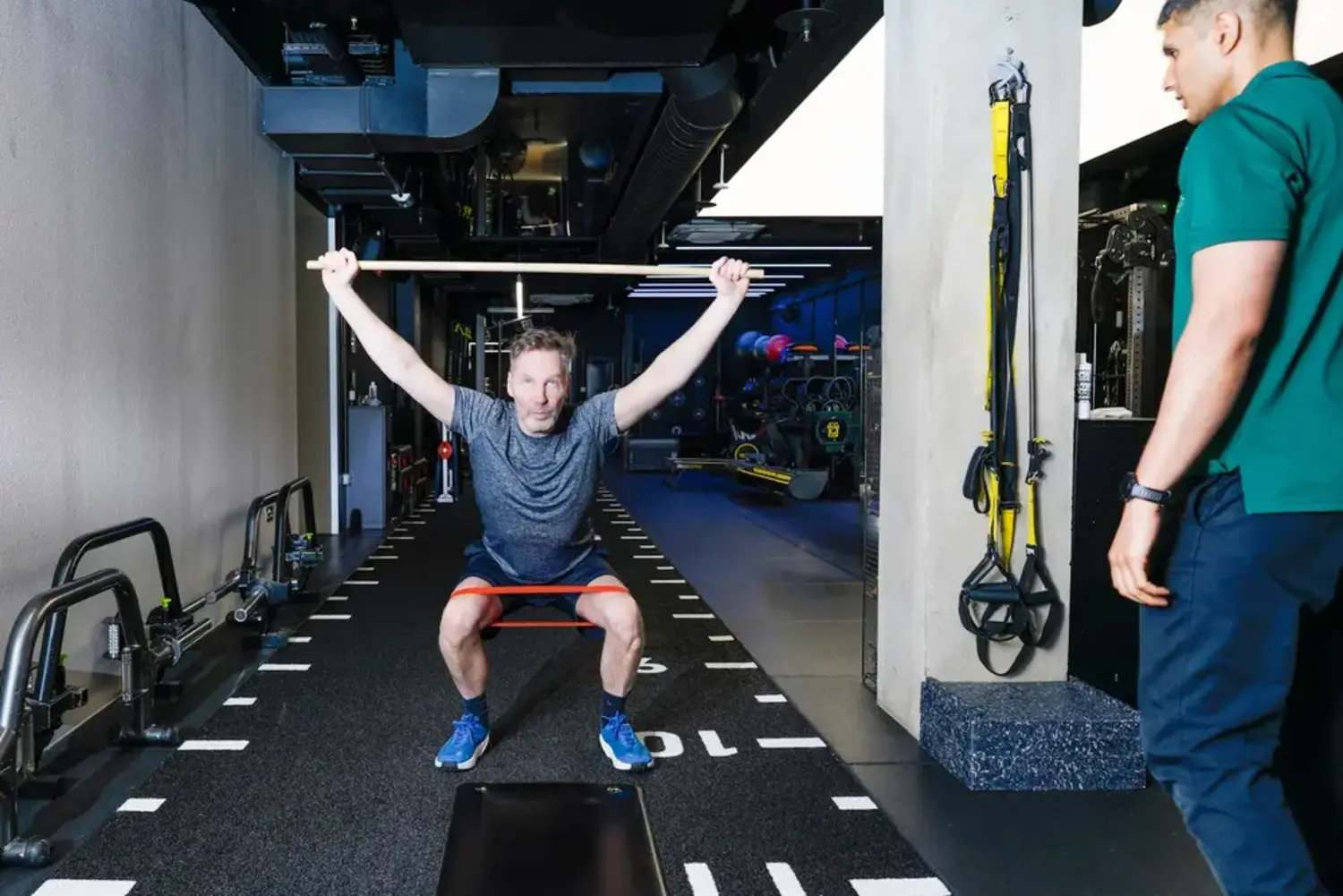
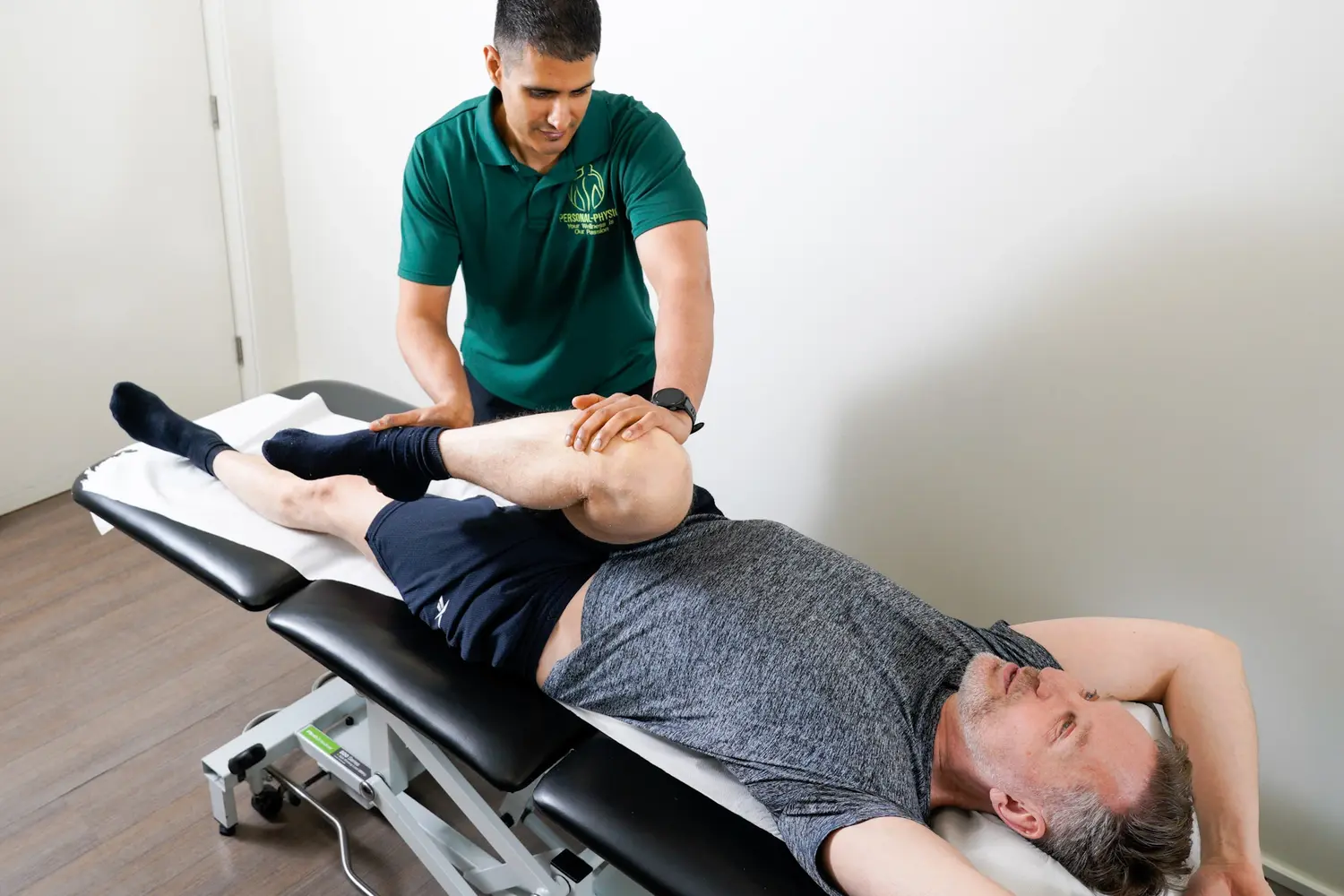
From there, treatment may include hands-on techniques to ease tightness and improve joint movement, along with exercises that rebuild strength and stability around the knee. You’ll also learn how to move in ways that reduce unnecessary stress on the joint.
Guidance & Education
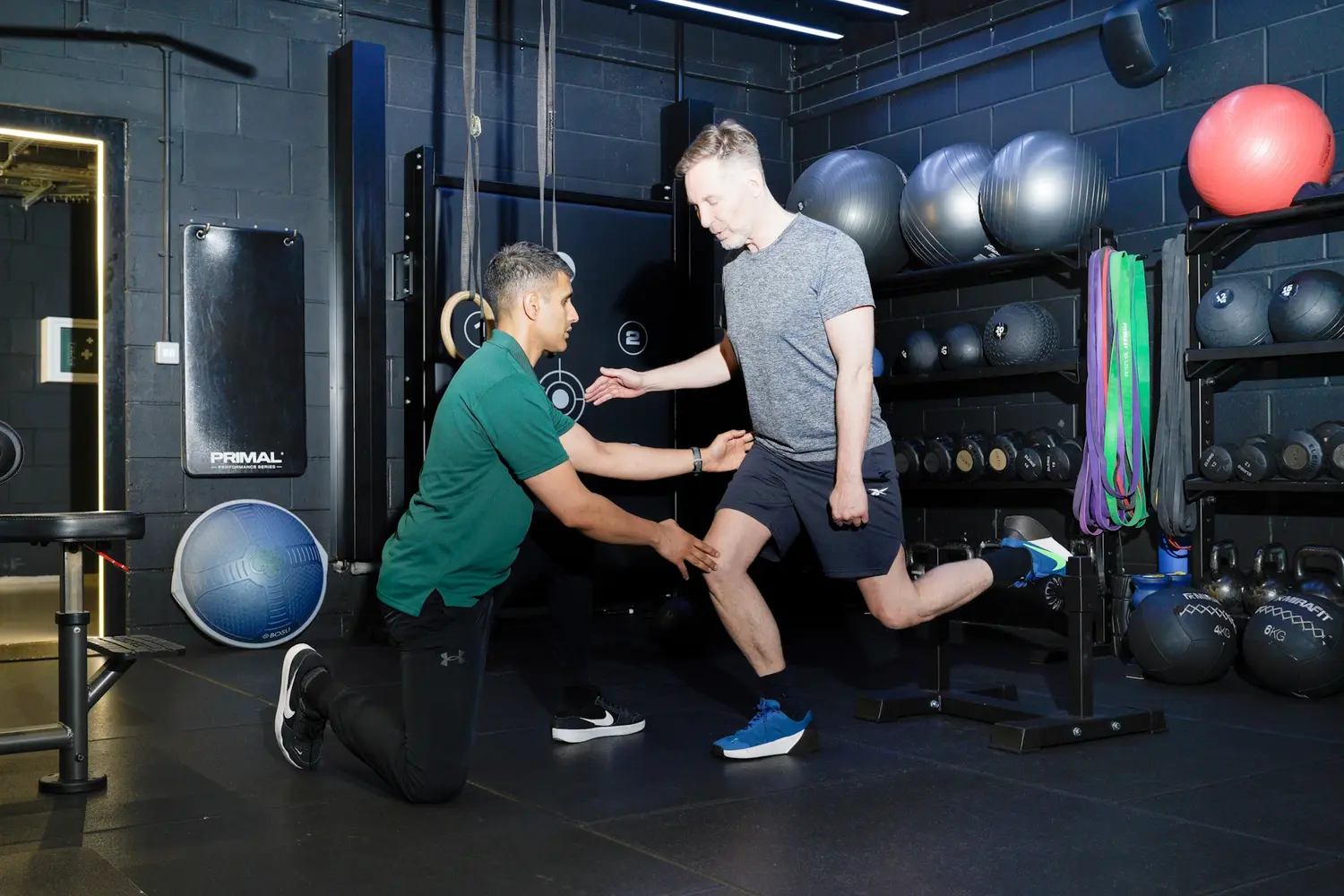
With improvement in movement, the focus shifts towards rebuilding confidence in walking, stairs, and daily activity so the knee can handle normal load without hesitation.
Progressive Rehabilitation
The aim is not just to reduce symptoms, but to improve how the knee functions in real life over time.
Most treatment focuses on short-term relief — this approach focuses on improving how the knee moves and handles load over time.
Conditions Covered
Each condition is managed based on how it impacts everyday movement and function.
ACL rehabilitation / post-ACL reconstruction
Patellar tendinopathy (jumper’s knee)
IT band-related knee pain
Post-surgical knee rehabilitation
Early-stage osteoarthritis
Expected Outcomes
With ongoing treatment, changes people usually notice include:
- Movement feels smoother and more comfortable
- Walking and stairs become easier
- Better strength and control around the knee
- More confidence during daily activities
- Gradual return to normal routine
Progress varies based on how the knee responds and how long the issue has been present.
Client Results
What clients are saying.
~ M Demetriades
“Excellent work on my knee by Samir Farouk three massage and five workouts in the gym and my knee is much better. Will have no problem in recommending Boost Physio. Am very happy with the treatment”
~ M Chadwick
“I would recommend Samir to everyone! I’ve been seeing him for about a year, after suffering from long-term knee issues as a result of playing football for years. His assessments and gym sessions have significantly helped my injury and I no longer have the same pain in my knees as I have done for years. Each session is carefully thought out and tailored to what I need. He’s also able to adapt his sessions at short notice when I sustain new injuries. He’s helped me build confidence in my strength training and I’ve never felt stronger because of it!”
~ Marc V
“I can’t recommend Samir highly enough! I have been suffering from knee and shoulder injuries which have improved significantly. Each session is tailored specifically to my needs, intense, and I get monitored on my movement when I am doing the exercises which makes a big difference compared to other physio I received. Samir is determined to see me improve, highly knowledgeable and patient focused.”
Why Choose Personal-Physio
Treatment is guided by a clear, structured plan based on how your body moves — not just where the pain is.
It combines hands-on physiotherapy with progressive rehabilitation in a high-quality training environment in Central London.
The focus is on restoring movement, improving strength and control, and supporting long-term recovery rather than short-term relief.
Frequently asked questions.
What types of knee pain can physiotherapy help with?
Physiotherapy can help with many types of knee pain, including pain around the kneecap, tendon pain, meniscus-related symptoms, ligament sprains, osteoarthritis-related knee pain, running injuries, gym-related overload, and pain during stairs, squats or sport.
At Personal-Physio, the aim is to understand what is contributing to your knee pain and create a clear plan to reduce symptoms, restore movement, rebuild strength and improve confidence.
What happens during a knee pain physiotherapy assessment?
Your assessment will usually include a detailed discussion about your symptoms, activity levels, training history, injury mechanism, previous knee problems and goals.
We then assess knee movement, swelling, strength, balance, walking, squatting, stairs and any relevant hip, ankle or foot factors. Where appropriate, we may also use strength testing or gym-based movement assessment to better understand what your knee needs to tolerate.
Do I need an MRI or scan before starting physiotherapy for knee pain?
Not always. Many knee problems can be assessed clinically without needing a scan straight away.
Imaging may be useful if there has been significant trauma, persistent swelling, locking, instability, severe pain, or if symptoms are not improving as expected. If further investigation or medical review is appropriate, this will be discussed during your assessment.
How do I know if my knee pain is serious?
You should seek medical advice if your knee pain follows a significant injury, if you cannot bear weight, if the knee is very swollen, locked, giving way repeatedly, hot and red, or if you have severe pain that is not settling.
These symptoms do not always mean something serious, but they should be assessed properly before continuing with exercise or rehabilitation.
Can physiotherapy help knee pain going up and down stairs?
Yes. Pain on stairs is a common reason people seek physiotherapy. It may be linked to irritation around the kneecap, reduced quadriceps strength, tendon overload, joint sensitivity, hip control, or a change in how the knee is tolerating load.
Treatment usually involves reducing symptoms, improving movement confidence, and progressively rebuilding strength so the knee can tolerate stairs, squats and daily activity again.
Can physiotherapy help runner’s knee?
Yes. Runner’s knee, often linked with pain around or behind the kneecap, commonly responds well to a structured rehabilitation plan.
This may include adjusting running load, strengthening the quadriceps and hip muscles, improving movement control, reviewing footwear or training errors where relevant, and gradually rebuilding running tolerance.
Is knee pain always caused by weakness?
Not always. Weakness can be an important factor, but knee pain may also be influenced by training load, recent changes in activity, joint sensitivity, swelling, mobility, tendon capacity, movement habits, previous injuries, recovery and confidence.
A good assessment looks at the full picture rather than blaming one single factor.
Do you offer knee pain physiotherapy at UNTIL Soho?
Yes. Personal-Physio provides knee pain physiotherapy from UNTIL Soho in Central London. Sessions may include assessment, hands-on treatment, rehabilitation, gym-based strengthening, return-to-running support and return-to-sport planning.
Home visit physiotherapy is also available across London where appropriate.
Can physiotherapy help meniscus-related knee pain?
Physiotherapy can often help with meniscus-related knee pain, especially when symptoms are manageable and the knee is not locked.
Rehab usually focuses on reducing irritation, restoring range of movement, improving strength, and gradually rebuilding confidence with bending, squatting, stairs, gym training or sport. If symptoms suggest a locked knee or more significant mechanical problem, medical review may be recommended.
Can physiotherapy help knee ligament injuries?
Yes, physiotherapy plays an important role in many knee ligament injuries, including MCL, ACL, PCL and other sprains.
The approach depends on the ligament involved, the severity of injury, whether surgery is required, and the person’s goals. Rehabilitation usually progresses through stages including swelling control, movement, strength, balance, control, power and return-to-sport preparation.
Can hands-on treatment help knee pain?
Hands-on treatment can be useful for some types of knee pain, particularly where there is stiffness, muscle tension, swelling, guarding or discomfort around the knee, thigh, calf or hip.
At Personal-Physio, hands-on treatment may include soft tissue therapy, sports massage, joint mobilisation, acupuncture or dry needling where appropriate. It is usually combined with rehabilitation and strengthening so that the knee becomes more capable, not just temporarily more comfortable.
Will I need strengthening exercises for knee pain?
In most cases, yes. Strengthening is often a key part of knee rehabilitation because the knee needs to tolerate load during walking, stairs, squatting, running, lifting and sport.
Your exercises may include quadriceps strengthening, hamstring and calf work, glute strengthening, balance, movement control, step work, gym-based exercises or sport-specific progressions depending on your symptoms and goals.
Can I keep training with knee pain?
Often, yes — but your training may need to be modified. The right approach depends on your symptoms, irritability, diagnosis, training history and goals.
Physiotherapy can help you identify what to continue, what to temporarily reduce, and how to rebuild gradually without repeatedly flaring the knee.
How many sessions will I need for knee pain?
This depends on the type of knee problem, how long symptoms have been present, your activity goals, and whether there has been injury, swelling, weakness or instability.
Some short-term overload issues may improve within a few sessions, while more complex knee injuries, post-surgical rehab or return-to-sport goals often require a structured rehabilitation plan over several weeks or months.
What makes Personal-Physio different for knee pain treatment?
Personal-Physio combines detailed assessment, hands-on treatment, rehabilitation and clinical strength & conditioning. The focus is not only on reducing knee pain, but also rebuilding strength, improving movement confidence and helping you return to the activities that matter to you.
The approach is one-to-one, personalised and suitable for active adults, gym-goers, runners, sports participants and people recovering from injury or surgery.
Start addressing the root cause of your knee pain
Book your appointment and start addressing the cause of your knee pain with a clear, structured plan.