Acupuncture & Dry Needling in Soho, Central London
Clinically Informed Treatment for Pain, Muscle Tension and Recovery


Introduction
Acupuncture and dry needling can be useful when pain, muscle tension, stiffness or sensitivity is affecting how you move, train or feel day to day.
At Personal-Physio, acupuncture and dry needling are used as part of a broader physiotherapy and rehabilitation approach. Treatment is guided by your symptoms, medical history, movement assessment and recovery goals.
The aim is to help reduce discomfort, ease muscle tension, improve movement and support your wider recovery plan, not simply to treat symptoms in isolation.
What Is Acupuncture & Dry Needling?
Acupuncture and dry needling both use very fine, sterile, single-use needles to stimulate the body’s tissues and nervous system.
In a physiotherapy setting, they may be used to help manage pain, muscle tension, sensitivity, guarding or stiffness.
Dry needling often focuses on specific areas of muscle tightness or trigger-point sensitivity. Acupuncture may use selected points to help influence pain and muscle tone. The exact approach depends on your assessment and what is clinically appropriate for you.
No medication is injected during dry needling.


What Can It Help With?
Acupuncture and dry needling may be helpful for a range of musculoskeletal symptoms, including:
Neck and Shoulder Tension
Back Pain
Muscle Tightness
Desk-Related Stiffness
Headaches Linked with Neck Tension
Sports-Related Muscle Soreness
Hip, Glute or Calf Tightness
Recurring Aches and Stiffness
Discomfort Limiting Movement or Training
Treatment is always tailored to your presentation and may include hands-on treatment, sports massage, deep tissue massage, assisted stretching, rehabilitation exercises and strength-based progression.
Not sure whether acupuncture or dry needling is suitable?
Each session is structured to give you clarity on your condition and a clear direction for recovery.
A Clinically Guided Approach
At Personal-Physio, acupuncture and dry needling are not used as a standalone quick fix.
They are used where appropriate as part of a wider plan that may include:
- physiotherapy assessment
- hands-on treatment
- soft tissue therapy
- sports and deep tissue massage
- assisted stretching
- movement rehabilitation
- strengthening exercises
- training, work and recovery advice
This helps ensure treatment is connected to your longer-term goals, whether that is reducing pain, returning to training, managing desk-related tension or improving everyday movement.
What to Expect During Treatment
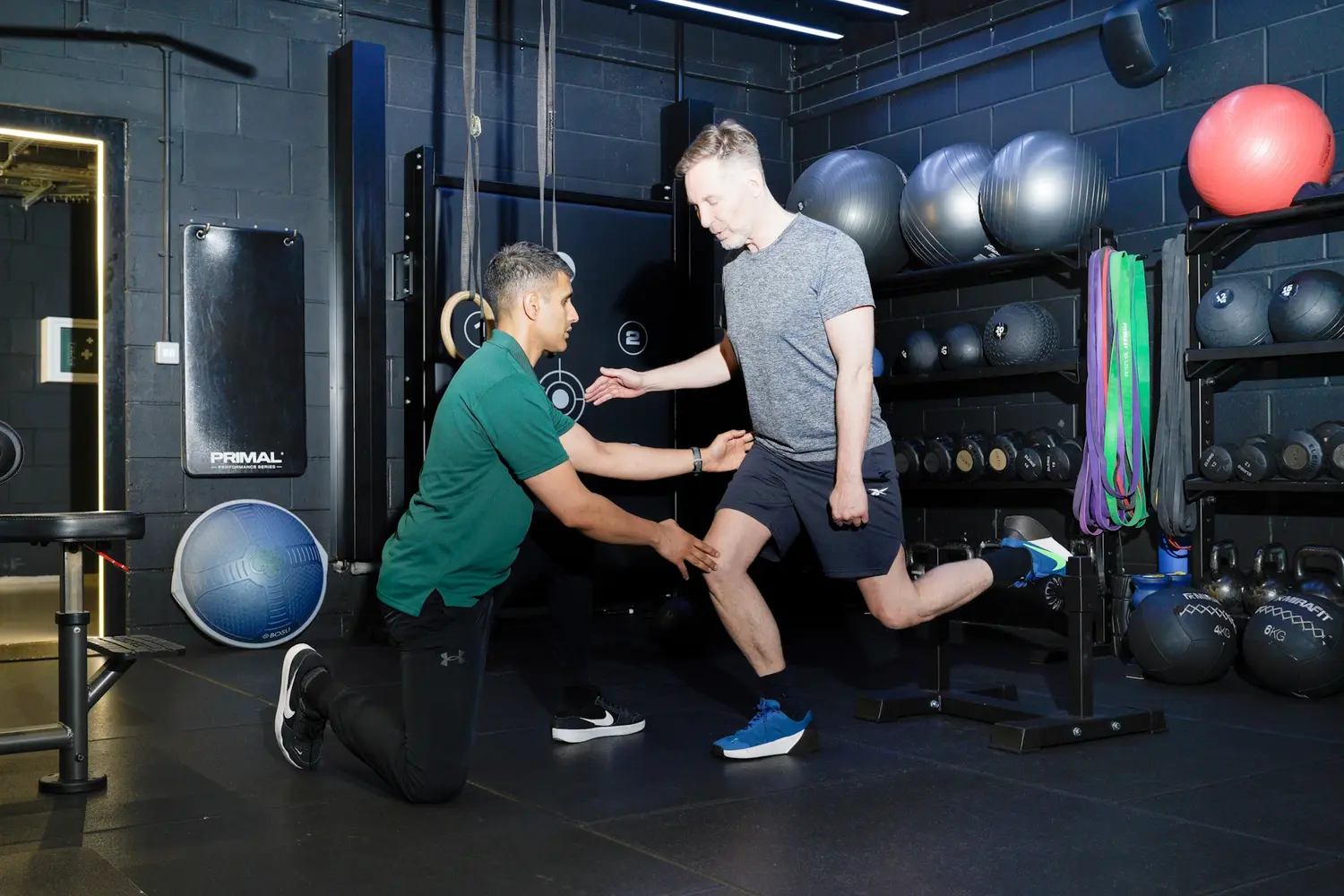
Your session begins with a short discussion about your symptoms, goals, medical history and any previous experience with acupuncture or dry needling.
Before treatment, your physiotherapist will explain whether needling is suitable, which areas may be treated, and what you are likely to feel.
Most people tolerate treatment well. You may feel a mild ache, heaviness, warmth, twitch response or local sensation. Some temporary soreness can occur afterwards, similar to post-exercise soreness, and usually settles quickly.
Treatment is always adjusted to your comfort, and you can stop at any point.
Is Acupuncture & Dry Needling Safe?
Acupuncture and dry needling are generally safe when carried out by an appropriately trained clinician using sterile, single-use needles and proper clinical screening.
Before treatment, you will be asked about relevant medical history, medication, pregnancy, bleeding risk, needle sensitivity, previous reactions and any health conditions that may require extra caution.
If acupuncture or dry needling is not suitable for you, alternative treatment options can be used instead.


When Needling May Not Be Enough
Acupuncture and dry needling can help reduce pain, tension and sensitivity, but they are not always the complete solution.
If symptoms are recurring, worsening, linked with weakness, nerve symptoms, swelling, injury or reduced function, a more detailed physiotherapy assessment and rehabilitation plan may be more appropriate.
At Personal-Physio, you will be guided honestly. If needling is suitable, it can be included. If another approach is more appropriate, this will be explained clearly.
Why Choose Personal-Physio?
Personal-Physio combines acupuncture and dry needling with physiotherapy assessment, hands-on treatment, rehabilitation and strength-based guidance.
This means treatment is more targeted, more individual and better connected to your wider recovery goals.
The approach is:
- clinically informed
- professional
- personalised
- hands-on
- movement-focused
- suitable for active adults and busy professionals
- designed to support comfort, recovery and longer-term physical resilience
Need help deciding the right treatment?
If you are dealing with pain, stiffness or recurring tightness but are unsure whether you need acupuncture, dry needling, massage, physiotherapy or rehabilitation, we can help you choose the most suitable starting point.
Frequently asked questions.
What is physiotherapy?
Physiotherapy helps assess, treat and rehabilitate pain, injury and movement problems affecting the muscles, joints, nerves and wider musculoskeletal system.
At Personal-Physio, physiotherapy combines detailed assessment, hands-on treatment, rehabilitation and clinical strength & conditioning to help reduce pain, restore movement, rebuild strength and support long-term recovery.
What conditions can physiotherapy help with?
Physiotherapy can help with a wide range of conditions, including back pain, neck pain, shoulder pain, knee pain, hip pain, sciatica, muscle and joint pain, sports injuries, tendon problems, post-surgical rehabilitation, mobility issues and recurring flare-ups.
The aim is not only to treat symptoms, but to understand what may be contributing to the problem and build a clear plan to improve function and confidence.
What happens during a physiotherapy assessment?
Your first session usually includes a detailed discussion about your symptoms, medical history, lifestyle, work demands, training habits and goals.
We then assess movement, strength, mobility, sensitivity, function and any relevant contributing factors. From there, you will receive a clear explanation of the findings and a practical treatment and rehabilitation plan.
Do I need a GP referral to see a physiotherapist?
In most cases, you do not need a GP referral to book physiotherapy privately.
However, some insurance providers may require a GP or consultant referral before authorising treatment, so it is worth checking your policy if you plan to claim through insurance.
Do I need a scan before physiotherapy?
Not usually. Many musculoskeletal problems can be assessed clinically without needing imaging straight away.
If your symptoms suggest that a scan, GP review, consultant opinion or further investigation may be appropriate, this will be discussed during your assessment.
Is physiotherapy just exercises?
No. Exercise is often an important part of physiotherapy, but it is not the whole picture.
At Personal-Physio, treatment may include assessment, education, hands-on treatment, sports massage, joint mobilisation, acupuncture or dry needling where appropriate, movement rehabilitation, strength work and practical advice tailored to your goals.
Can hands-on treatment be part of physiotherapy?
Yes. Hands-on treatment can be a valuable part of physiotherapy, especially where pain, stiffness, muscle tension, guarding or reduced movement are limiting function.
Hands-on treatment may help reduce symptoms and improve comfort, but it is usually most effective when combined with movement advice, rehabilitation and progressive strengthening so that improvements carry over into daily life, training or sport.
How many physiotherapy sessions will I need?
This depends on your condition, how long symptoms have been present, how irritable the problem is, and what you want to return to.
Some short-term issues may improve within a few sessions, while more complex, recurring or post-surgical problems may require a structured rehabilitation plan over several weeks or months. Your physiotherapist will discuss a realistic plan after your assessment.
Can physiotherapy help if my pain keeps coming back?
Yes. Recurring pain often needs more than short-term symptom relief. The aim is to understand why symptoms keep returning and address relevant factors such as strength, mobility, load tolerance, work habits, training errors, previous injuries or movement confidence.
At Personal-Physio, the focus is on helping you move better, build capacity and reduce the likelihood of repeated flare-ups.
Can I keep exercising while having physiotherapy?
Often, yes — but your exercise or training may need to be modified depending on your symptoms.
Physiotherapy can help you understand what is safe to continue, what may need adjusting temporarily, and how to gradually rebuild confidence with gym training, running, sport, lifting or daily activity.
What should I wear to a physiotherapy appointment?
Wear comfortable clothing that allows you to move freely. Depending on the area being assessed, sportswear or clothing that allows access to the relevant body part may be helpful.
For gym-based rehabilitation or strength sessions at UNTIL Soho, trainers and suitable exercise clothing are recommended.
Do you offer physiotherapy at UNTIL Soho?
Yes. Personal-Physio provides physiotherapy from UNTIL Soho in Central London. Sessions may include assessment, hands-on treatment, movement rehabilitation, gym-based strengthening and return-to-activity planning.
Home visit physiotherapy is also available across London where appropriate.
Do you offer home visit physiotherapy?
Yes. Home visit physiotherapy is available across London, depending on location and availability.
Home visits can be useful for post-surgical recovery, mobility issues, older adults, busy professionals, or anyone who finds travelling to clinic difficult.
What makes Personal-Physio different?
Personal-Physio combines clinical physiotherapy, hands-on treatment, rehabilitation and strength & conditioning in a personalised one-to-one setting.
The approach is designed to help you reduce pain, restore movement, rebuild strength and improve confidence — whether your goal is returning to work, training, sport or simply moving better in daily life.
Book Acupuncture & Dry Needling in Soho, Central London
If you are dealing with pain, muscle tension, stiffness or recurring tightness, acupuncture or dry needling may help as part of a clinically guided treatment plan.
Book an acupuncture or dry needling appointment with Personal-Physio in Soho, Central London, or enquire about home visit availability across London.