Sports Physiotherapy in Central London
Physiotherapy focused on injury recovery, improving movement quality, and guiding your return to sport through rehabilitation.
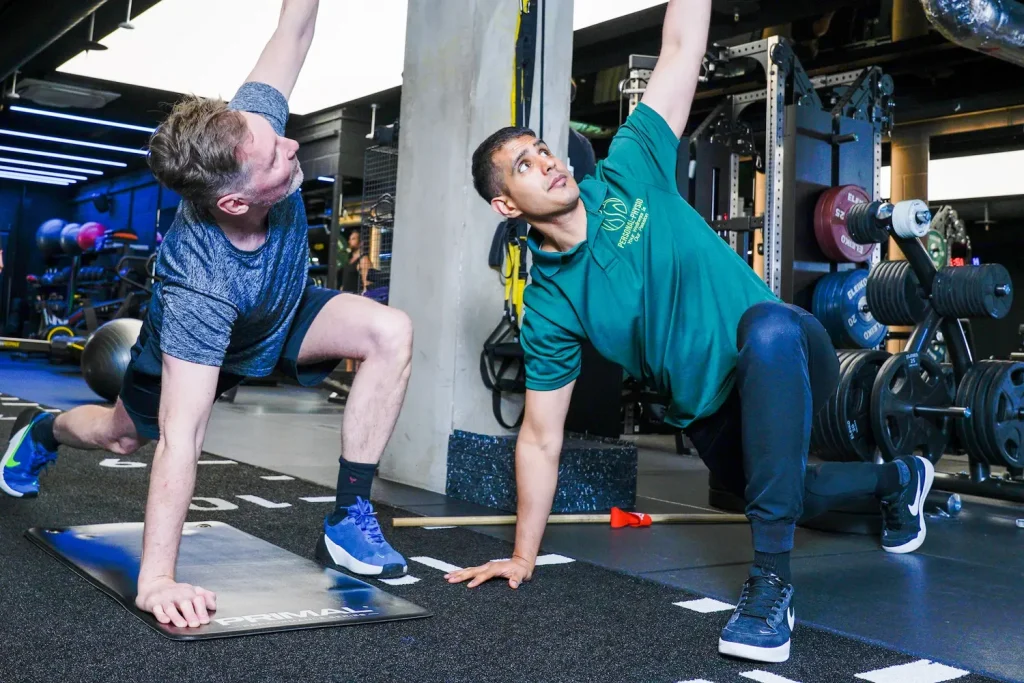

Injury Recovery and Safe Return to Sport Through Physiotherapy
We also focus on reducing the risk of re-injury.
Sports physiotherapy supports recovery from injury and helps you return to training, sport, or activity safely.
Sports Injuries We Treat
We support a wide range of sports-related injuries, including:
Running injuries
Gym injuries
Tendon pain
ACL rehab
Shoulder injuries
Lower back pain (sports related)
Tennis / golf elbow
Signs You Should Start Sports Physiotherapy
You may benefit from physiotherapy if:
- Pain is affecting your training or performance
- You have swelling or reduced movement
- The injury isn’t improving with rest
- You’ve experienced recurring injuries
- You’re unsure when or how to return to activity

Your Rehabilitation Process
Assessment
A detailed evaluation of your injury, movement, and limitations
Diagnosis
Identifying the underlying cause of the issue
Treatment
Hands-on physiotherapy and targeted exercises
Rehabilitation
Recovery focused on strength, movement quality, and return to sport
Treatment and Injury Recovery Plan
Treatment is tailored to your injury and stage of recovery, and may include:
- Hands-on physiotherapy and manual therapy
- Movement correction and technique work
- Strength and mobility exercises
- Progressive rehabilitation planning
The focus is on guiding you through each stage of recovery rather than rushing back too early.


Returning to Sport Safely
Returning to sport is not just about being pain-free.
Physiotherapy focuses on:
- Gradual return to activity
- Rebuilding strength and control
- Improving movement quality
- Reducing the risk of re-injury
Accessing Sports Physiotherapy in Central London
Sports physiotherapy sessions are available at our Central London clinic or via home visits, depending on your needs.
Both options provide the same structured, one-to-one physiotherapy approach.

Our Approach to Sports Injury Recovery
Personalised rehabilitation plans
One-to-one physiotherapy sessions
Structured progression based on your recovery
Focus on long-term performance and injury prevention
Frequently asked questions.
What is sports physiotherapy?
Sports physiotherapy is the assessment, treatment and rehabilitation of injuries related to sport, training and physical activity. It focuses not only on reducing pain, but also restoring movement, rebuilding strength, improving confidence and helping you return safely to the demands of your sport.
At Personal-Physio, sports physiotherapy combines hands-on treatment, rehabilitation and clinical strength & conditioning to support long-term recovery and performance.
What sports injuries can physiotherapy help with?
Sports physiotherapy can help with a wide range of injuries, including muscle strains, tendon pain, ligament sprains, knee injuries, ankle injuries, shoulder pain, running injuries, lower back pain, hip pain, gym-related overload and recurring niggles.
The approach depends on the injury, the sport, your current symptoms, training history and what you need to return to.
Do I need a scan before seeing a sports physiotherapist?
Not always. Many sports injuries can be assessed clinically through a detailed history, movement assessment, strength testing and specific clinical tests.
If your injury involves significant trauma, severe swelling, inability to bear weight, suspected fracture, major instability, or symptoms that are not improving as expected, imaging or medical referral may be recommended.
What happens during a sports physiotherapy assessment?
Your assessment will usually include a discussion about how the injury happened, your sport or training routine, pain behaviour, previous injuries, current limitations and return-to-sport goals.
We then assess movement, strength, mobility, balance, control, load tolerance and sport-specific tasks where appropriate. The aim is to understand what your body currently tolerates and what needs to improve before you fully return.
Can sports physiotherapy help me return to sport safely?
Yes. Return to sport should usually be based on more than just pain settling. You may need to rebuild strength, control, power, confidence, conditioning and sport-specific capacity before returning fully.
At Personal-Physio, rehabilitation is progressed in stages so your body is exposed gradually to the demands of running, lifting, cutting, jumping, contact, or sport-specific movement depending on your goals.
Is feeling pain-free enough to return to sport?
Not always. Pain-free movement is important, but it does not automatically mean the injured area is strong, powerful, conditioned or ready for the speed and intensity of sport.
A good return-to-sport plan considers strength, movement quality, confidence, load tolerance, fatigue, sport-specific drills and how your body responds to progressive training.
Can I keep training while injured?
Often, yes — but your training may need to be modified. The right approach depends on the injury, irritability, sport demands and how symptoms respond to load.
Physiotherapy can help you identify what you can continue safely, what should be temporarily reduced, and how to maintain fitness while protecting recovery.
Can hands-on treatment help sports injuries?
Yes. Hands-on treatment can help reduce pain, muscle tension, stiffness and guarding, and may help you move more comfortably during the early or irritable stages of an injury.
At Personal-Physio, hands-on treatment may include soft tissue therapy, sports massage, joint mobilisation, acupuncture or dry needling where appropriate. It is usually combined with progressive rehabilitation so improvements carry over into training and sport.
Will I need strengthening exercises?
In most cases, yes. Strengthening is often a key part of sports injury rehabilitation because sport places high demands on muscles, tendons, joints and connective tissues.
Your programme may include gym-based strengthening, balance and control work, mobility, plyometrics, running progressions, change-of-direction drills or sport-specific exercises depending on your injury and goals.
How long does sports injury rehabilitation take?
This depends on the injury, severity, sport, training demands and whether the problem is acute, recurring or post-surgical.
Some minor injuries may improve within a few sessions, while tendon injuries, ligament injuries, muscle tears, post-surgical rehab or return-to-sport goals may require a structured plan over several weeks or months.
Can sports physiotherapy help recurring injuries?
Yes. Recurring injuries often happen when the original issue has settled symptomatically but strength, load tolerance, movement control or sport-specific capacity have not been fully restored.
Sports physiotherapy can help identify why symptoms keep returning and build a more complete plan to reduce recurrence and improve long-term performance.
Do you offer sports physiotherapy at UNTIL Soho?
Yes. Personal-Physio provides sports physiotherapy from UNTIL Soho in Central London. The clinic setting allows for assessment, hands-on treatment, gym-based rehabilitation, strength work and return-to-sport progressions.
Home visit physiotherapy is also available across London where appropriate, although later-stage sports rehabilitation is often best carried out in the clinic/gym setting.
Book Your Sports Physiotherapy Session
Start your recovery and return to activity with a structured physiotherapy plan.