
Muscle and Joint Pain Physiotherapy
Identify the cause of your pain. Reduce symptoms and rebuild strength with a structured plan.
Muscle and joint pain can limit how you move, train, and work — whether it develops gradually or follows an injury.
Our approach focuses on identifying the root cause and guiding your recovery through structured, one-to-one physiotherapy.
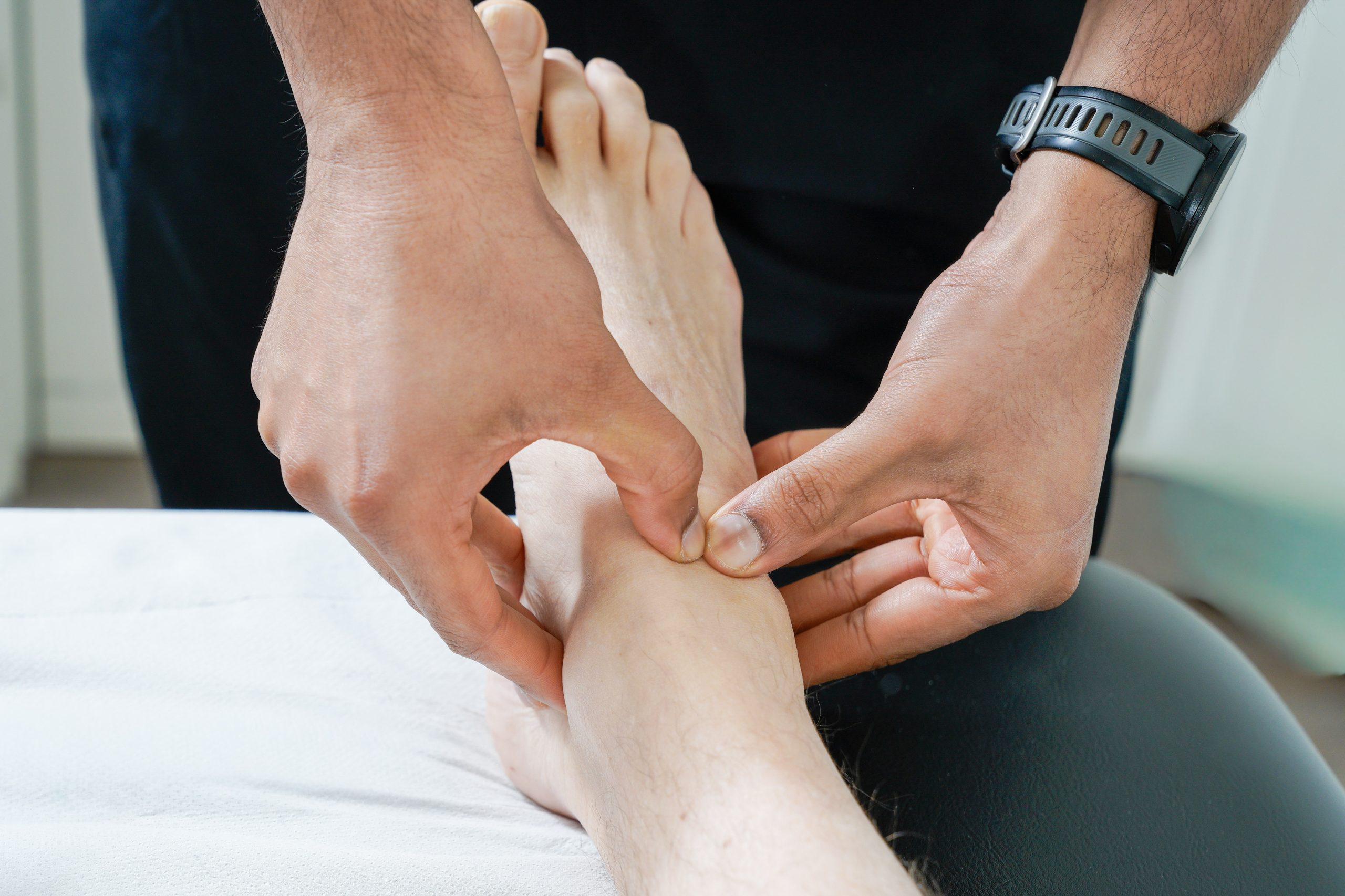
Introduction
Muscle and joint pain can affect how you move, work, and train — whether it comes on gradually or follows an injury.
Rather than just managing symptoms, physiotherapy focuses on identifying what is driving your pain and addressing it through a structured, movement-based approach.
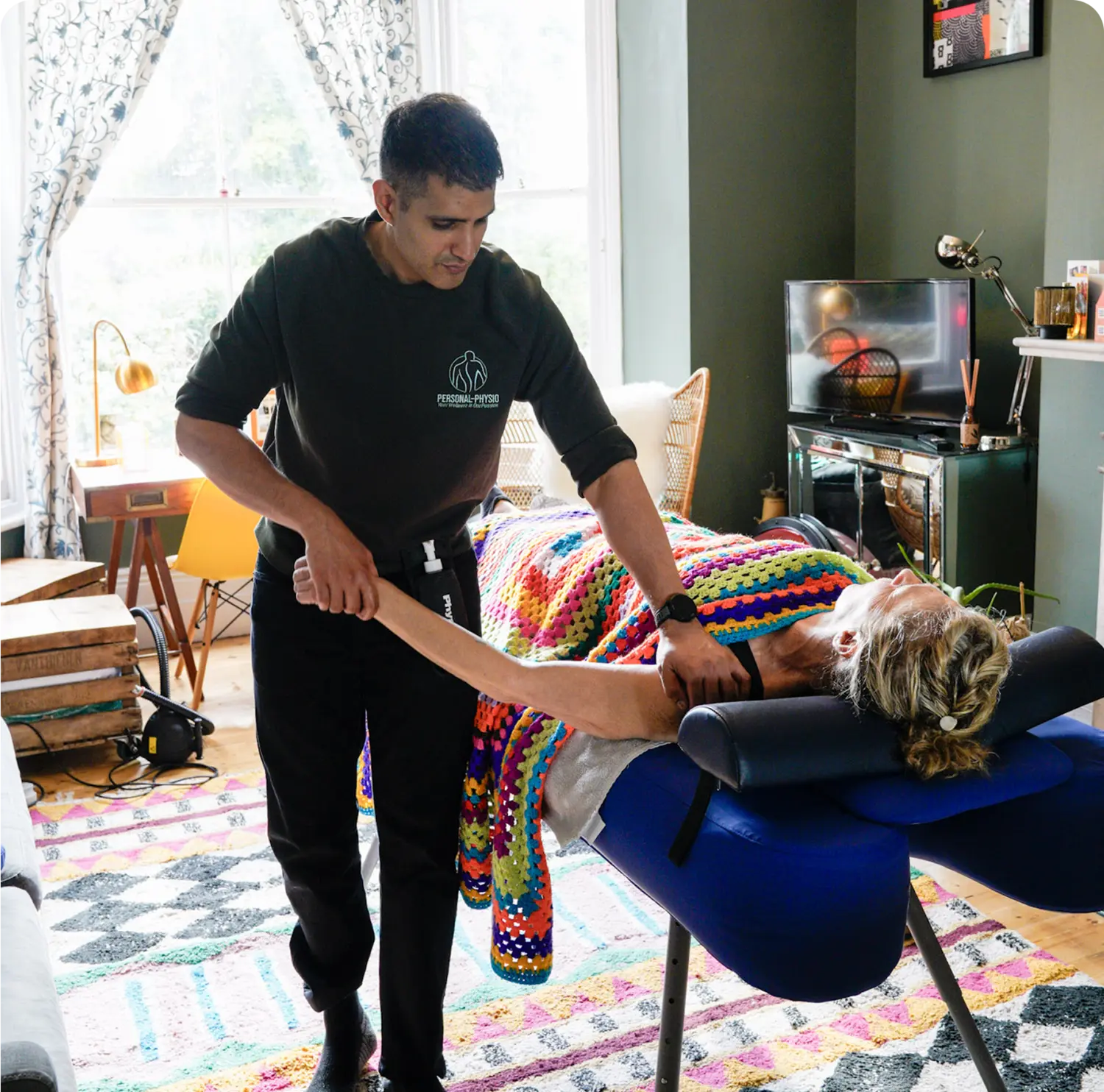
Sessions are available at our Soho clinic or via home visits across London, depending on what suits you best.
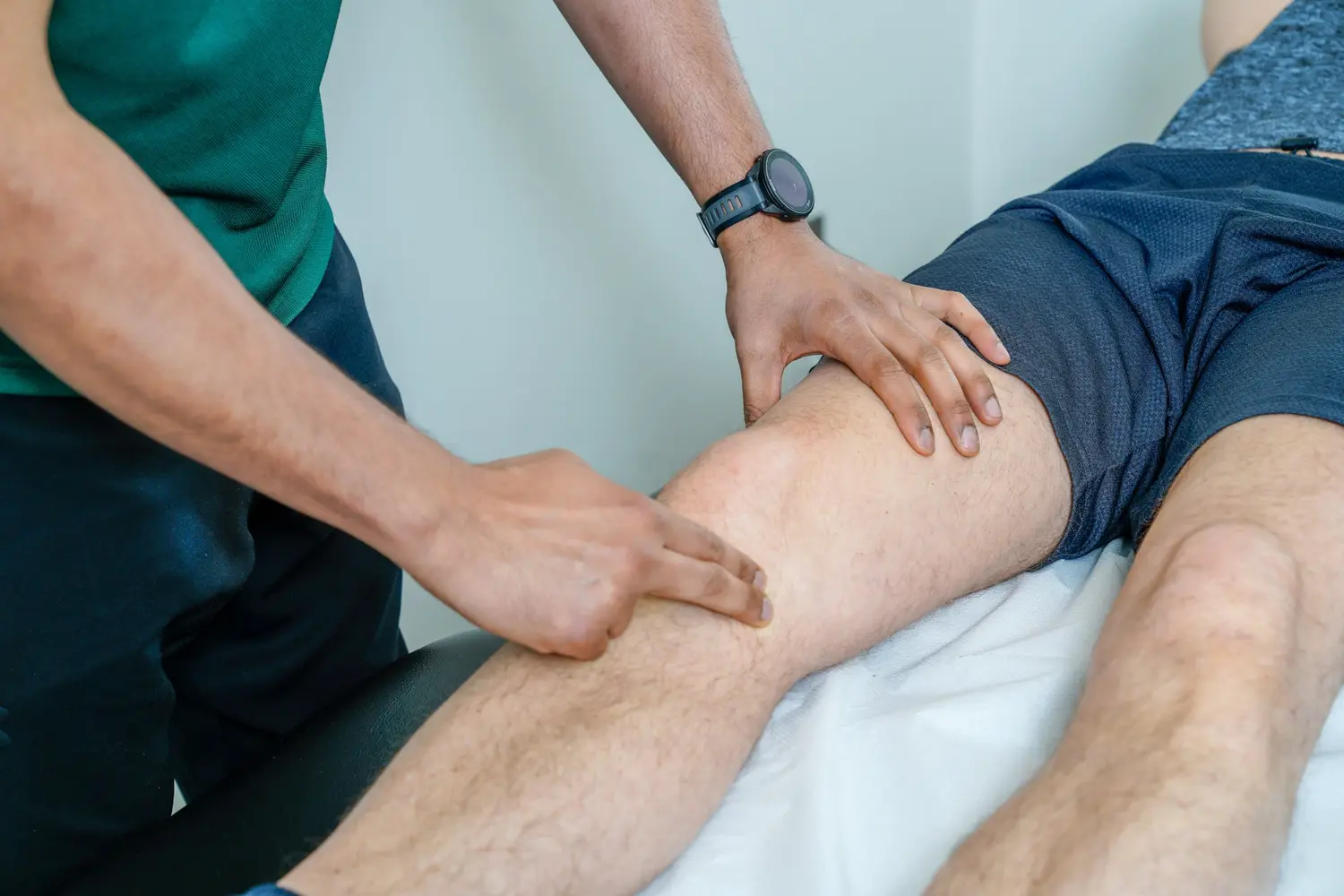
What This Can Feel Like
Muscle and joint pain may present as:
General muscle pain and tightness
Pain during or after activity
Stiffness after rest
Recurrent or persistent pain
Pain with prolonged sitting or desk work
Difficulty returning to the gym or sport
Reduced confidence in movement or loading
These symptoms are often linked to a combination of overload, reduced strength, movement limitations, or poor control.
Clinical Services
How Physiotherapy Helps
Treatment follows a structured process focused on identifying the cause of your pain and rebuilding movement capacity — not just short-term symptom relief.
Assessment
A detailed analysis of how your body moves and what is contributing to your pain
Treatment
Hands-on physiotherapy where appropriate to reduce pain and improve mobility
Rehabilitation
Targeted exercises to restore strength, movement, and control
Guidance
Helping you manage load, activity, and prevent recurrence long-term
Expected Outcomes
As treatment progresses, you may notice:
- Reduced pain and discomfort
- Improved movement and mobility
- Better tolerance to activity and training
- Increased confidence in daily movement
- Long-term control of symptoms
Progress is gradual and reflects how your body responds over time. Recovery is structured and guided — with a clear plan tailored to your body and goals.

Who This Is Suitable For
This may be appropriate if:
- You are dealing with ongoing muscle or joint pain
- Symptoms are affecting your work, training, or daily activity
- Pain keeps returning despite rest or treatment
- You want a clear, structured plan to recover and prevent recurrence
- Desk-based professionals experiencing pain or stiffness
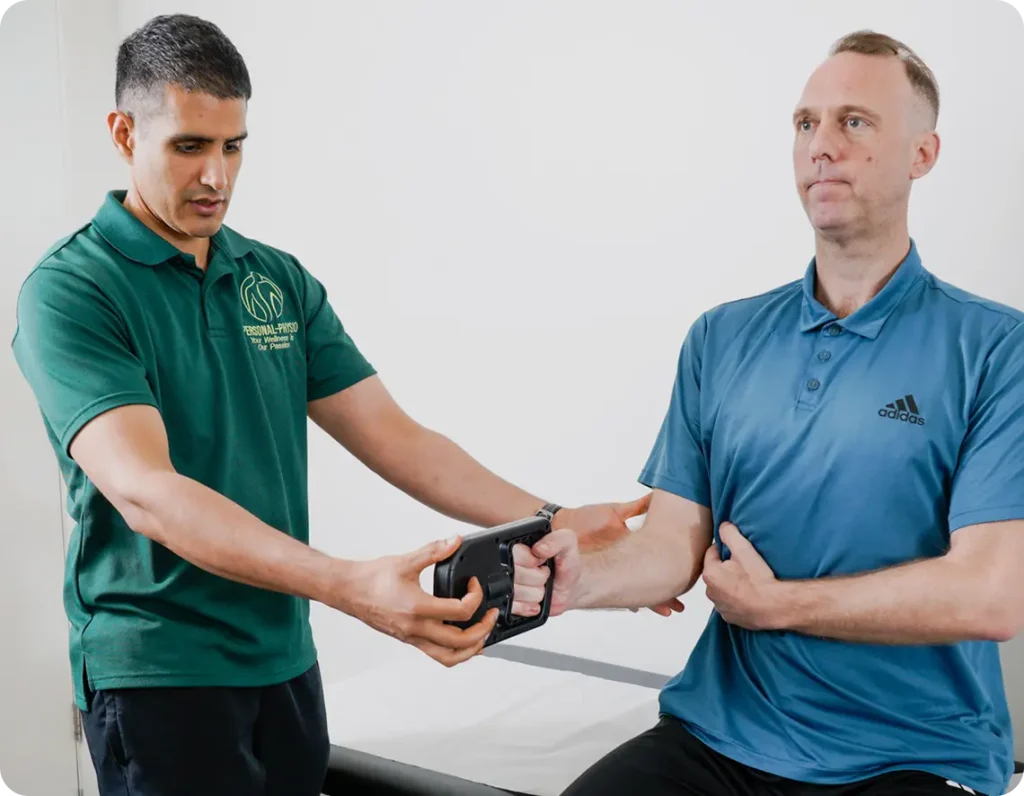
Where Sessions Take Place
Sessions are available at our Central London clinic (UNTIL Soho) or via home visits across London, depending on what suits you best.
All sessions follow the same structured approach to assessment, treatment, and rehabilitation.”
Frequently asked questions.
What types of muscle and joint pain can physiotherapy help with?
Physiotherapy can help with a wide range of muscle and joint problems, including stiffness, muscular tension, recurring aches, tendon pain, joint irritation, movement-related pain, postural discomfort, sports injuries, gym-related overload and pain linked to everyday activity.
At Personal-Physio, the aim is to understand what is contributing to your symptoms and create a clear plan to reduce pain, restore movement, rebuild strength and improve long-term confidence.
What causes muscle and joint pain?
Muscle and joint pain can be influenced by many factors, including overload, weakness, stiffness, reduced movement variety, sudden changes in training, prolonged sitting, stress, poor recovery, previous injuries or irritation of muscles, tendons, joints or surrounding tissues.
Often, there is not one single cause. A good physiotherapy assessment looks at the full picture: your symptoms, lifestyle, work demands, activity levels, movement, strength and goals.
When should I see a physiotherapist for muscle or joint pain?
You may benefit from physiotherapy if pain is limiting movement, training, work, sleep or daily activity, or if symptoms keep returning despite rest, stretching, massage or self-management.
It is also worth seeking advice if you are unsure what is safe to do, if you are avoiding movement through fear of aggravating symptoms, or if you want a clear plan to return to normal activity.
Do I need a scan before seeing a physiotherapist?
In many cases, no. Most muscle and joint problems can be assessed clinically through a detailed history, movement assessment, strength testing and screening for signs that further medical review may be required.
If your symptoms suggest that imaging, GP review or onward referral would be appropriate, this will be discussed during your assessment.
What happens during a muscle and joint pain assessment?
Your assessment will usually include a discussion about your symptoms, how they started, what aggravates or eases them, your work and training demands, previous injuries and recovery goals.
We then assess movement, strength, mobility, sensitivity and any relevant contributing areas. The goal is to understand why the problem may be persisting and what needs to change for you to move and function better.
Can hands-on treatment help muscle and joint pain?
Yes. Hands-on treatment can be helpful where there is muscle tension, stiffness, guarding, soreness or discomfort with movement.
At Personal-Physio, hands-on treatment may include soft tissue therapy, sports massage, joint mobilisation, acupuncture or dry needling where appropriate. It can help reduce symptoms and improve comfort, but it is usually most effective when combined with movement advice and progressive rehabilitation.
Will I need exercises for muscle and joint pain?
In most cases, yes. Exercises are often used to improve movement, strength, control, tolerance and confidence.
Depending on your symptoms, exercises may include mobility work, strengthening, balance, movement control, graded exposure to painful movements, gym-based rehabilitation or sport-specific progressions.
Is muscle or joint pain always caused by weakness?
Not always. Weakness can be one factor, but pain may also be influenced by stiffness, overload, sensitivity, recovery, training changes, work demands, previous injury, stress, sleep or reduced confidence with movement.
The aim is not to blame one factor, but to identify what is most relevant in your case and build a practical plan around that.
Should I rest completely if I have muscle or joint pain?
Complete rest is rarely the best long-term solution unless symptoms are very acute or there has been a significant injury. In many cases, modified movement is more helpful than doing nothing.
Physiotherapy can help you understand what to continue, what to reduce temporarily, and how to rebuild gradually without repeatedly flaring symptoms.
Can physiotherapy help recurring muscle and joint pain?
Yes. Recurring pain often needs more than short-term symptom relief. The aim is to understand why symptoms keep returning and improve your body’s ability to tolerate work, training, sport and daily activity.
This may involve a combination of hands-on treatment, mobility work, strengthening, load management, movement confidence and longer-term rehab planning.
How many sessions will I need?
This depends on the type of problem, how long symptoms have been present, how irritable they are and what you want to return to.
Some short-term muscle or joint issues improve within a few sessions, while longer-standing or recurring problems may benefit from a more structured plan over several weeks. Your physiotherapist will discuss a realistic plan after your assessment.
Can I keep training with muscle or joint pain?
Often, yes — but your training may need to be adjusted. The right approach depends on your symptoms, training history, goals and how your body responds to load.
Rather than simply stopping everything, we usually aim to keep you moving where possible while modifying intensity, range, volume or exercise selection.
When should I seek urgent medical advice?
You should seek urgent medical advice if pain is associated with significant trauma, severe swelling, unexplained weight loss, fever, night sweats, sudden severe pain, progressive weakness, numbness, loss of bladder or bowel control, or if a joint is hot, red and very painful.
These symptoms are uncommon, but they should be assessed medically before continuing with physiotherapy.
Do you offer muscle and joint pain treatment at UNTIL Soho?
Yes. Personal-Physio provides muscle and joint pain physiotherapy from UNTIL Soho in Central London. Sessions may include assessment, hands-on treatment, movement rehabilitation, gym-based strengthening and practical advice tailored to your work, lifestyle and activity goals.
Home visit physiotherapy is also available across London where appropriate.
What makes Personal-Physio different?
Personal-Physio combines detailed assessment, hands-on treatment, rehabilitation and clinical strength & conditioning. The focus is not only on reducing pain, but also restoring movement, rebuilding strength, improving confidence and supporting long-term recovery.
The approach is one-to-one, personalised and designed around your specific symptoms, lifestyle, work demands and physical goals.
Start addressing the root cause of your pain — with a clear, structured plan
Expert-led rehabilitation designed to restore strength, movement, and confident return to activity.