
Neck Pain Physiotherapy Central London
Fix the Cause. Restore Movement. Stay Pain-Free.
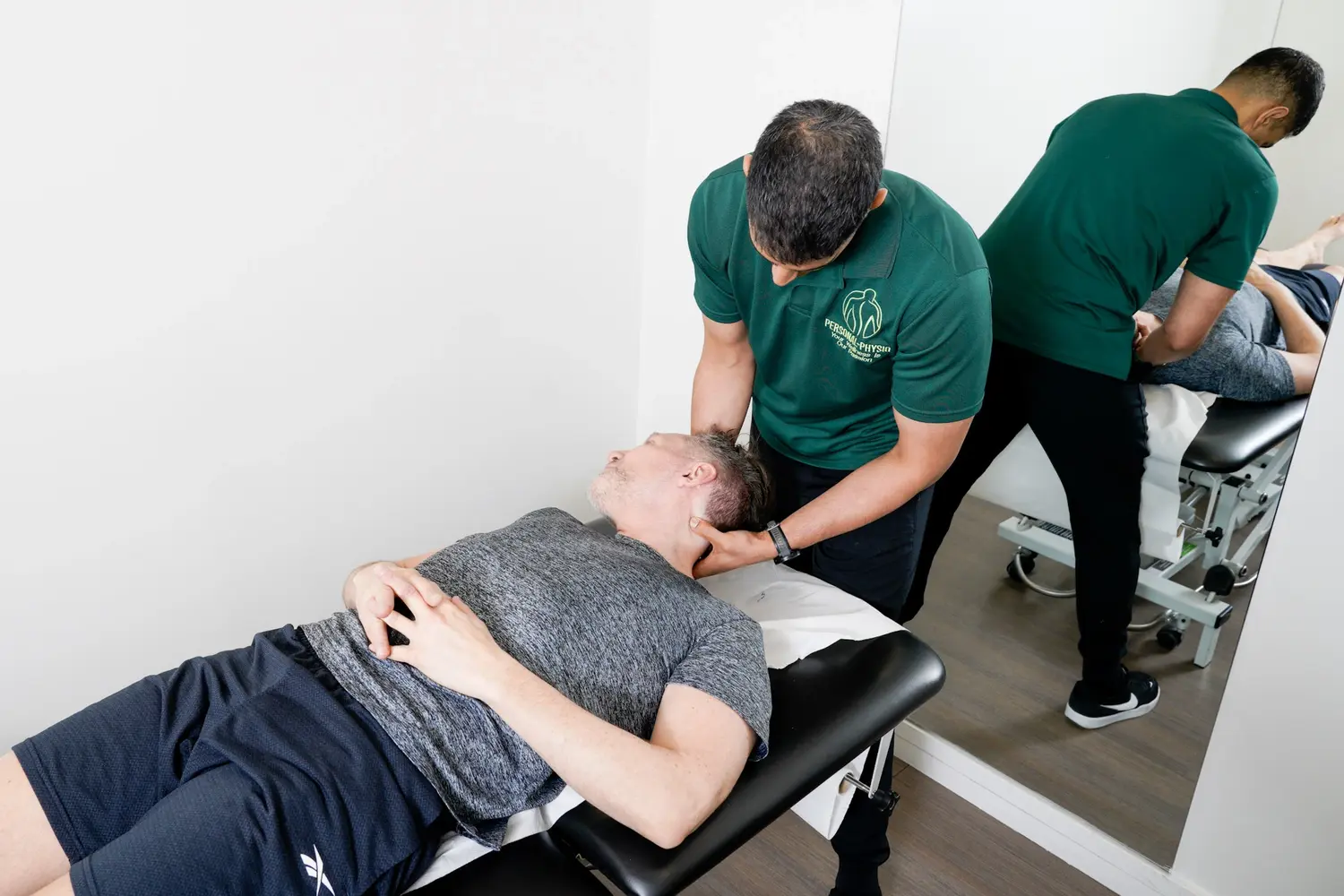
Expert Physiotherapy Tailored to Your Life
Neck pain often becomes noticeable during desk work or prolonged screen use, particularly when looking down for extended periods. You may notice stiffness or discomfort during these movements, along with difficulty turning your head fully.
This is particularly common in people who spend long hours at a desk, on laptops, or using their phone throughout the day.
As it continues, it can begin to affect how you sit, work, and maintain posture throughout the day. Tasks that require you to turn your head or stay in one position for longer periods may start to feel restricted.
This is commonly linked to posture-related strain, repetitive stress, or muscle tension around the neck and shoulders. If not addressed, it can limit movement and make daily activity less comfortable.
In physiotherapy, the aim is to look beyond symptoms and address the underlying cause, helping restore normal movement through a structured recovery process.

Symptoms and Impact
Neck pain does not stay limited to one area — it often becomes noticeable through everyday movement and posture.
Common symptoms of neck pain include stiffness, reduced movement, and discomfort with prolonged sitting or screen use.
Reduced flexibility or a sense of weakness may also become noticeable during certain movements. As it continues, it can begin to affect how you work and stay comfortable throughout the day.
It’s not just the intensity of pain — it’s how regularly it interferes with your movement and routine.
Looking down can feel uncomfortable, especially during desk work or screen use
Pain may vary depending on posture or movement
Turning your head or holding position may trigger discomfort
Simple actions like checking over your shoulder may feel restricted
Sitting or working for long periods may become tiring
When to Seek Treatment
You should consider physiotherapy if neck pain persists for more than a few days or begins to affect your daily activities.
Pain that continues for several days without improvement, or becomes more noticeable over time, is usually a sign that it needs attention.
You may also find that movement starts to feel more limited or uncomfortable, or that the issue keeps returning and affecting your routine.
When everyday activities such as working, driving, or maintaining posture begin to feel harder to manage, addressing it early can help prevent it from becoming more persistent.

Clinical Services
How Physiotherapy Helps
Neck pain is managed through a structured approach that focuses on both the symptoms and the underlying cause.
Detailed Assessment
It starts with looking at how you move and how your posture is affecting the area, helping to identify the factors linked to the issue rather than just the point of pain.
Targeted Treatment
Hands-on techniques may be used to ease discomfort and improve mobility, alongside exercises that help build strength and control. You’ll also be guided on how to adjust posture and movement patterns to reduce strain.
Guidance & Education
As the condition improves, rehabilitation continues to support better movement and positioning throughout the day, helping you return to normal activity in a more controlled and sustainable way.
Progressive Rehabilitation
Most treatment focuses on short-term relief — this approach focuses on improving how your body moves and handles load long-term.

Conditions Covered
Treatment is adjusted based on how each condition presents and how it impacts movement, ensuring it remains specific and relevant.
Cervical disc irritation / radiculopathy (nerve-related neck pain)
Whiplash-associated disorder
Facet joint irritation
Postural / desk-related neck pain
Tension-type headaches (neck-related)
Expected Outcomes
As treatment progresses, you may begin to notice:
- Less stiffness and greater overall comfort
- Movement becoming easier and more controlled
- Improved strength to support daily and physical activity
- Better posture and more efficient movement
- A steady return to normal activity
Progress is gradual and reflects how your body responds over time.

Client Results
What clients are saying.
~ C. Allado
“I needed a vocal massage which was such a niche thing and he did a great job helping me release tension in my neck, jaw and shoulders. Very knowledgeable and flexible with my needs specifically. Great pressure and technique too and very respectful!”
~ C. Weeden
“Samir was brilliant. I injured my neck and his treatment was super helpful in getting it moving and relieving some of the pain. Plus he gave me some great advice on how to help their recovery the next few days”
~ M
“Thanks Samir, the treatment was super helpful with my neck pain!”
Why Choose Personal-Physio
Treatment is guided by a clear, structured plan based on how you move — not just where the pain is.
Treatment combines hands-on techniques with strength-based rehabilitation, supported by a high-quality rehab and training environment in Central London.
The aim is to support long-term recovery and improve overall movement, rather than focusing only on short-term symptom relief.
This approach is suited to individuals who want to move better, stay active, and build lasting confidence in how they move.

Frequently asked questions.
What types of neck pain can physiotherapy help with?
Physiotherapy can help with many types of neck pain, including stiffness, muscular tension, desk-related neck pain, pain linked with headaches, reduced movement, recurring flare-ups, sports or gym-related neck pain, and symptoms associated with shoulder or upper back tension.
At Personal-Physio, the aim is to understand what is contributing to your symptoms and create a clear plan to reduce pain, restore movement and improve long-term confidence.
What causes neck pain?
Neck pain can be influenced by many factors, including prolonged sitting, screen use, stress, muscle tension, reduced movement variety, training load, sleep position, previous injury, weakness, joint sensitivity or irritation from surrounding tissues.
It is rarely just one thing. A good assessment looks at your symptoms, lifestyle, work habits, training, movement, strength and recovery.
Is neck pain always caused by poor posture?
Not usually. Posture can contribute, especially if you spend long periods in one position, but neck pain is rarely caused by posture alone.
Rather than trying to force one “perfect posture”, treatment often focuses on improving movement variety, reducing sensitivity, managing workload, and rebuilding strength and tolerance around the neck, shoulders and upper back.
What happens during a neck pain physiotherapy assessment?
Your assessment will usually include a detailed discussion about your symptoms, work setup, lifestyle, training habits, previous injuries and goals.
We then assess neck movement, shoulder and upper back movement, muscle sensitivity, strength, control and any signs that further medical review may be needed. The aim is to understand why the problem may be persisting and what needs to change.
Can hands-on treatment help neck pain?
Yes. Hands-on treatment can be helpful for many people with neck pain, especially where there is muscle tension, stiffness, guarding, headaches or discomfort with movement.
At Personal-Physio, treatment may include soft tissue therapy, sports massage, joint mobilisation, acupuncture or dry needling where appropriate. It is usually combined with movement advice and rehabilitation so improvement is not only short-term.
Will I be given exercises for neck pain?
Yes. Most clients receive exercises tailored to their symptoms, lifestyle and goals.
These may include mobility exercises, neck and upper back strengthening, shoulder control, postural endurance work, breathing or relaxation strategies, and gym-based rehabilitation where appropriate.
Can physiotherapy help neck pain from desk work?
Yes. Desk-related neck pain is a common reason people seek physiotherapy. Symptoms may be linked to prolonged static positions, screen use, reduced movement, workload, stress, shoulder tension or reduced strength/endurance.
Physiotherapy can help by reducing symptoms, improving movement, reviewing work habits where useful, and building better capacity around the neck, shoulders and upper back.
Can neck pain cause headaches?
Neck-related headaches can occur when symptoms are linked with stiffness, sensitivity or tension around the neck and upper cervical region.
A physiotherapy assessment can help identify whether the neck may be contributing to your headaches. If your symptoms suggest another cause or require medical review, this will be discussed clearly.
Can I keep training if I have neck pain?
Often, yes — but your training may need to be modified temporarily. The right approach depends on your symptoms, irritability, exercise choices and how your neck responds to load.
Physiotherapy can help you identify which exercises are suitable, which may need adjusting, and how to gradually rebuild confidence with gym training, sport or everyday activity.
How many sessions will I need for neck pain?
This depends on how long symptoms have been present, how irritable they are, your lifestyle demands and whether the problem is a short-term episode or a recurring issue.
Some people improve within a few sessions, while longer-standing or recurring neck pain may benefit from a more structured rehabilitation plan over several weeks.
When should I seek urgent medical advice for neck pain?
You should seek urgent medical advice if neck pain is associated with significant trauma, sudden severe headache, dizziness, fainting, visual changes, difficulty speaking or swallowing, unexplained weight loss, fever, night sweats, progressive weakness, numbness, or symptoms affecting balance or coordination.
These symptoms are uncommon, but they should be assessed medically before continuing with physiotherapy.
Do you offer neck pain physiotherapy at UNTIL Soho?
Yes. Personal-Physio provides neck pain physiotherapy from UNTIL Soho in Central London. Sessions may include assessment, hands-on treatment, movement rehabilitation, strengthening and practical advice tailored to your work, lifestyle and activity goals.
Home visit physiotherapy is also available across London where appropriate.
Start addressing the root cause of your neck pain
Book your appointment and start addressing the root cause of your neck pain with a clear, structured plan.