
Many people start to notice small physical changes in their 40s, 50s, 60s and beyond.
You may feel a bit stiffer in the morning. Stairs might feel harder than they used to. Getting up from the floor may take more effort. Balance might not feel quite as sharp. You may recover more slowly after exercise, gardening, walking, travel or a busy week at work.
None of this means you are “old” or that decline is inevitable.
Ageing is a normal part of life, but losing strength, mobility, confidence and independence is not something we should simply accept without question. The right combination of movement, strength training, balance work, mobility and sensible recovery can make a significant difference to how well you function over time.
At Personal-Physio, the goal is not just to help people reduce pain in the short term. It is to help them move better, build confidence and maintain the physical capacity they need for everyday life — whether that means walking comfortably, climbing stairs, carrying shopping, playing with grandchildren, travelling, staying active or continuing with sport and exercise.
Ageing Does Not Mean Inevitable Decline
It is common to hear people say things like:
“It’s just age.”
“My knees are getting old.”
“I suppose I need to slow down now.”
Sometimes age is part of the picture. But it is rarely the whole explanation.
Strength, balance, mobility and confidence are all trainable at almost every stage of adult life. The starting point may be different for each person, but the body can still adapt when it is given the right stimulus.
This does not mean everyone needs to train like an athlete. It means the body needs regular opportunities to practise and maintain the things that matter for daily function.
If you stop challenging strength, balance and movement, those qualities can gradually reduce. But when you train them appropriately, you can often improve how you move, feel and function.
What Does “Function” Actually Mean?
Function is not just about exercise. It is about being able to do the things that matter in real life.
For some people, that means walking further without discomfort. For others, it means getting up from a chair without using their hands, going up and down stairs confidently, carrying bags, getting on and off the floor, reaching overhead, maintaining balance, or feeling safe walking outside.
It may also mean returning to hobbies such as golf, tennis, gym training, swimming, gardening, hiking or travelling.
Good physiotherapy and rehabilitation should therefore focus on practical capacity, not just pain levels.
The aim is to help you maintain or rebuild the physical qualities that support independence:
Strength.
Balance.
Mobility.
Walking tolerance.
Confidence.
Coordination.
Ability to get up and down.
Ability to push, pull, lift and carry.
Tolerance to daily and recreational activities.
These qualities are not just useful for sport. They are useful for life.
Strength Is One of the Biggest Priorities

Strength training is one of the most important things adults can do to maintain function as they age.
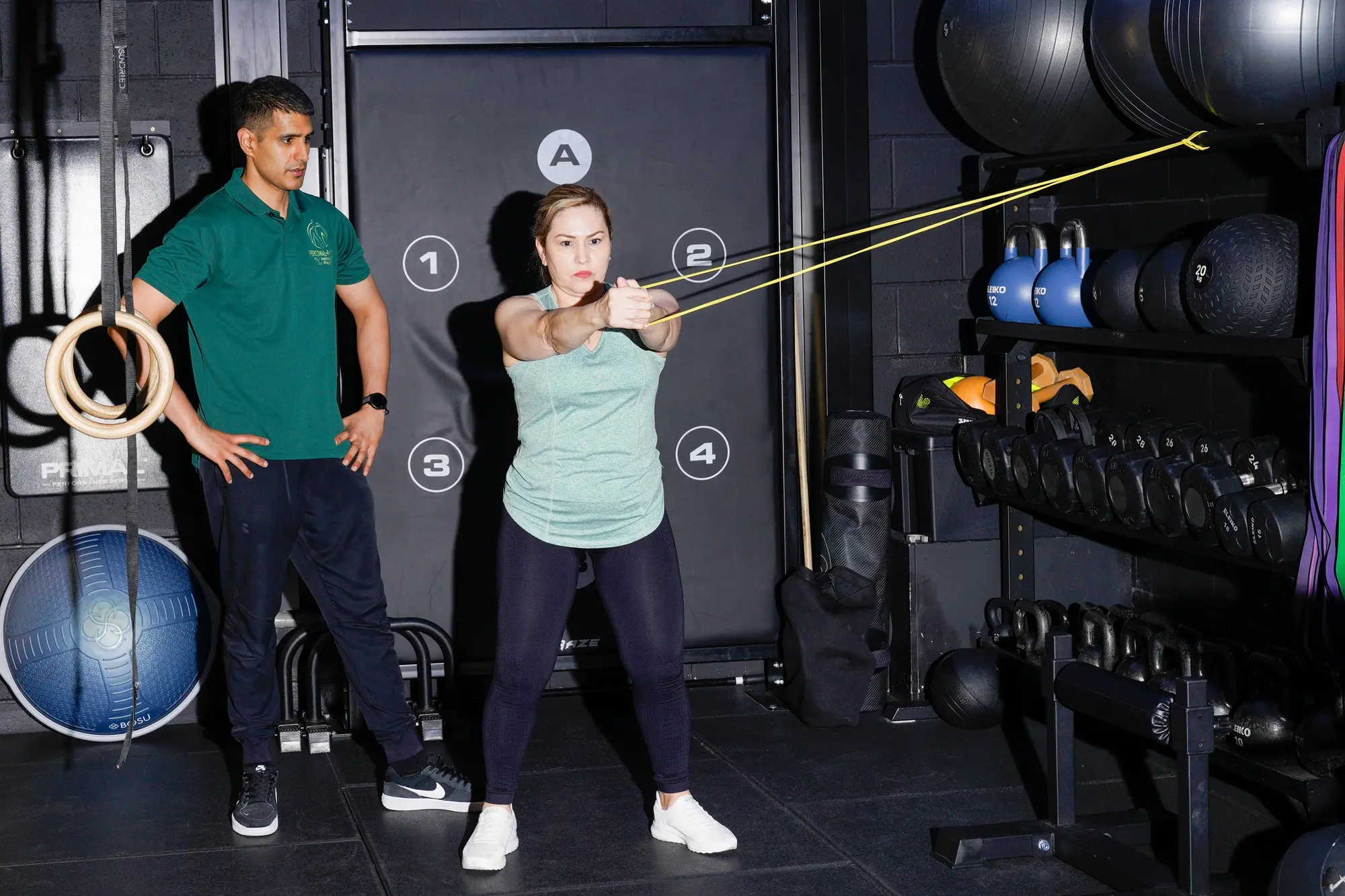
This does not have to mean heavy gym lifting straight away. Strength work can start with sit-to-stands, step-ups, supported squats, wall push-ups, resistance bands, light dumbbells or carefully selected gym exercises.
The key is progressive loading. In simple terms, the body needs to be challenged enough to adapt, but not so much that it becomes overly irritated or unsafe.
For many people, useful strength work includes:
Sit-to-stands or squats.
Step-ups.
Hip hinges or deadlift variations.
Calf raises.
Rows and pulling movements.
Pressing or pushing movements.
Loaded carries.
Trunk and hip strengthening.
Getting up and down from the floor.
These movements have a direct link to everyday life. They help with stairs, chairs, walking, lifting, carrying, balance reactions and general confidence.
World Health Organization guidance recommends that adults and older adults include muscle-strengthening activities involving major muscle groups on at least two days per week (World Health Organization, 2020). For older adults, this should also be combined with activities that emphasise functional balance and strength, particularly where mobility or falls risk is a concern (Bull et al., 2020).
Balance Needs to Be Trained Too

Balance can change gradually over time. Some people first notice it when walking on uneven ground, turning quickly, using stairs, getting dressed while standing, or feeling less confident outdoors.
Like strength, balance is trainable.
Balance work may include:
Standing with a narrower base of support.
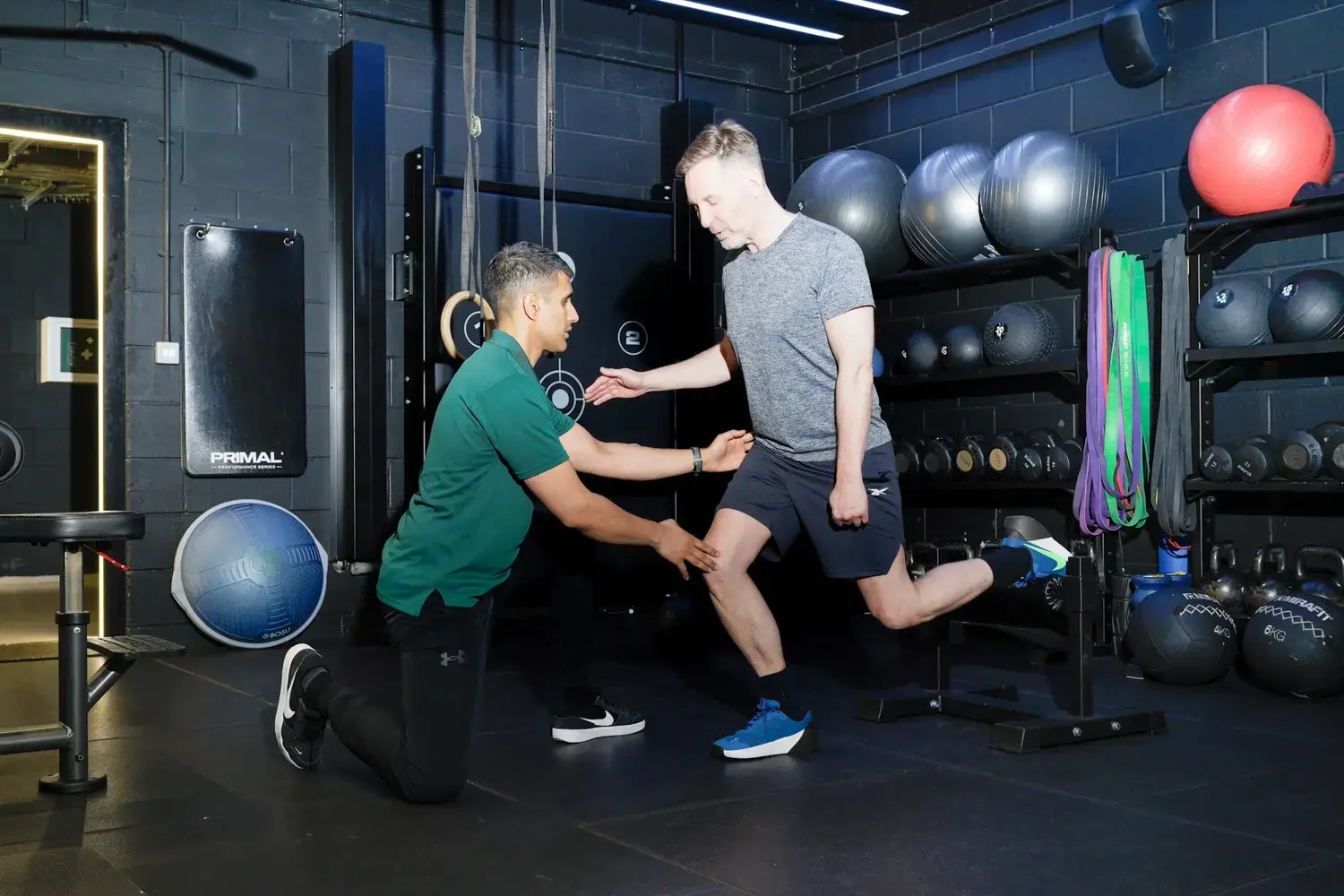
Single-leg balance variations.
Heel-to-toe walking.
Step and reach exercises.
Controlled direction changes.
Getting on and off the floor.
Carrying tasks.
Gait and walking drills.
The right level depends on the person. For some, balance work may start with simple supported exercises near a wall or chair. For others, it may involve more dynamic and challenging tasks.
The goal is not to make exercises unnecessarily difficult. The goal is to improve confidence and control in positions that matter for real life.
Mobility Matters — But It Should Be Useful
Mobility work can be helpful, especially when stiffness limits comfortable movement.
But mobility should not just be random stretching. It should relate to what the person needs to do.
For example:
Hip and ankle mobility may help with walking, squatting and stairs.
Thoracic spine mobility may help with posture, reaching and rotation.
Shoulder mobility may help with dressing, lifting and overhead tasks.
Neck mobility may help with driving, walking outside and general comfort.
Mobility work is often most effective when combined with strength. A movement you can access but cannot control may not feel useful. A movement you can control and load gradually is more likely to translate into better function.
Walking Tolerance Is a Key Marker of Independence

Walking is one of the most important physical activities for long-term independence.
For many people, a key goal is not simply “more exercise”, but being able to walk further, with less pain, more confidence and better recovery afterwards.
This may involve gradually increasing:
Distance.
Pace.
Hills or stairs.
Uneven surfaces.
Time on feet.
Confidence outdoors.
Recovery between walks.
Walking tolerance can be affected by strength, balance, joint pain, confidence, cardiovascular fitness, footwear, medication, previous injuries and general health.
A good plan should consider the whole picture rather than simply telling someone to “walk more”.
Confidence Is Part of Physical Function
Confidence is often overlooked.
After pain, injury, a fall, surgery or a long period of reduced activity, people may become cautious. They may avoid stairs, avoid uneven ground, stop carrying heavier items, reduce walking distance or stop hobbies they previously enjoyed.
This is understandable. But avoiding activity for too long can reduce strength and confidence further.
Rehabilitation should help people rebuild trust in their body through gradual exposure. That might mean practising getting up from a chair, stepping, balancing, lifting, walking further or returning to a specific activity in a structured way.
The aim is not to push through everything. The aim is to rebuild confidence safely and progressively.
Common Mistakes People Make
1. Waiting Until Things Become Severe
Many people only seek help when pain, stiffness or weakness has become a major limitation.
But it is often easier to address changes earlier. If stairs are starting to feel harder, balance feels less reliable, or you are avoiding certain tasks, that is a good time to start working on strength and movement.
2. Only Stretching
Stretching can feel useful, but it is rarely enough on its own.
If the main issue is reduced strength, poor balance, low confidence or reduced tolerance to activity, stretching alone will not address the full problem.
3. Avoiding Strength Training Because It Feels Intimidating
Strength training does not have to mean heavy weights, busy gyms or complicated programmes.
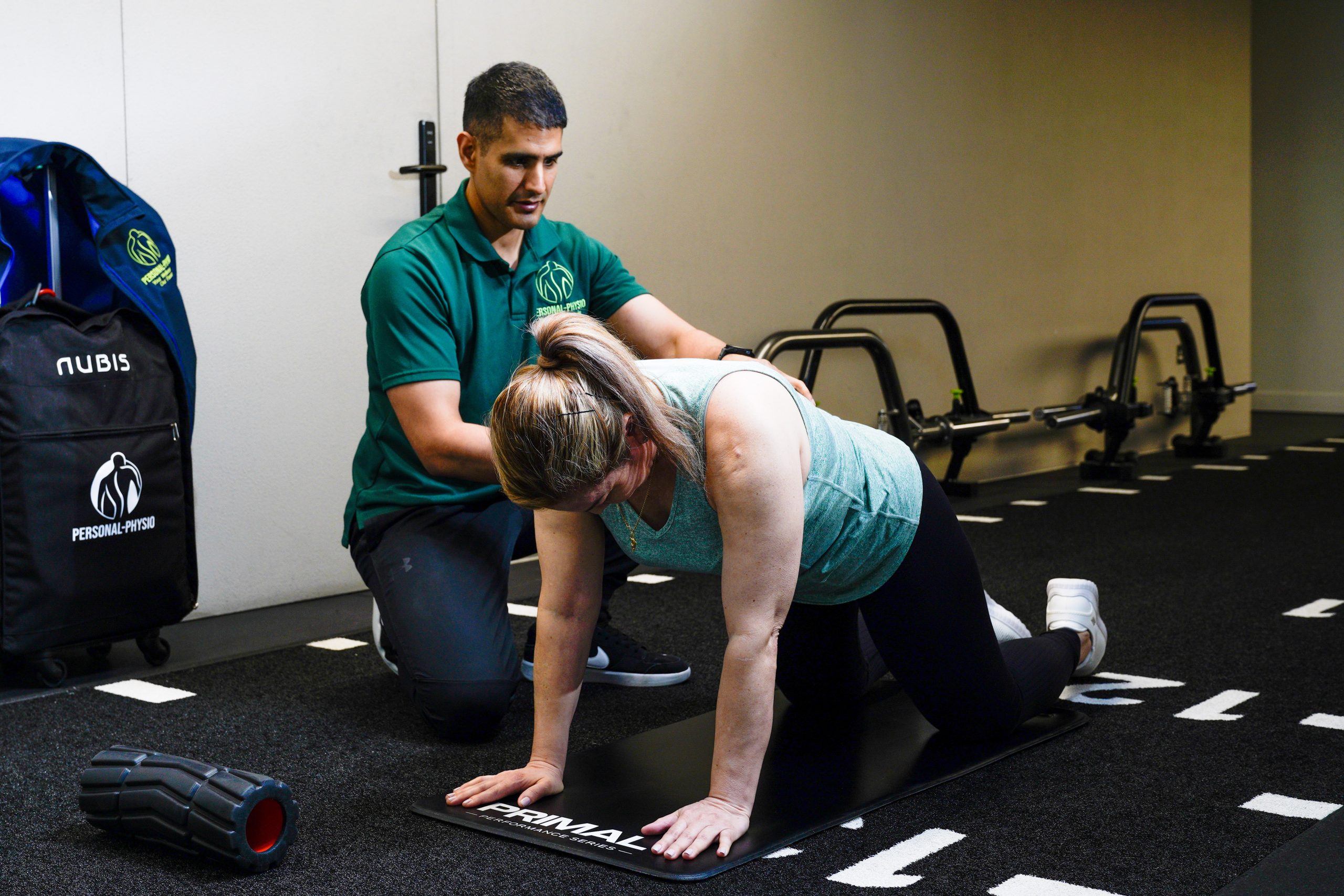
It can be adapted to the person. For some, it starts with bodyweight exercises at home. For others, it may involve structured gym-based rehab and clinical strength and conditioning.
The important thing is that the programme is appropriate, progressive and matched to the person’s goals and medical history.
4. Doing Exercises That Do Not Match Real Life
A programme should connect to the things you actually want to improve.
If the goal is stairs, then step-ups, squats and calf strength may matter. If the goal is getting off the floor, then floor transfer practice and lower-body strength may matter. If the goal is carrying shopping, then loaded carries and grip strength may matter.
Exercise should not be random. It should have a purpose.
Where Hands-On Treatment Fits
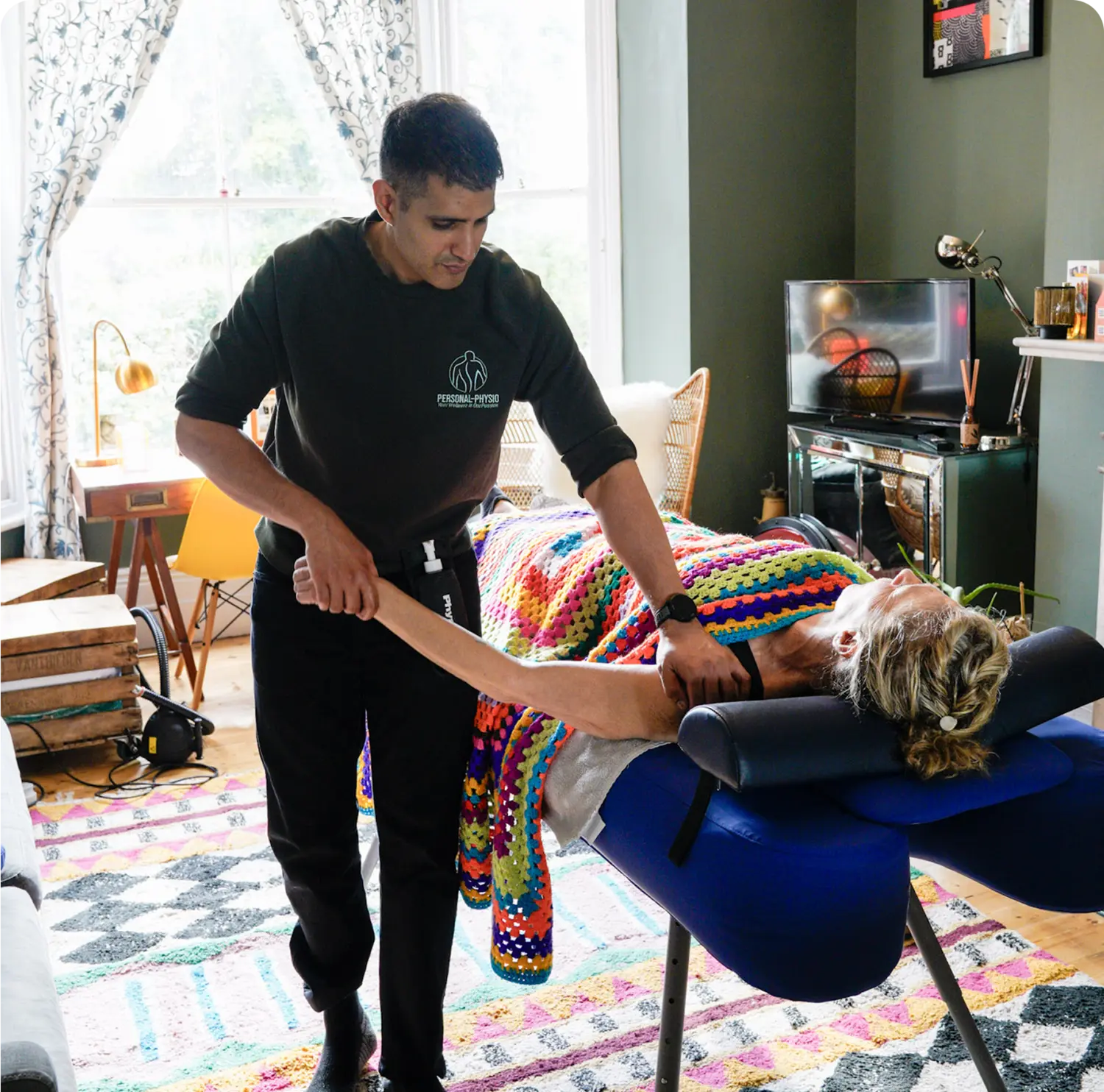
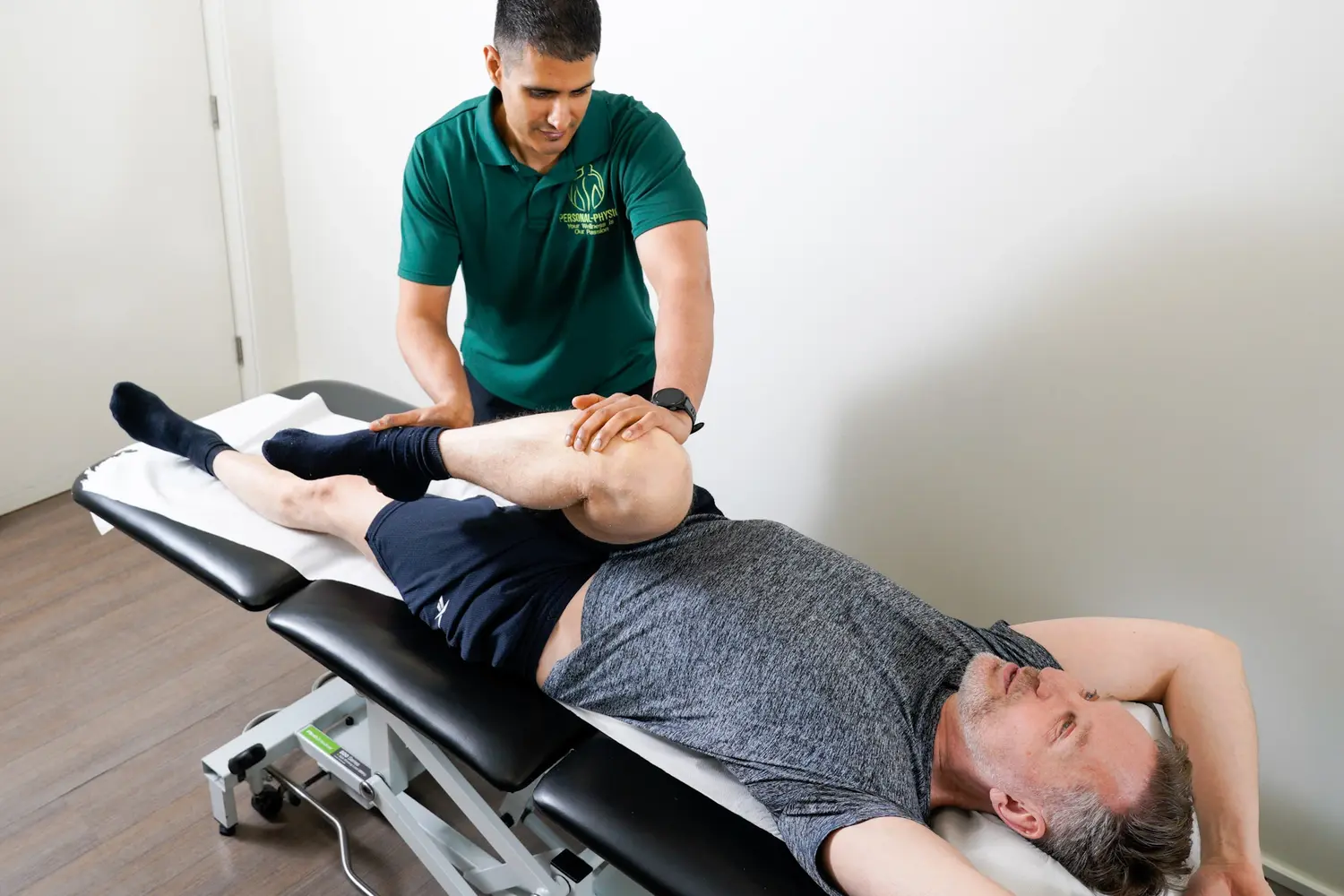
Hands-on treatment can be very useful where pain, stiffness or muscle tension is limiting movement.
This may include soft tissue therapy, sports massage, joint mobilisation, acupuncture or dry needling where appropriate.
For example, if someone has a stiff lower back, tight hips, painful knees or a guarded neck and shoulders, hands-on treatment may help reduce discomfort and make movement feel easier.
But maintaining function as we age usually requires more than treatment alone.
Hands-on treatment can help create a window for better movement. Rehabilitation and strength work help build the capacity to keep moving well over time.
At Personal-Physio, these are not separate ideas. They work best together: reduce pain and stiffness where needed, then rebuild strength, movement and confidence.
How Personal-Physio Can Help
At Personal-Physio, the approach is built around four stages:
Assess. Treat. Rebuild. Perform.
Assess
We start by understanding what has changed, what matters to you, and what you want to be able to do.
This may include looking at strength, balance, walking tolerance, mobility, pain, confidence, medical history and everyday tasks such as stairs, lifting, carrying or getting up from a chair.
Treat
Where appropriate, hands-on treatment may be used to reduce pain, stiffness and muscle tension, helping you move more comfortably.
Rebuild
This is where we develop a structured plan to improve strength, balance, mobility and activity tolerance.
The plan should be adapted to your starting point, goals, medical history and confidence level.
Perform
For some people, “perform” means returning to sport or gym training. For others, it means walking confidently, staying independent, travelling, playing with grandchildren, gardening or simply feeling capable in everyday life.
Performance is personal. The goal is to help you do the things that matter to you.
What Should a Good Programme Include?
A good programme for maintaining function as you age will usually include some combination of:
Lower-body strengthening.
Upper-body pushing and pulling.
Balance and coordination work.
Mobility exercises.
Walking or cardiovascular activity.
Carrying and lifting tasks.
Getting up and down from the floor.
Stairs or step-based exercises.
Confidence-building movement exposure.
Recovery and pacing advice.
The exact plan should depend on the individual.
For someone with osteoporosis, arthritis, a history of falls, surgery, cardiovascular conditions or other medical considerations, exercises may need to be modified. That does not mean exercise should be avoided. It means the plan should be appropriate.
Final Thoughts
Ageing does not mean you have to accept a steady decline in strength, mobility or independence.
Some changes are normal, but many physical qualities remain trainable. Strength, balance, mobility, walking tolerance and confidence can all improve with the right approach.
The most useful programmes are not generic. They are adapted to the person, their goals, their medical history and the activities they want to maintain.
If you are starting to notice stiffness, weakness, balance changes, aches, slower recovery or reduced confidence, Personal-Physio can help you build a practical plan to stay strong, mobile and independent.
Book a physiotherapy, rehabilitation or home visit appointment with Personal-Physio in Central London or South West London.
References
Bull, F.C., Al-Ansari, S.S., Biddle, S., Borodulin, K., Buman, M.P., Cardon, G., Carty, C., Chaput, J.-P., Chastin, S., Chou, R., Dempsey, P.C., DiPietro, L., Ekelund, U., Firth, J., Friedenreich, C.M., Garcia, L., Gichu, M., Jago, R., Katzmarzyk, P.T., Lambert, E., Leitzmann, M., Milton, K., Ortega, F.B., Ranasinghe, C., Stamatakis, E., Tiedemann, A., Troiano, R.P., van der Ploeg, H.P., Wari, V. and Willumsen, J.F. (2020) ‘World Health Organization 2020 guidelines on physical activity and sedentary behaviour’, British Journal of Sports Medicine, 54(24), pp. 1451–1462.
World Health Organization (2020) WHO guidelines on physical activity and sedentary behaviour. Geneva: World Health Organization.