
Strength training is often misunderstood.
Many people still associate it with athletes, bodybuilders, heavy weights or intimidating gym environments. But strength training is not just about building bigger muscles or lifting the heaviest weight possible.
At its best, strength training is about building capacity.
It helps your body tolerate more of what life asks from it: walking, stairs, lifting, carrying, sitting at a desk, playing sport, recovering from injury, ageing well and feeling more confident in your own body.
This is why strength training sits at the centre of good physiotherapy, rehabilitation and long-term health.
At Personal-Physio, the aim is not just to reduce pain for a few days. The aim is to help you understand what your body needs, reduce symptoms where possible, and then rebuild strength, confidence and resilience over time.
That is the difference between simply treating pain and helping someone become more capable.
Strength Training Is Not Just for Athletes
You do not need to be sporty to benefit from strength training.
You do not need to want a bigger physique. You do not need to lift very heavy weights. You do not even need to start in a gym.
Strength training simply means using resistance to challenge your muscles and tissues so they adapt.
That resistance might come from:
- Your own bodyweight
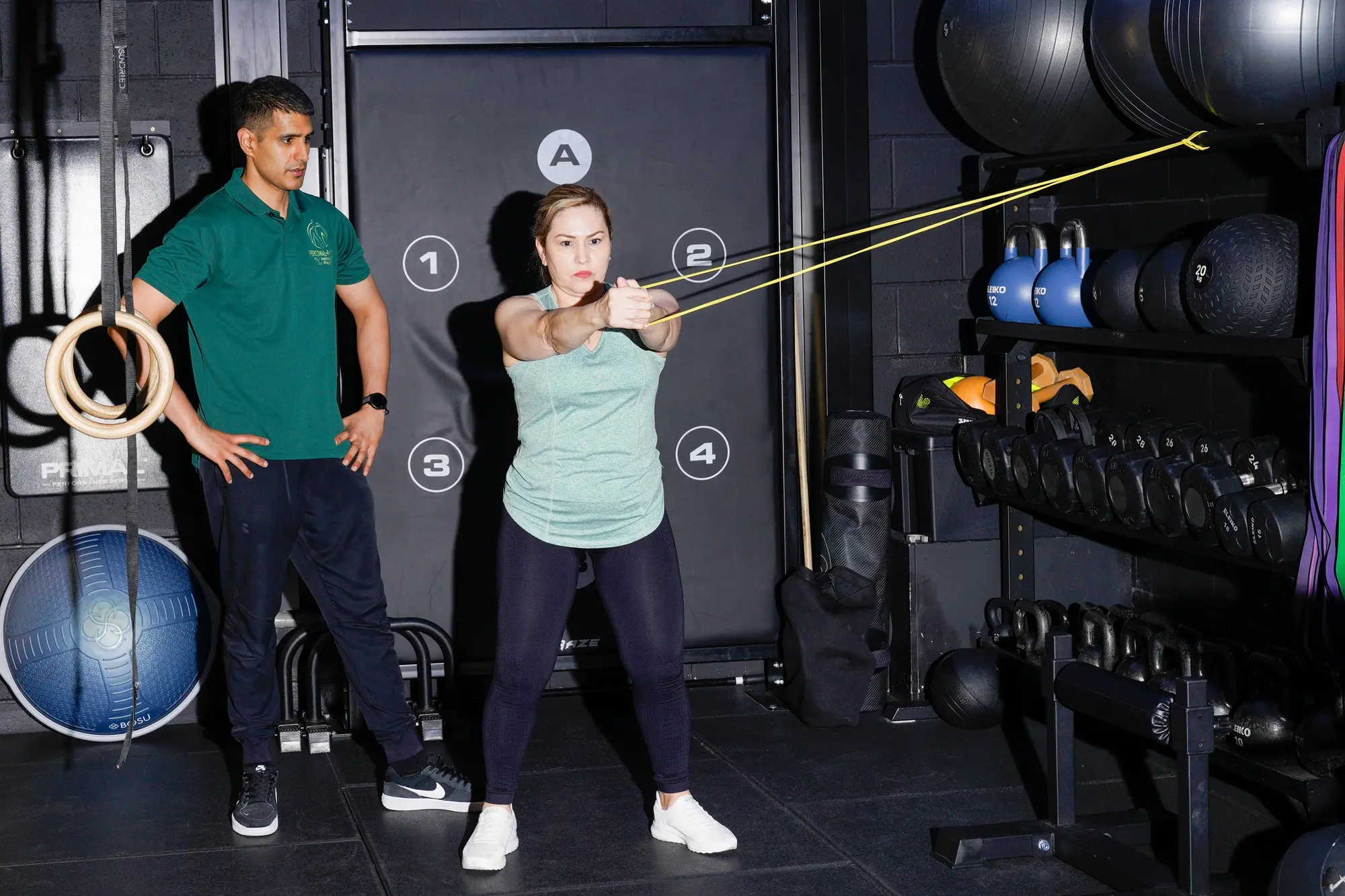
- Resistance bands
- Dumbbells or kettlebells
- Gym machines
- Cable machines
- Free weights
- Carrying tasks
- Step-ups, squats, bridges or sit-to-stands
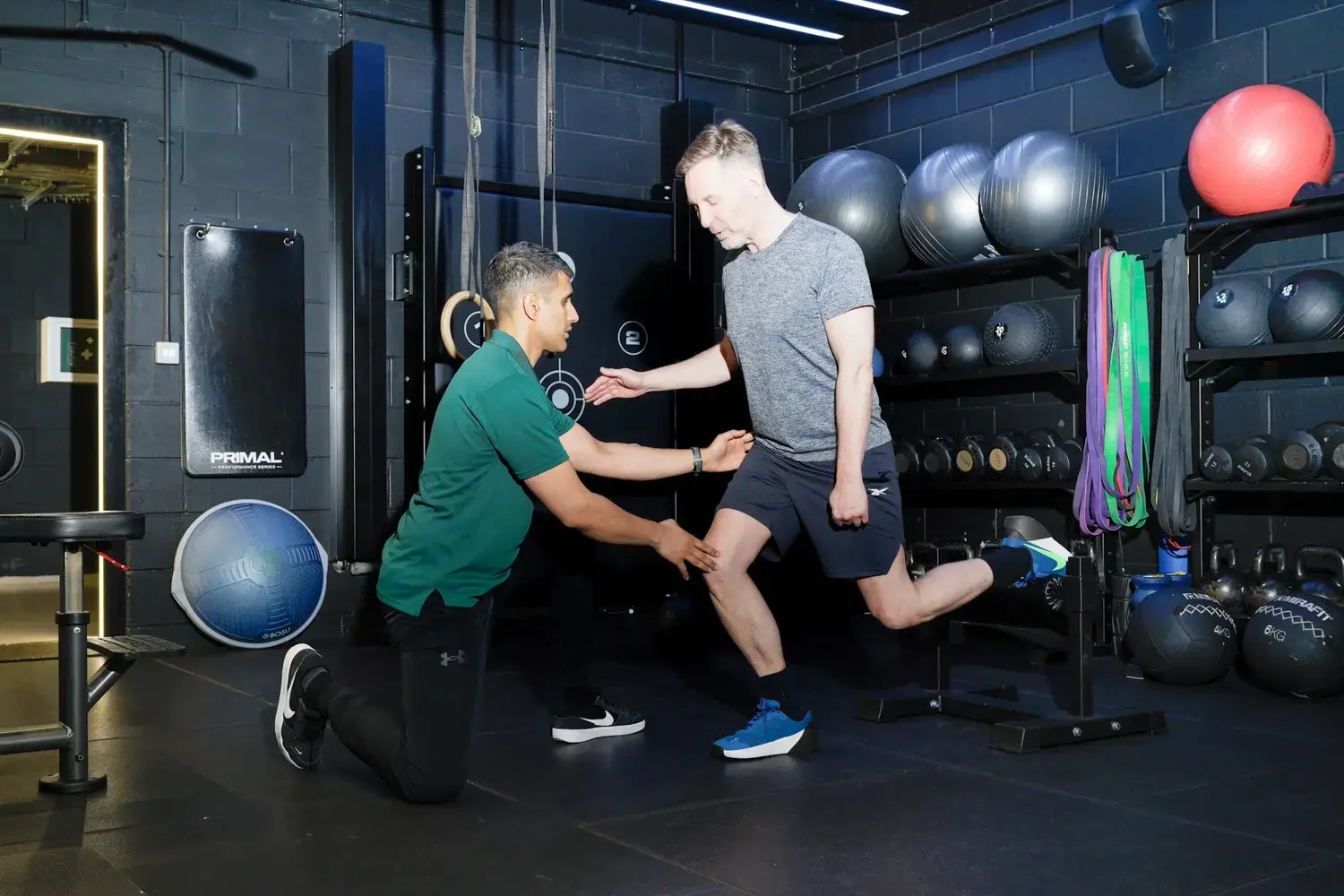
For one person, strength training may mean learning to squat and deadlift in the gym. For another, it may mean practising sit-to-stands at home after a period of reduced activity. For someone recovering from injury, it may start with very specific, controlled exercises before building towards more demanding movements.
The principle is the same: the body adapts when it is gradually exposed to the right level of challenge.
Why Strength Matters for Pain

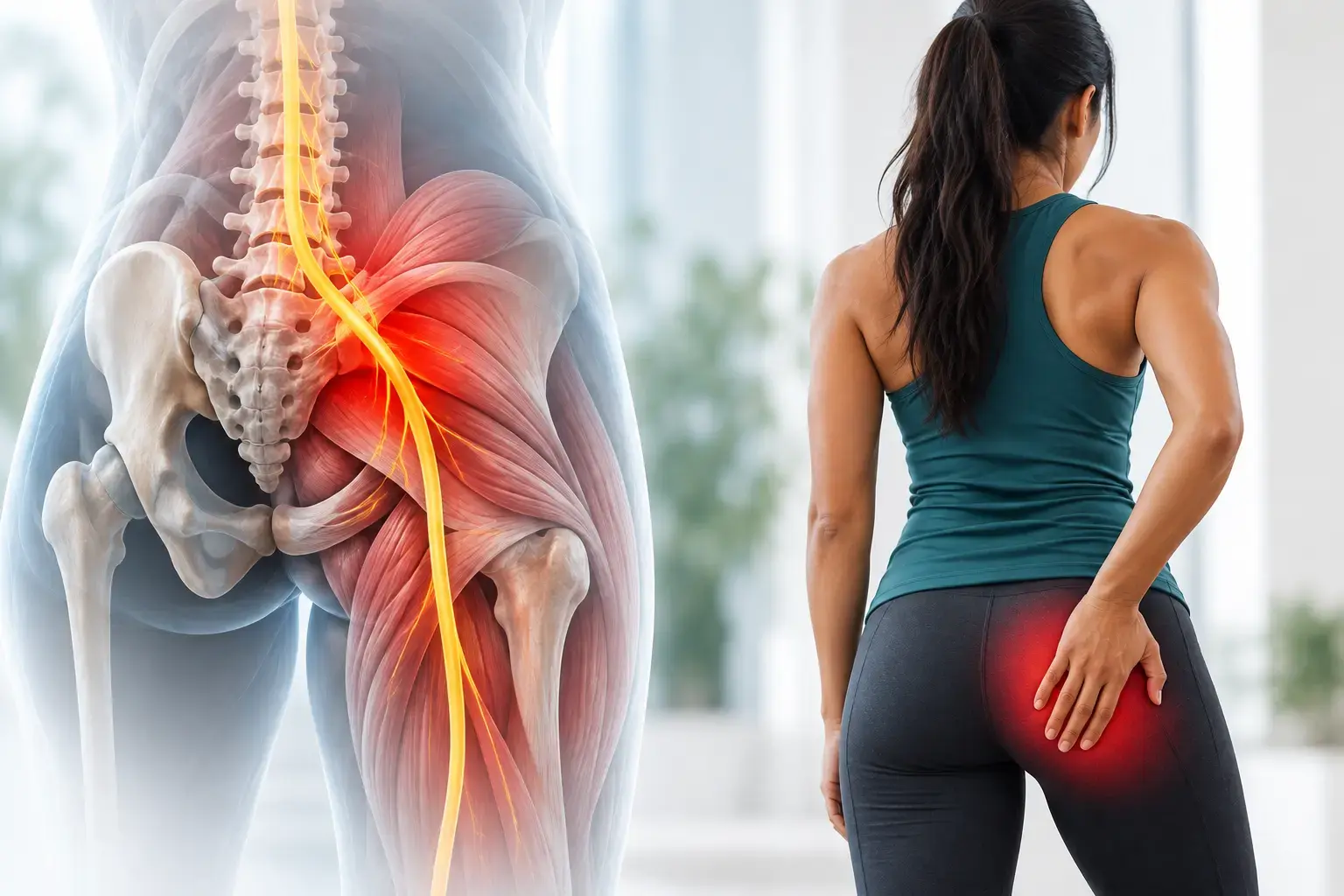
Pain is complex. It is influenced by many factors, including injury, sensitivity, stress, sleep, workload, activity levels, previous experiences and general health.
Strength training is not a magic cure for every type of pain. But it can be a very important part of managing many musculoskeletal problems.
One reason is that strength training can improve tissue capacity.
If a muscle, tendon, joint or area of the body is struggling with the demands placed on it, carefully progressed loading can help it tolerate more over time.
For example:
- Stronger hips and legs may reduce the load sensitivity around painful knees
- Better calf strength may help with Achilles or running-related problems
- Improved trunk and hip strength may support recovery from some back pain presentations
- Stronger shoulders and upper back may help with lifting, carrying and desk-related discomfort
- Progressive loading can help tendons adapt when managed carefully
This does not mean every painful area is simply “weak”. That would be too simplistic.
But if your body does not have enough capacity for what you are asking it to do, strength training is often one of the most useful ways to rebuild that capacity.
Rehab Should Not Stop at Pain Relief
Pain relief matters. If you are in pain, stiff, guarded or struggling to move, the first goal is often to calm symptoms and help you feel more comfortable.
Hands-on treatment, advice, mobility work, activity modification and early rehab can all play an important role at this stage.
But if rehab stops as soon as pain settles, the underlying capacity problem may still remain.
This is why many people get stuck in cycles:
Pain flares up.
They rest or get short-term relief.
The pain settles.
They return to normal activity.
The same issue comes back.
A better approach is to move from pain relief into rebuilding.
That means gradually improving strength, movement control, balance, confidence, tolerance to load and the ability to perform the activities that matter to you.
At Personal-Physio, this is a key part of the process:
Assess. Treat. Rebuild. Perform.
Treatment can help create the window. Strength training helps build what comes next.
Strength Training Supports Joints
A common worry is that strength training will “wear out” the joints.
In reality, when it is prescribed and progressed appropriately, strength training can help support joint health and function.
Muscles help control movement, absorb force and support the joints during daily activities and sport. When strength is low, joints may feel less supported and everyday tasks can feel harder.
For people with joint pain, arthritis or a history of injury, strength training should be adapted carefully. The aim is not to overload irritated joints aggressively. The aim is to build tolerance gradually.
This might include:
- Choosing suitable ranges of movement
- Adjusting load, speed and volume
- Using machines, bands or supported positions initially
- Monitoring symptoms during and after exercise
- Progressing based on response, not ego
Done well, strength work can improve confidence with movement rather than make people more fearful of it.
Strength Training Helps With Ageing Well

As we age, maintaining muscle strength becomes increasingly important.
Strength is closely linked to everyday independence: getting out of a chair, using stairs, carrying shopping, walking confidently, getting up from the floor and recovering from setbacks.
This does not suddenly become relevant in later life. It matters in your 30s, 40s, 50s, 60s and beyond.
The earlier you build and maintain strength, the more physical reserve you may have to draw on later.
World Health Organization guidance recommends that adults and older adults include muscle-strengthening activities involving major muscle groups on at least two days per week (World Health Organization, 2020). NHS guidance also recommends strengthening activities on at least two days per week for adults, and strength, balance and flexibility activities for older adults (NHS, 2024a; NHS, 2024b).
This is important because strength training is not just a gym trend. It is part of mainstream public health guidance.
Strength Training Builds Confidence
One of the most underrated benefits of strength training is confidence.
When you have been in pain, injured or inactive for a while, it is common to stop trusting your body.
You may avoid bending, lifting, stairs, running, gym exercises, sport or even simple daily tasks because you are worried something will flare up again.
A good strength programme helps rebuild confidence gradually.
It gives you evidence that your body can tolerate more than you thought. You start with what is manageable, build consistency, and gradually progress.
That confidence can be just as important as the physical changes.
For many people, the turning point is not just being pain-free. It is realising they can lift, carry, squat, push, pull, climb stairs, walk further or return to training without feeling fragile.
Strength Training Is Useful for Posture and Desk-Related Pain
Posture often gets blamed for neck, shoulder and back pain.
A comfortable desk setup and regular movement can help, but posture is only part of the picture.
Strength training can be useful because it improves your ability to tolerate positions, workloads and daily demands.
For example, strengthening the upper back, shoulders, trunk and hips may help someone feel more comfortable with desk work, lifting, commuting and exercise.
The goal is not to force one perfect posture all day. The goal is to build a body that can move, support itself and cope better with variation.
Strength Training Can Reduce Injury Risk

No exercise programme can prevent every injury.
Sport, training and life will always involve some risk. But strength training can help reduce certain injury risks by improving tissue capacity, control, balance and tolerance to load.
For runners, this might include calf, hip, quadriceps and hamstring strength.
For footballers or tennis players, it may include single-leg strength, trunk control, acceleration, deceleration and change-of-direction preparation.
For gym-goers, it may involve improving technique, load management and confidence with key movement patterns.
For older adults, it may include lower-body strength, balance and functional tasks that support confidence and reduce falls risk.
The key is specificity. Strength training should match the person, the goal and the demands of the activity.
Strength Training After Injury or Surgery Should Be Personalised
After injury, surgery or a long period of pain, strength training needs to be introduced intelligently.
Doing too little may leave you underprepared. Doing too much too soon may flare symptoms or reduce confidence.
A good plan should consider:
- Your diagnosis or injury history
- Pain and symptom response
- Surgery or medical precautions
- Current strength and mobility
- Confidence and fear of movement
- Training experience
- Work, sport and daily demands
- Recovery, sleep and general health
This is where physiotherapy and clinical strength and conditioning can work well together.
Physiotherapy helps assess the problem, calm symptoms where needed and identify what needs to change. Strength and conditioning helps rebuild the capacity required for real life, work, sport and long-term health.
What Should Strength Training Include?
A useful strength programme does not need to be complicated.
For many people, it should include some combination of:
- Squatting or sit-to-stand movements
- Hip hinges or deadlift patterns
- Step-ups or lunges
- Calf strengthening
- Pushing movements
- Pulling movements
- Carrying tasks
- Trunk and hip strengthening
- Balance and control work
- Gradual exposure to the activities you want to return to
The exact exercises should depend on the person.
Someone recovering from knee pain may need a different plan from someone with shoulder pain, back pain, osteoporosis, arthritis, a tendon problem or post-surgery rehab.
The goal is not to copy a generic online workout. The goal is to build the right capacity for your body and your goals.
Where Hands-On Treatment Fits
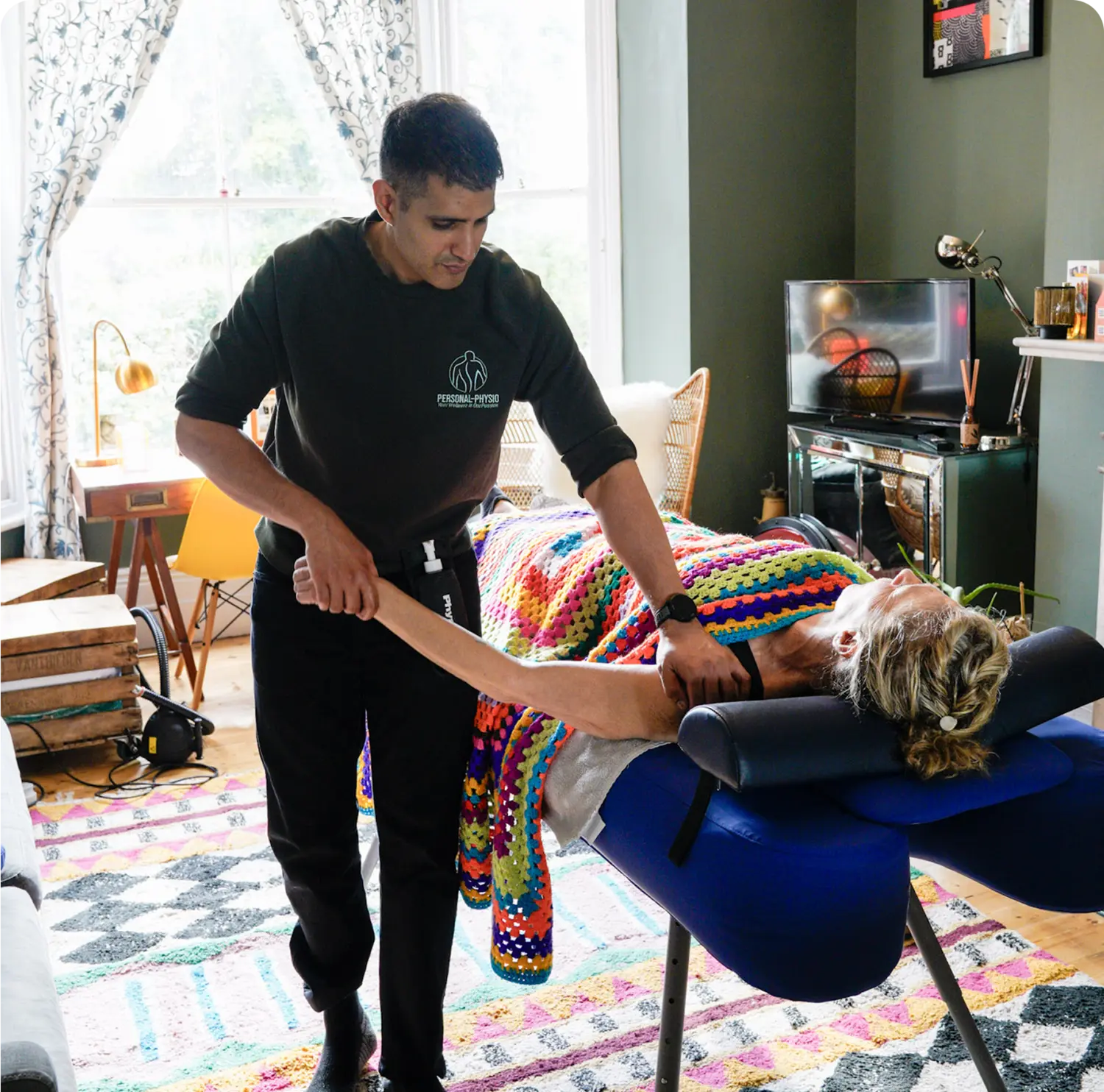
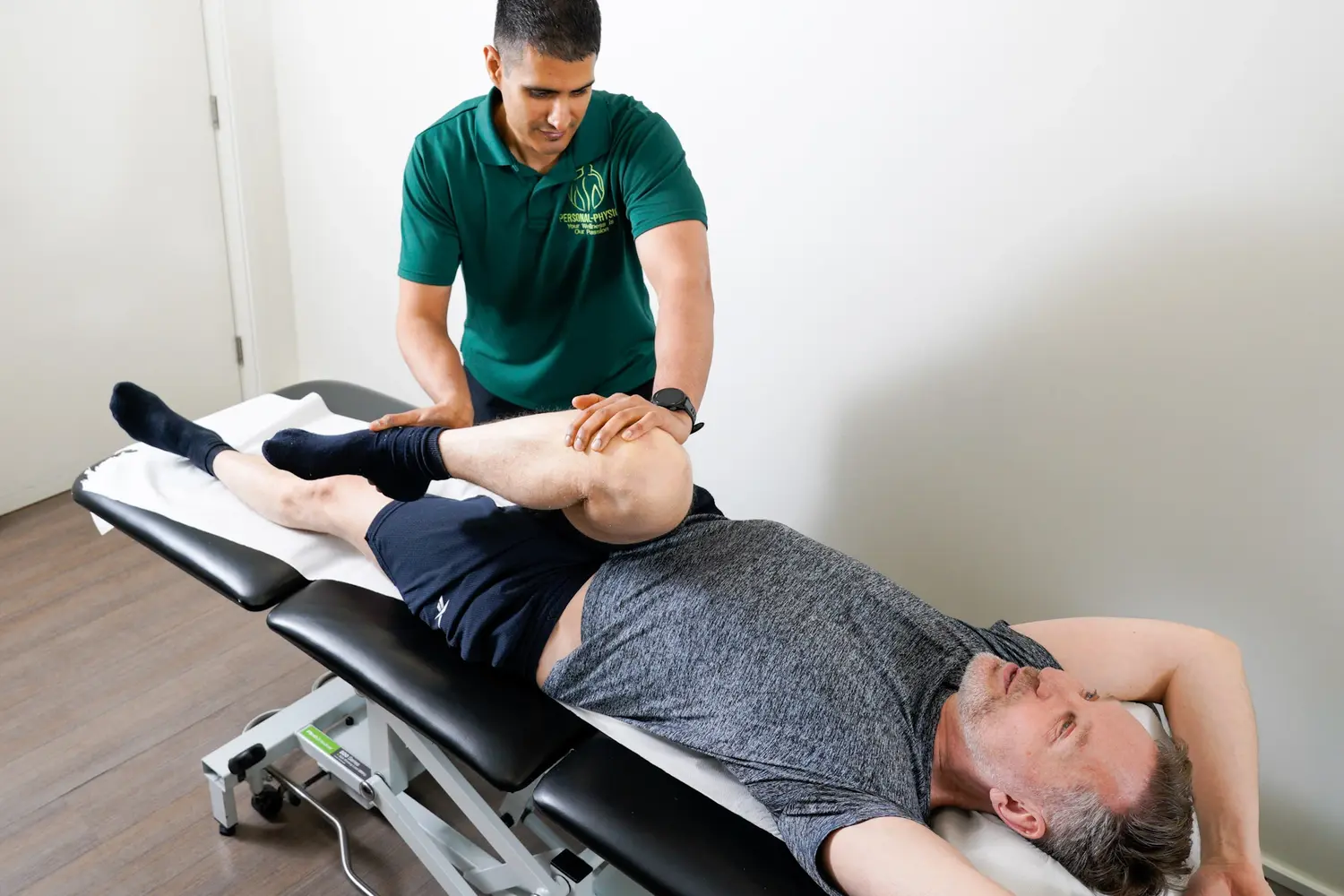
Hands-on treatment can be very helpful, especially when pain, stiffness, muscle tension or guarding is limiting movement.
This might include sports massage, soft tissue therapy, joint mobilisation, acupuncture or dry needling where appropriate.
For many people, hands-on treatment helps them feel more comfortable, move more freely and engage better with rehab.
But if the goal is long-term improvement, treatment should usually be paired with progressive strengthening.
Hands-on treatment can help reduce symptoms. Strength training helps build resilience.
At Personal-Physio, the two are often used together. The aim is not to choose between treatment and exercise. The aim is to use the right combination at the right time.
How Personal-Physio Approaches Strength-Based Rehab
At Personal-Physio, strength training is not treated as an optional extra at the end of rehab. It is often the bridge between feeling better and staying better.
The approach is built around four stages:
Assess. Treat. Rebuild. Perform.
Assess
We start by understanding your pain, injury history, movement, strength, goals and the activities you want to return to.
Treat
Where appropriate, hands-on treatment may be used to reduce pain, stiffness and muscle tension, helping you move more comfortably.
Rebuild
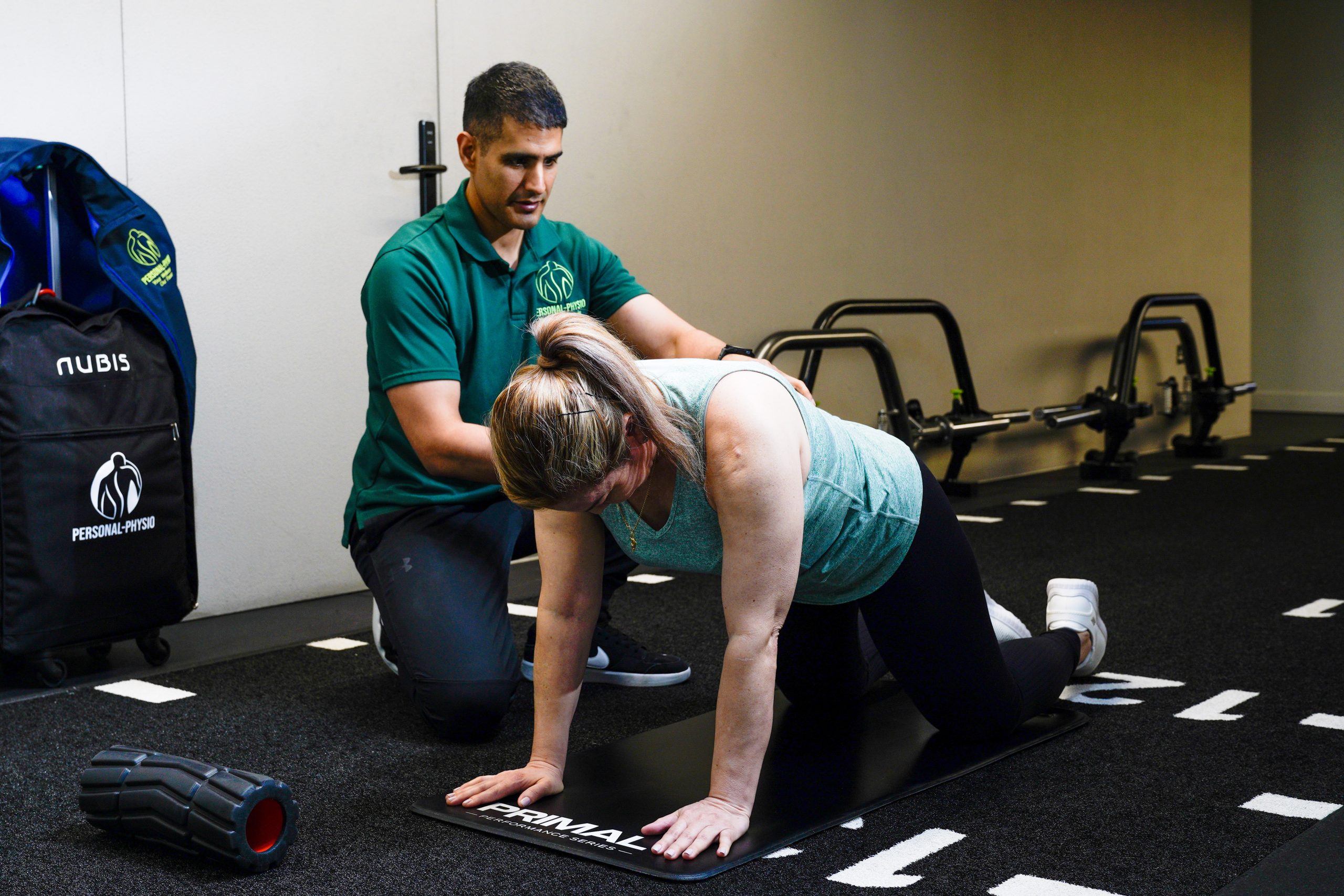
This is where we progressively improve strength, control, mobility, balance and tolerance to load.
Perform
For some people, this means returning to sport or gym training. For others, it means walking confidently, lifting without fear, managing desk work, keeping up with family life, travelling or maintaining independence.
Strength training is not just about performance in the athletic sense. It is about performing better in life.
Personal-Physio offers physiotherapy, rehabilitation and clinical strength and conditioning in Central London, with home visits available in Central and South West London where appropriate.
Final Thoughts
Strength training is one of the most useful tools we have for pain management, injury recovery and long-term health.
It is not just for athletes. It is not just for bodybuilders. It is not just about lifting heavy weights.
It is about building the capacity to move, lift, walk, work, train, age and live with more confidence.
Pain relief is important, but it should not always be the final goal. The bigger goal is to rebuild the strength and resilience needed for the things that matter to you.
If you are dealing with pain, recovering from injury, returning to exercise or wanting to build long-term confidence in your body, Personal-Physio can help you develop a personalised plan.
Book a physiotherapy, rehabilitation or clinical strength and conditioning appointment with Personal-Physio in Central London, or enquire about home visits in Central and South West London.
References
Bull, F.C., Al-Ansari, S.S., Biddle, S., Borodulin, K., Buman, M.P., Cardon, G., Carty, C., Chaput, J.-P., Chastin, S., Chou, R., Dempsey, P.C., DiPietro, L., Ekelund, U., Firth, J., Friedenreich, C.M., Garcia, L., Gichu, M., Jago, R., Katzmarzyk, P.T., Lambert, E., Leitzmann, M., Milton, K., Ortega, F.B., Ranasinghe, C., Stamatakis, E., Tiedemann, A., Troiano, R.P., van der Ploeg, H.P., Wari, V. and Willumsen, J.F. (2020) ‘World Health Organization 2020 guidelines on physical activity and sedentary behaviour’, British Journal of Sports Medicine, 54(24), pp. 1451–1462.
NHS (2024a) Physical activity guidelines for adults aged 19 to 64. Available at: https://www.nhs.uk/live-well/exercise/physical-activity-guidelines-for-adults-aged-19-to-64/ (Accessed: 30 May 2026).
NHS (2024b) Physical activity guidelines for older adults. Available at: https://www.nhs.uk/live-well/exercise/physical-activity-guidelines-older-adults/ (Accessed: 30 May 2026).
World Health Organization (2020) WHO guidelines on physical activity and sedentary behaviour. Geneva: World Health Organization.