A common question people ask is:
“Do I need a physiotherapist or a personal trainer?”
The honest answer is: it depends on where you are starting from, what you want to achieve, and whether pain, injury or confidence with movement is part of the picture.
Personal training and physiotherapy both have value. A good personal trainer can help you improve fitness, build strength, lose weight, improve body composition, stay consistent and train with better structure.
Physiotherapy, on the other hand, is especially useful when pain, injury, surgery, long-term symptoms, movement limitations or medical history need to be considered. Physiotherapy helps restore movement and function when someone is affected by injury, illness or disability, often using movement, exercise, manual therapy, education and advice (Chartered Society of Physiotherapy, 2023).
But many people do not fit neatly into one category.
They are not in severe pain anymore, but they do not feel ready to train properly. They have finished basic rehab, but they still feel weak, hesitant or unsure what to do next. They want to improve fitness, strength and body composition, but they also have a history of back pain, knee pain, shoulder pain, surgery or repeated injuries.
This is where physio-led strength training can be very useful.
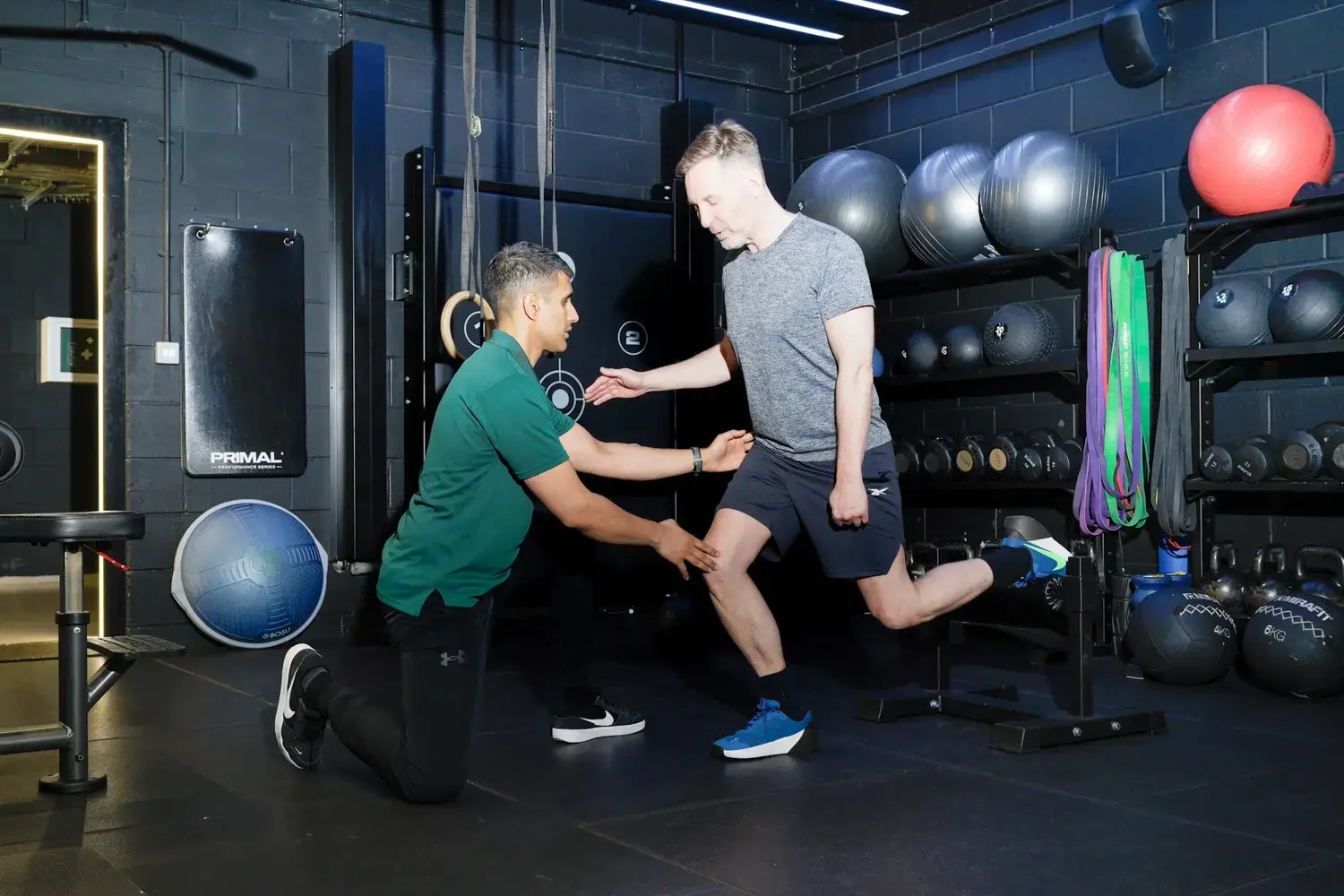
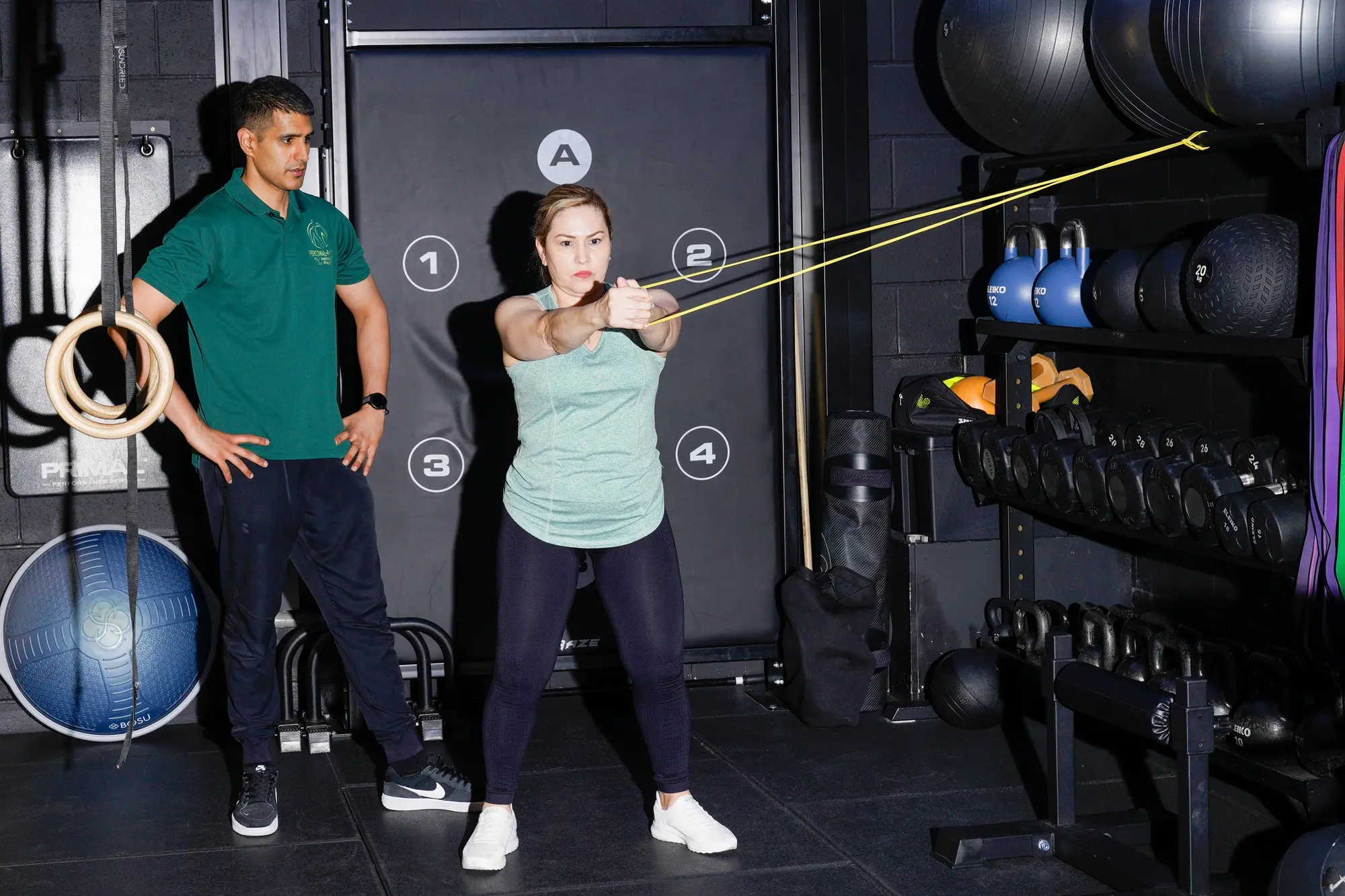
At Personal-Physio, this means combining clinical assessment, hands-on treatment where appropriate, progressive rehabilitation, strength and conditioning principles, and one-to-one exercise programming to help people move better, get stronger and feel more capable.
The goal is not only to look better. It is to feel better, move better and do more of the things you enjoy.
Personal Training Has a Valuable Role
Personal training can be excellent.
A good personal trainer can help with exercise technique, strength training, fat loss, muscle building, cardiovascular fitness, motivation, consistency and general performance.
For many people, regular personal training provides structure and accountability. It helps them train harder, stay consistent and make progress in the gym.
Those goals matter.
Wanting to lose weight, improve body composition, build muscle or feel more confident in how you look is completely valid. Aesthetic goals often help people get started, and they can be a powerful motivator.
But the best training should usually do more than change how your body looks.
It should also help your body function better.
That means improving strength, mobility, control, fitness, confidence and the ability to tolerate the physical demands of daily life, work, sport and ageing.
At Personal-Physio, aesthetics can still be part of the picture, but they are not the only focus. The aim is to build a body that feels capable, resilient and useful in real life.
What Physiotherapy Adds
Physiotherapy adds a clinical layer.
A physiotherapist is trained to assess pain, injury, movement, function, medical history and rehabilitation needs. This is particularly important if you are dealing with symptoms that are persistent, recurring, complex or linked to a specific injury.
For example, you may benefit from physiotherapy if you have:
- recurring back, neck, hip, knee or shoulder pain
- pain that keeps returning when you increase training
- reduced confidence with lifting, running or sport
- a recent injury
- post-surgical rehab needs
- tendon pain
- arthritis-related symptoms
- balance or mobility concerns
- nerve symptoms such as tingling, numbness or weakness
- a medical history that affects how exercise should be progressed
This does not mean you should avoid training. In many cases, the opposite is true.
It means training should be guided properly.
The aim is to understand what is limiting you, what needs to be protected, what needs to be strengthened, and how to progress without repeatedly flaring symptoms.
The Gap Between Rehab and Training
Many people fall into the gap between physiotherapy and personal training.
They may have done some early rehab and feel better day to day, but they still do not feel ready to return fully to the gym, running, sport or heavier exercise.
This stage is often where people get stuck.
They may think:
“I’m not in enough pain to need physio anymore.”
But also:
“I don’t feel ready for normal personal training yet.”
This gap matters.
Early rehab may help reduce pain, restore movement and introduce basic exercises. But returning to higher-level activity often requires more: strength, control, load tolerance, balance, power, confidence and a clear progression plan.
If this middle stage is missed, people can end up in a frustrating cycle.
They rest, feel better, return to training, flare up, stop again, and lose confidence.
Physio-led strength training is designed to bridge that gap.

Not Just Aesthetics: Training for Function and Performance
Many people associate training with how the body looks.
Fat loss, muscle tone, body composition and aesthetics are common goals — and there is nothing wrong with that.
But training can offer much more.
Good training should help you feel better in your body. It should help you move with more confidence, lift without fear, walk further, climb stairs, return to sport, manage desk work better, recover from injury and perform better in the activities that matter to you.
Aesthetic changes often come as a natural by-product of consistent training, improved strength, better nutrition, increased activity and better habits.
But at Personal-Physio, the focus is not only on looking better.
It is about helping you feel better and do more.
That might mean:
- returning to gym training after back pain
- rebuilding knee strength for running or stairs
- improving shoulder confidence after injury
- getting stronger in your 40s, 50s or 60s
- improving fitness and body composition without ignoring pain
- feeling confident lifting, carrying, pushing and pulling
- preparing for sport, travel, hiking, skiing or active family life
The goal is a body that is not just leaner or stronger on paper, but more capable in real life.
What Is Physio-Led Strength Training?
Physio-led strength training combines the best parts of physiotherapy, rehabilitation and personal training.
It is not just a generic gym session.
It is also not just a list of corrective exercises.
It is structured one-to-one training that takes into account your symptoms, injury history, medical background, goals, confidence and current physical capacity.
Depending on the person, it may include:
- movement assessment
- strength testing
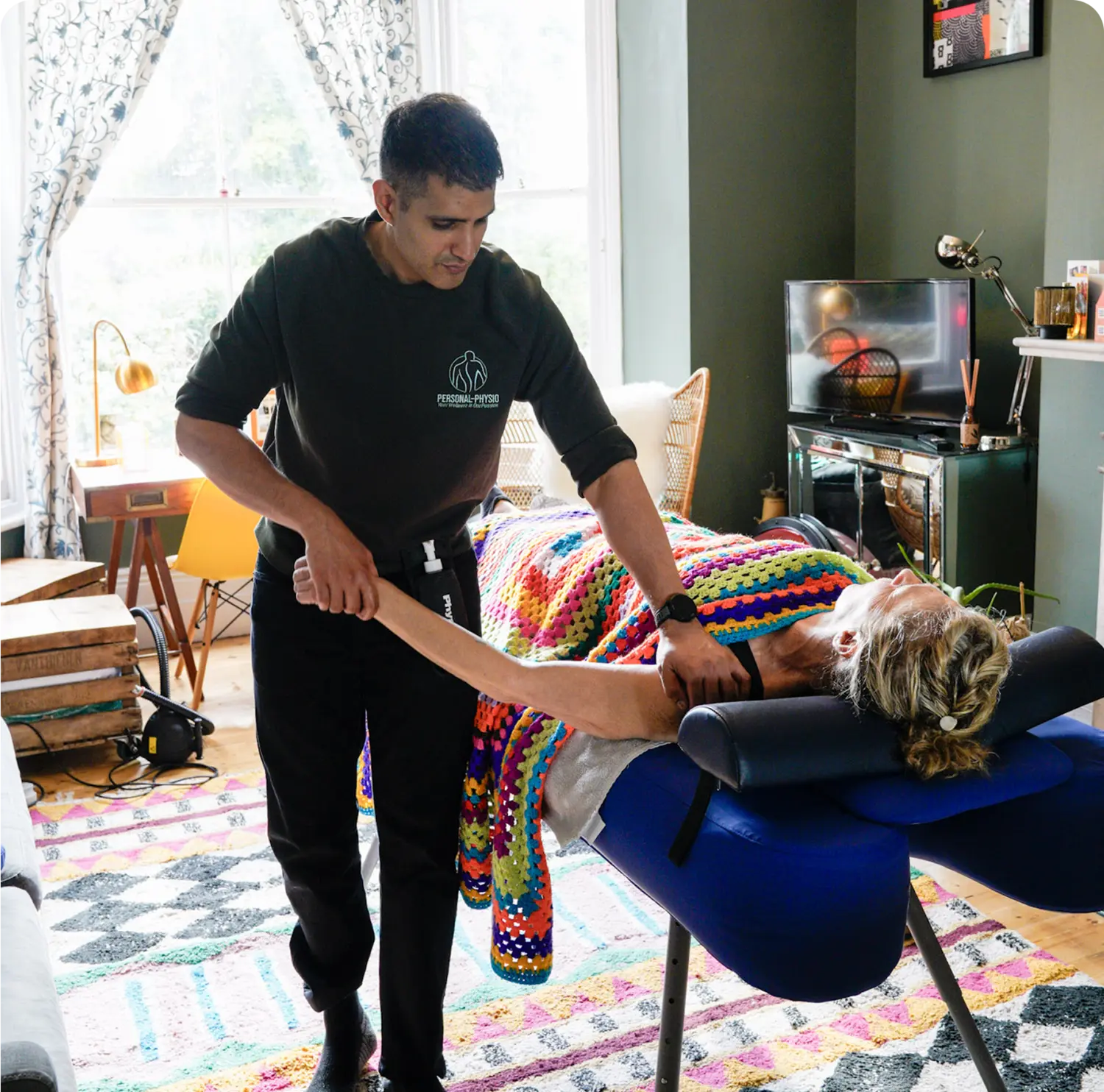
- hands-on treatment where appropriate
- mobility work
- progressive strength training
- balance and control exercises
- return-to-running or return-to-sport progressions
- gym confidence and technique work
- clinical strength and conditioning
- fitness and conditioning work
- advice around load management, recovery and progression
The aim is to make training specific, safe, progressive and meaningful.
Not too cautious. Not reckless. Just well-matched to the person in front of us.
Why My Personal Training and Strength Background Matters
My own background in personal training, strength and conditioning, and exercise programming strongly shapes how I work as a physiotherapist.
I do not see personal training as separate from rehab. I see good programming as one of the most important tools for helping people make long-term progress.
Hands-on treatment can help reduce pain, stiffness and guarding. Early rehab can help restore movement and confidence. But progressive strength training is often what helps people move from short-term improvement to long-term capability.
I also enjoy the programming side of training: choosing the right exercises, setting the right level, progressing load gradually, managing fatigue and adapting the plan as the person improves.
That is especially important when someone wants to improve fitness, lose weight, build strength or return to performance, but also has pain, previous injury or uncertainty about what their body can tolerate.
The goal is to train properly, but with clinical reasoning behind the programme.
Why the One-to-One Relationship Matters
Good personal training is not just about sets, reps and exercises. A big part of the value is the relationship between trainer and client.
That relationship helps with consistency, confidence, accountability and trust. Over time, a good coach gets to understand how someone moves, what motivates them, what they find difficult, when to push, when to adapt and how to keep them engaged.
I see this as an important part of physio-led strength training too.
Rehabilitation is not just about giving someone a programme and hoping they follow it. It is about working with the person in front of you, understanding their goals, building confidence and adapting the plan as their body responds.
This is especially important when pain, injury or fear of movement has affected someone’s confidence. A strong one-to-one relationship can help people feel supported while they gradually rebuild trust in their body.
At Personal-Physio, the aim is to combine clinical reasoning with the same consistency, coaching and relationship-building that makes good personal training effective.

Who Is Physio-Led Strength Training For?
Physio-led strength training may be useful if you:
- want to return to the gym after injury
- have recurring back, neck, knee, hip or shoulder pain
- feel unsure which exercises are safe for you
- want to build strength but keep flaring symptoms
- have completed basic physio but still feel underprepared
- want one-to-one coaching with a clinical approach
- want to improve fitness, body composition and strength
- are returning to running, sport or lifting
- are recovering after surgery and have been cleared to exercise
- want to stay strong, mobile and independent as you age
- want a more structured plan than random exercises or generic workouts
It is especially useful for people who want to train hard enough to make progress, but intelligently enough to respect their injury history and starting point.
Why Strength Training Matters for Health
Strength training is not just a gym trend.
It is part of mainstream health guidance.
World Health Organization guidance recommends that adults perform muscle-strengthening activities involving major muscle groups on two or more days per week, because these provide additional health benefits (World Health Organization, 2020). UK Chief Medical Officers’ guidance similarly recommends adults perform activities to develop or maintain strength in the major muscle groups at least two days per week (Department of Health and Social Care, 2019).
That matters because strength is not only about sport or aesthetics.
Strength supports:
- joint health and control
- bone and muscle health
- balance and coordination
- injury recovery
- confidence with movement
- metabolic health
- healthy ageing
- daily tasks such as stairs, lifting and carrying
- long-term independence
So when we talk about strength training at Personal-Physio, we are not talking only about gym performance.
We are talking about health, confidence and long-term physical resilience.
How Personal-Physio Bridges the Gap
At Personal-Physio, the approach is built around four stages:
Assess. Treat. Rebuild. Perform.
Assess
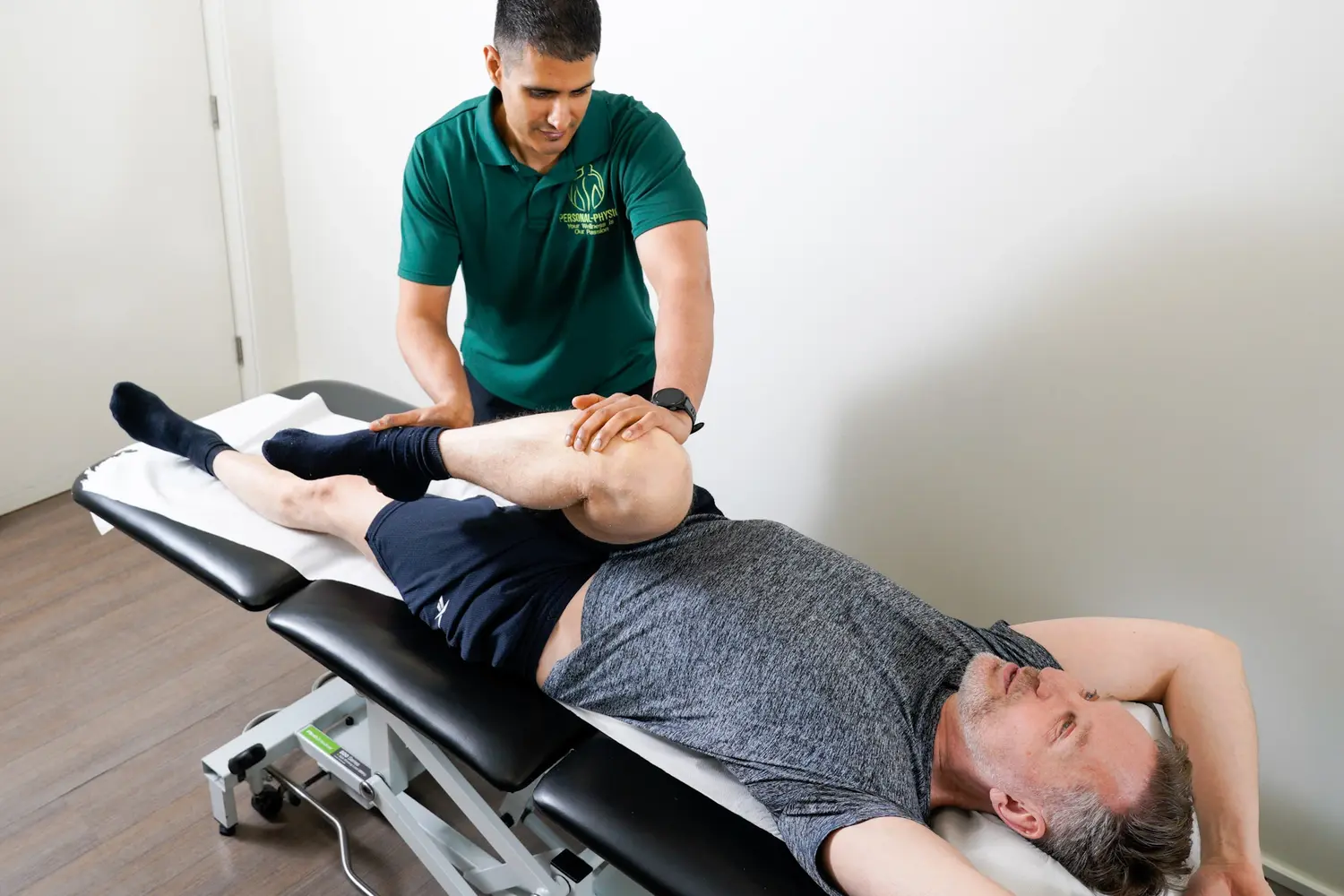
We start by understanding your symptoms, training history, goals, medical background and what you want to achieve.
This may include assessing movement, strength, mobility, balance, confidence and how your body responds to different loads or positions.
Treat
Where appropriate, hands-on treatment may be used to reduce pain, stiffness, muscle tension or guarding.
This might include soft tissue therapy, sports massage, joint mobilisation, acupuncture or dry needling, depending on the presentation and your preferences.
Rebuild
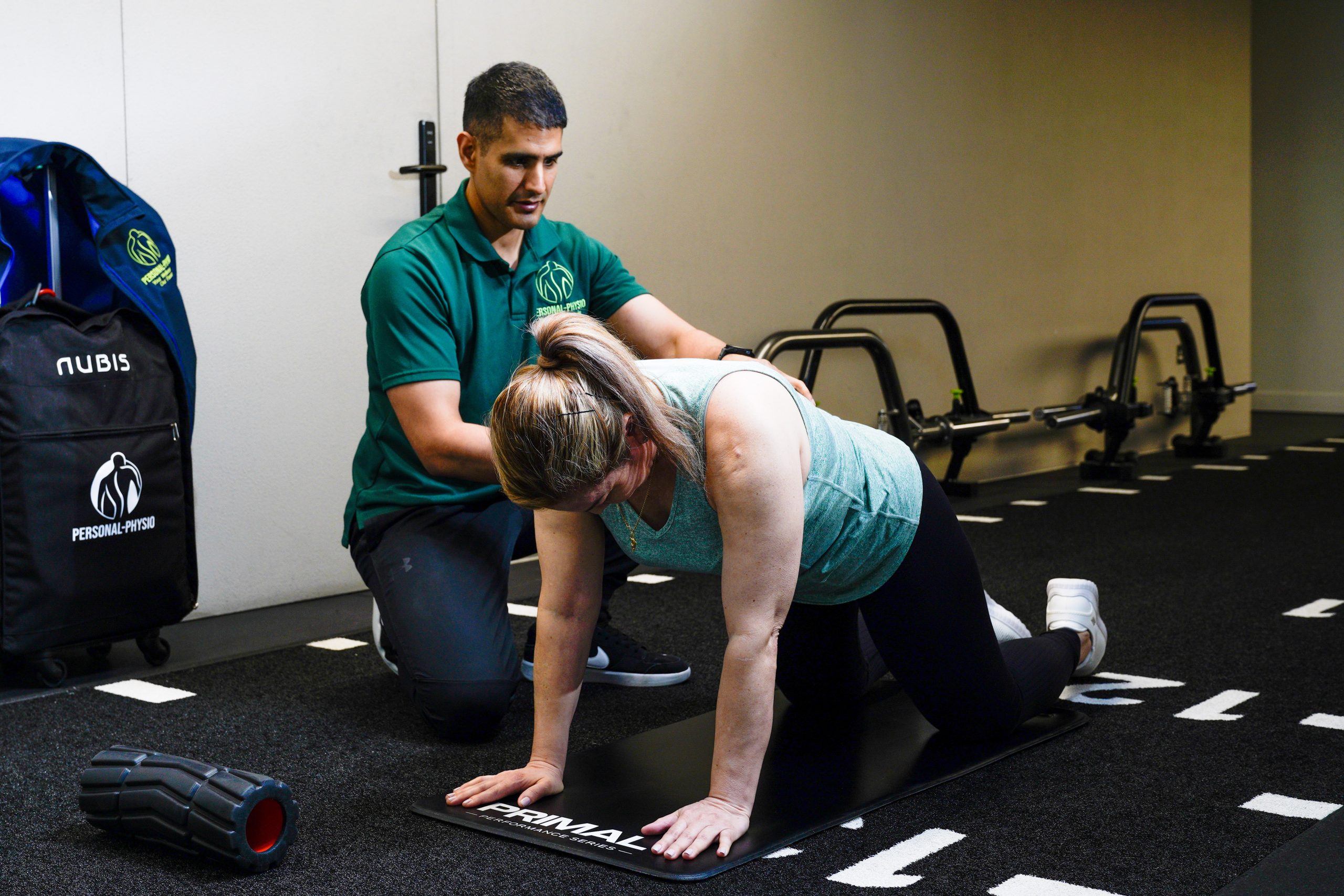
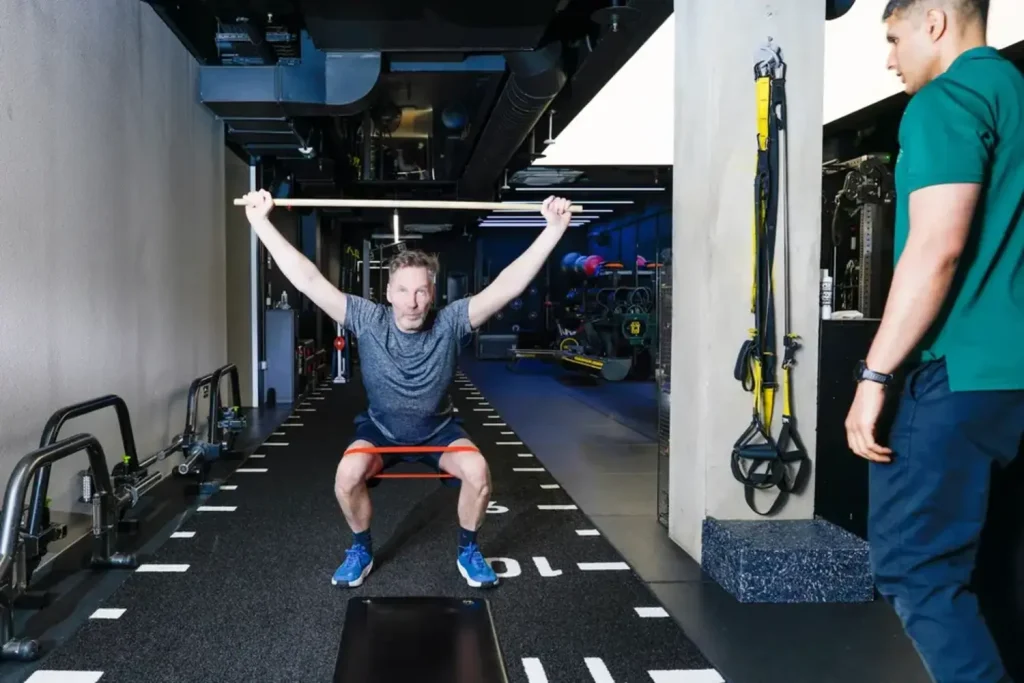
This is where structured rehab and strength training become central.
We gradually rebuild strength, movement control, confidence, fitness and tolerance to load.
The plan is progressed based on how your body responds, not based on a generic template.
Perform
For some people, “perform” means returning to sport, running or gym training.
For others, it means losing weight, feeling stronger, improving fitness, managing work demands, keeping up with family life, travelling confidently or staying active as they age.
Performance is personal.
The aim is to help you feel capable in the life you actually live.
Physiotherapy or Personal Training: Which Do You Need?
You may benefit from personal training if your main goal is general fitness, strength, consistency, weight loss or gym confidence, and you do not have significant pain, injury or medical concerns affecting training.
You may benefit from physiotherapy if pain, injury, surgery, movement limitation, recurring symptoms or medical history needs assessment and clinical reasoning.
You may benefit from physio-led strength training if you sit somewhere in the middle:
You want to train, but you also want someone who understands pain, injury, rehab and progression.
You want to get stronger, but you do not want to ignore your symptoms.
You want to improve fitness and body composition, but you also want to move well, feel confident and avoid repeated setbacks.
You want more than temporary pain relief, but something more tailored than a generic workout.
That is the gap Personal-Physio is designed to bridge.
Final Thoughts
Physiotherapy and personal training both have value.
The question is not always which one is better. The better question is:
What do you need right now?
If you are pain-free, confident and simply want help with general fitness, a good personal trainer may be exactly what you need.
If you are dealing with pain, injury, surgery or uncertainty about movement, physiotherapy may be the better starting point.
And if you want to move from pain or injury towards better strength, fitness, confidence and performance, physio-led strength training can provide the bridge.
At Personal-Physio, the goal is not just to help you look better or feel better for a few days.
The goal is to help you feel stronger, move better and do more of the things you enjoy.
Book a physiotherapy, rehabilitation or physio-led strength training appointment with Personal-Physio in Central London.