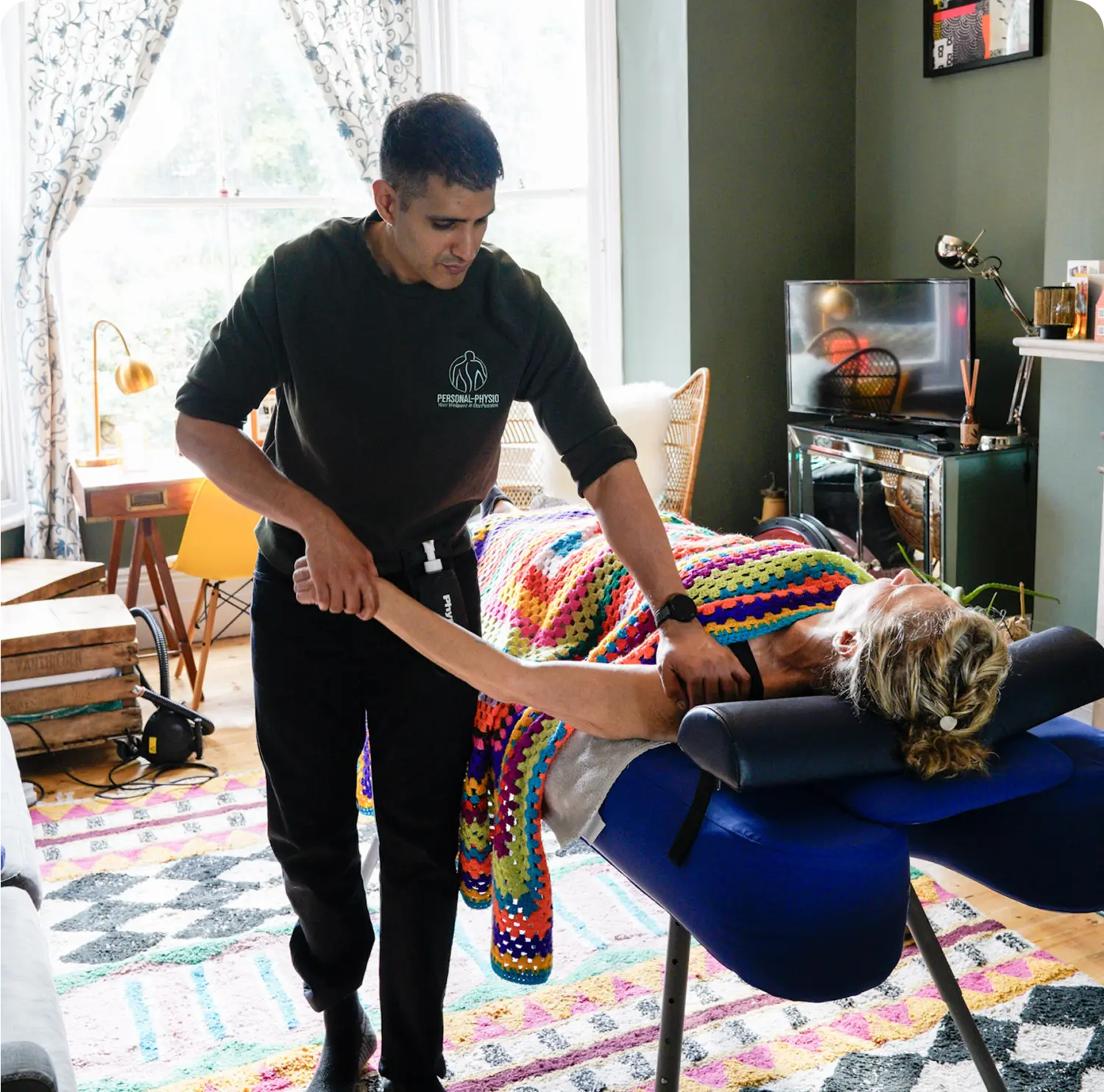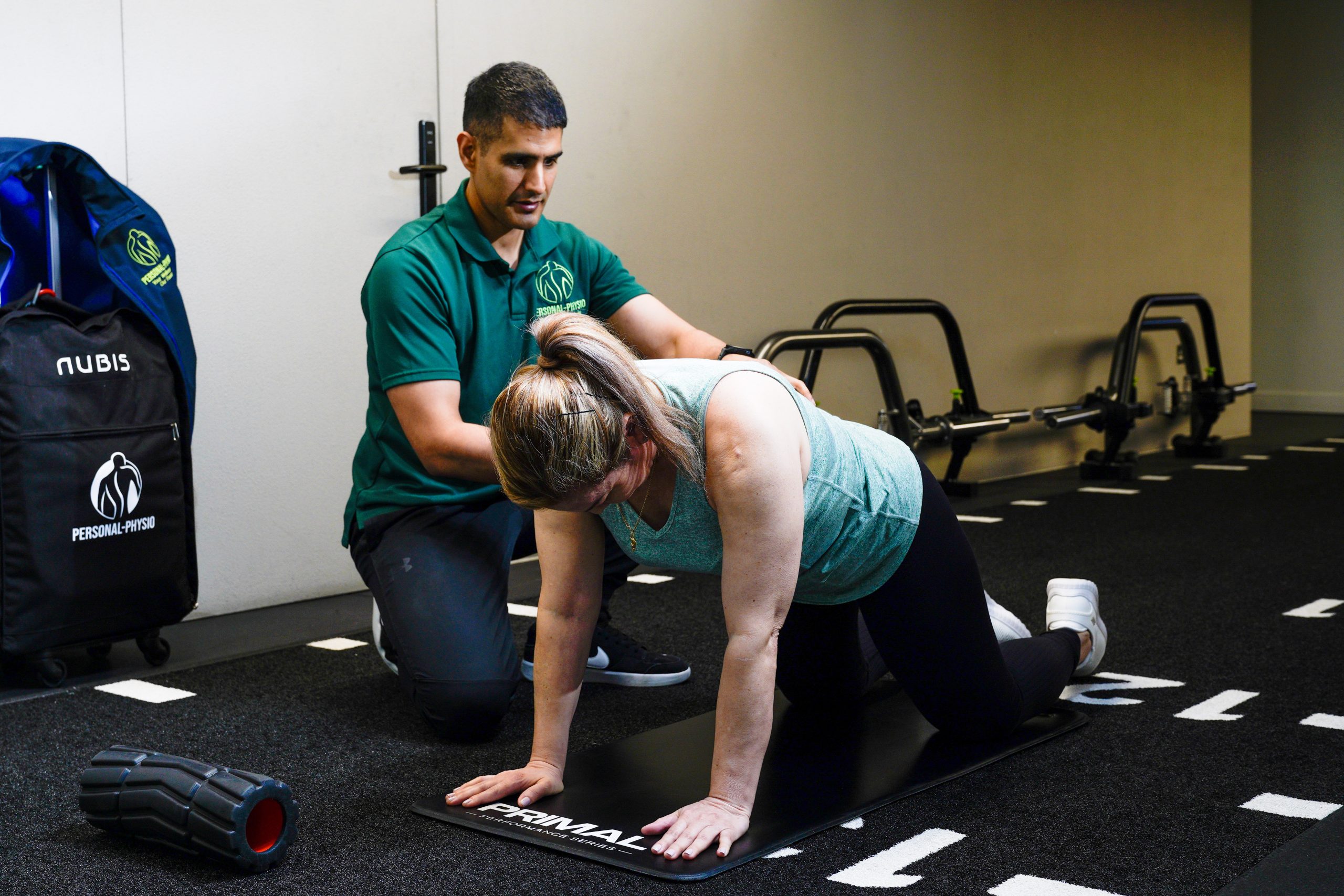
When an injury interferes with running, gym training or sport, it can be difficult to know what information matters. Should you stop training completely? Do you need a scan? Are you ready to return, or would a more gradual progression be sensible?
A sports physiotherapy assessment brings these questions into one clinical picture. Your symptoms matter, but so do your injury history, recent training, current physical capacity and the demands of the activity you want to resume.
If you are considering sports physiotherapy in London, here is what you can expect.
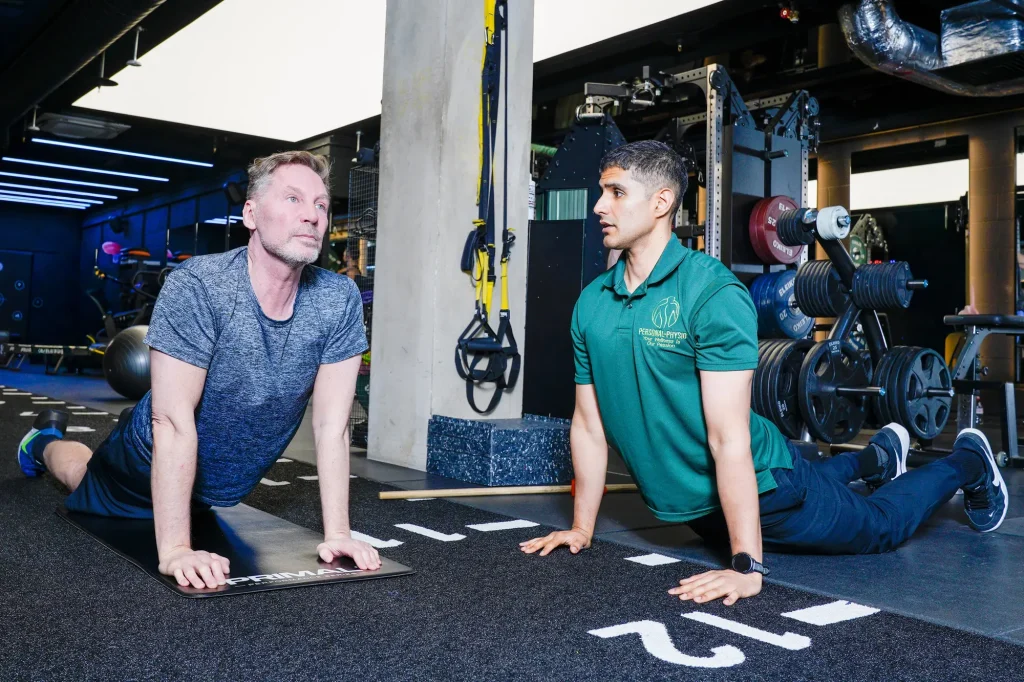
Understanding the Problem
The assessment begins with a detailed conversation. Your physiotherapist will usually ask:
- When and how the symptoms began
- Which activities aggravate or ease them
- How the problem affects training and everyday life
- Whether you have experienced it before
- What your recent training has involved
- Which activity you want to return to
The same symptom can mean different things to different people. Mild knee discomfort during a first return to jogging presents a different challenge from pain that repeatedly prevents someone competing. Your goals help determine which findings and tests are most relevant.
The history also helps the physiotherapist consider whether the presentation is suitable for physiotherapy or whether medical review or further investigation may be appropriate. Imaging is useful in selected cases, although many musculoskeletal injuries can be assessed and managed without a scan.
Physical Assessment
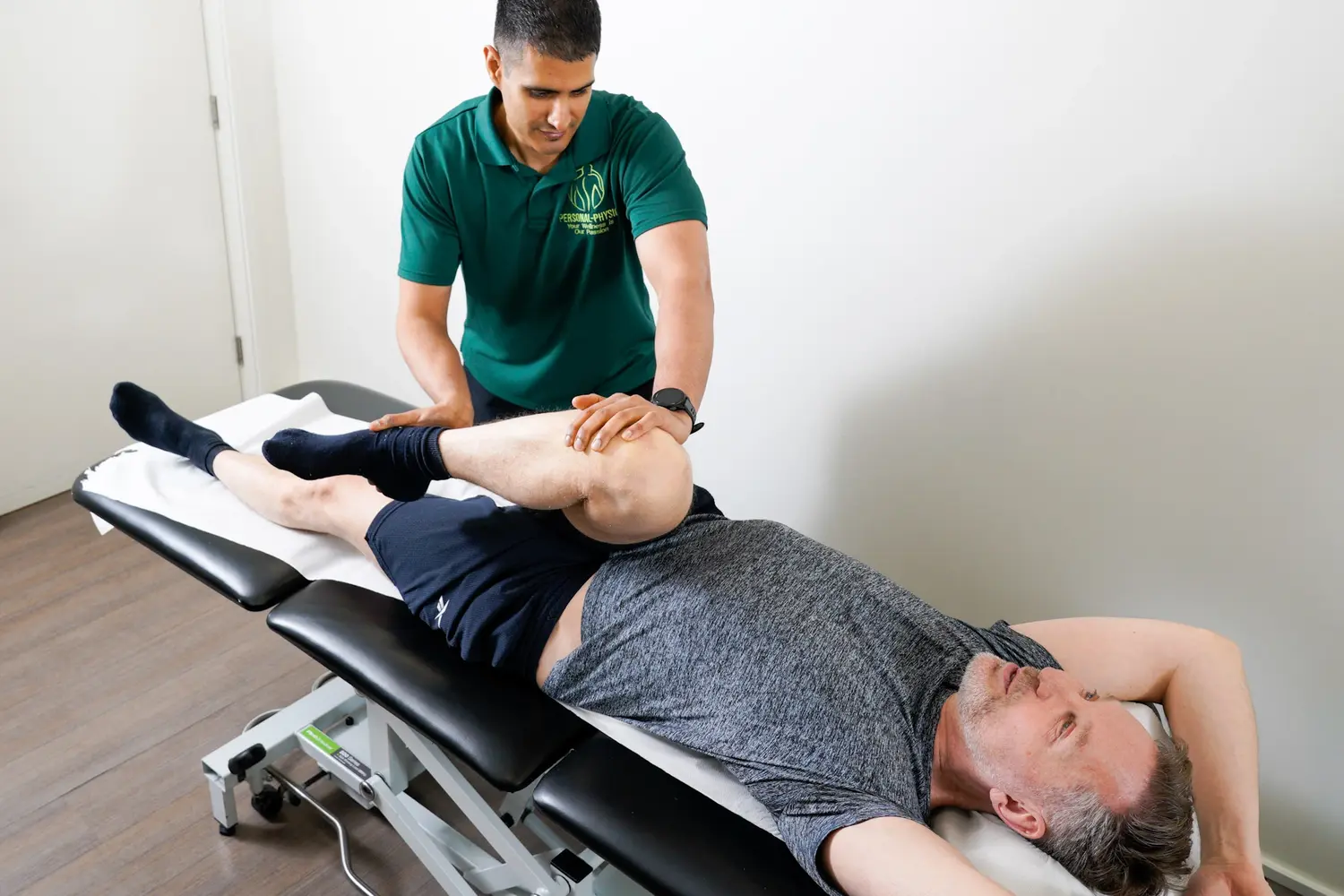
The examination is shaped around the problem and may include:
- Joint movement and mobility
- Muscle strength or force testing
- Balance and coordination
- Repeated loading or endurance tests
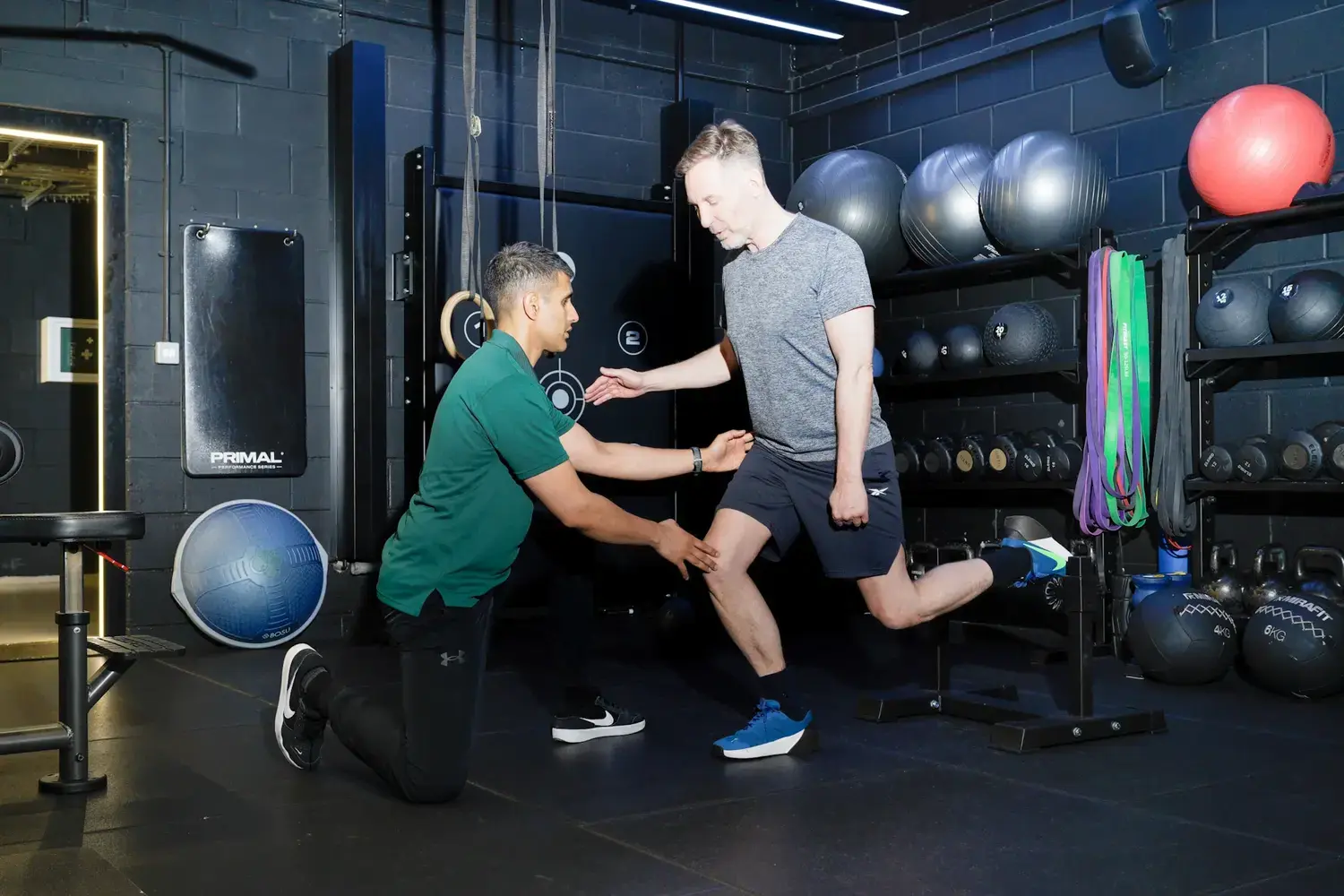
- Hopping, landing or change-of-direction tasks
- Running, lifting or another relevant movement
Natural differences exist between sides, so an asymmetry does not automatically explain pain. Testing is most helpful when it answers practical questions: what can you tolerate now, which tasks reproduce the symptoms and what can be measured again as rehabilitation progresses?
A runner with Achilles pain may need calf strength and endurance assessed alongside running volume and symptom response. Someone with shoulder pain during pressing may need their tolerance to different angles and loads explored. In both cases, the examination should relate to the person’s actual activity.
Training Load and Recovery
Changes in distance, intensity, frequency or exercise selection can provide useful context. Time away through illness or travel, a rapid return to a previous routine, and limited recovery between demanding sessions may also be relevant.
No single session or movement necessarily explains an injury. Sports injuries are often influenced by several interacting factors, and assessment should reflect that complexity.
Your physiotherapist can help decide whether training needs to be adjusted temporarily. Complete rest is not always required; selected activities may continue while the aggravating load is modified.
Relating the Assessment to Your Sport
Comfort during everyday life does not necessarily demonstrate readiness for sport. Walking without pain does not test sprinting capacity, and full shoulder movement does not reproduce repeated overhead loading.
As rehabilitation progresses, assessment should become more specific. Depending on the injury and goal, this may involve heavier strength work, faster movement, impact, repeated efforts or fatigue-based tasks. These are introduced when appropriate, using the initial findings as a starting point.
Return to sport is better understood as a progression than a single clearance moment. The athlete gradually moves from rehabilitation into modified participation and, eventually, unrestricted performance (Ardern et al., 2016).
Agreeing the Plan
By the end of the appointment, you should understand:
- The working diagnosis and level of certainty
- Which findings appear most relevant
- What you can continue doing
- What may need temporary modification
- The first stage of rehabilitation
- How progress will be reviewed
Hands-on treatment may be included where appropriate, while progressive rehabilitation often forms the main route back to activity. The programme should also be realistic enough to fit around work, training and recovery.
When Is an Assessment Worth Considering?
An assessment may be helpful when an injury is preventing normal training, symptoms have not settled as expected, the same problem has returned, or you are unsure how to progress safely. You do not have to wait until the pain becomes severe.
A well-structured assessment provides a reasoned starting point. It connects the injury with your present abilities and the demands ahead, giving rehabilitation a clearer direction.
Personal-Physio provides sports physiotherapy and gym-based rehabilitation at UNTIL Soho in Central London, close to Tottenham Court Road station.
Frequently Asked Questions
Do I need a scan before seeing a sports physiotherapist?
Usually not. Many sports injuries can be assessed clinically. If imaging or medical review appears appropriate, your physiotherapist can explain why.
Can I continue training during rehabilitation?
Often, yes. The answer depends on the injury and your response to activity. Training can frequently be modified while tolerance is rebuilt.
How long will rehabilitation take?
Timelines vary with the diagnosis, severity, duration, starting capacity and goals. The initial assessment provides a more individual estimate.
References
Ardern, C.L. et al. (2016) ‘2016 Consensus statement on return to sport from the First World Congress in Sports Physical Therapy, Bern’, British Journal of Sports Medicine, 50(14), pp. 853–864. https://doi.org/10.1136/bjsports-2016-096278
Bahr, R. (2016) ‘Why screening tests to predict injury do not work—and probably never will: a critical review’, British Journal of Sports Medicine, 50(13), pp. 776–780. https://doi.org/10.1136/bjsports-2016-096256
Soligard, T. et al. (2016) ‘How much is too much? (Part 1) International Olympic Committee consensus statement on load in sport and risk of injury’, British