
When you are recovering from a sports injury, one of the biggest milestones is the moment things finally start to feel better.
Pain reduces. Walking feels normal. Day-to-day movements become easier. You may even be able to jog, train lightly or do a few drills without much discomfort.
At that point, it is very tempting to think: “I’m ready to go back.”
But feeling better is not always the same as being ready for sport.
This is one of the most common reasons people get stuck in repeated injury cycles. They rest, symptoms settle, they return to sport, and then the same problem comes back — sometimes worse than before.
At Personal-Physio, I often see runners, footballers, tennis players, gym-goers and active professionals who are no longer in much pain, but still have not fully rebuilt the strength, control, power, confidence or sport-specific capacity they need to return safely.
Pain reduction is important, but it is only one stage of recovery. The real goal is not just to feel better at rest or during simple movements. The goal is to prepare your body for the actual demands of your sport.
Pain Settling Is Progress — But It Is Not the Finish Line

Pain is often the first thing people monitor after injury, which makes sense. If something hurts, it naturally feels like a sign that the injury is still there. If pain settles, it feels like recovery is complete.
But sport places much higher demands on the body than normal daily life.
You may feel fine walking around, going up and down stairs, doing light gym work or jogging slowly. But that does not automatically mean you are ready for sprinting, cutting, jumping, landing, changing direction, tackling, serving, lunging, hitting, twisting or reacting under fatigue.
The gap between “pain-free day to day” and “ready for sport” is where good rehabilitation matters.
This is especially important for people who return to sport based only on time. For example, someone might think they should be ready after two weeks, six weeks or three months because that is what they were told or what happened last time.
Time matters, but it should not be the only guide. A better question is:
What can your body currently tolerate, and how does that compare to what your sport requires?
Return to Sport Should Be Criteria-Based, Not Just Time-Based
A good return-to-sport plan should be progressive and criteria-based.
That means decisions are guided by how your body is performing, not just how long it has been since the injury.
Depending on the injury and the sport, this may include assessing pain and symptom response, range of movement, strength, balance and control, power, speed, change of direction, repeated efforts, sport-specific skills, confidence and psychological readiness, and how symptoms respond later that day and the next morning.
For example, a runner returning from Achilles or knee pain may need to rebuild calf strength, single-leg control, hopping tolerance and gradual running volume.
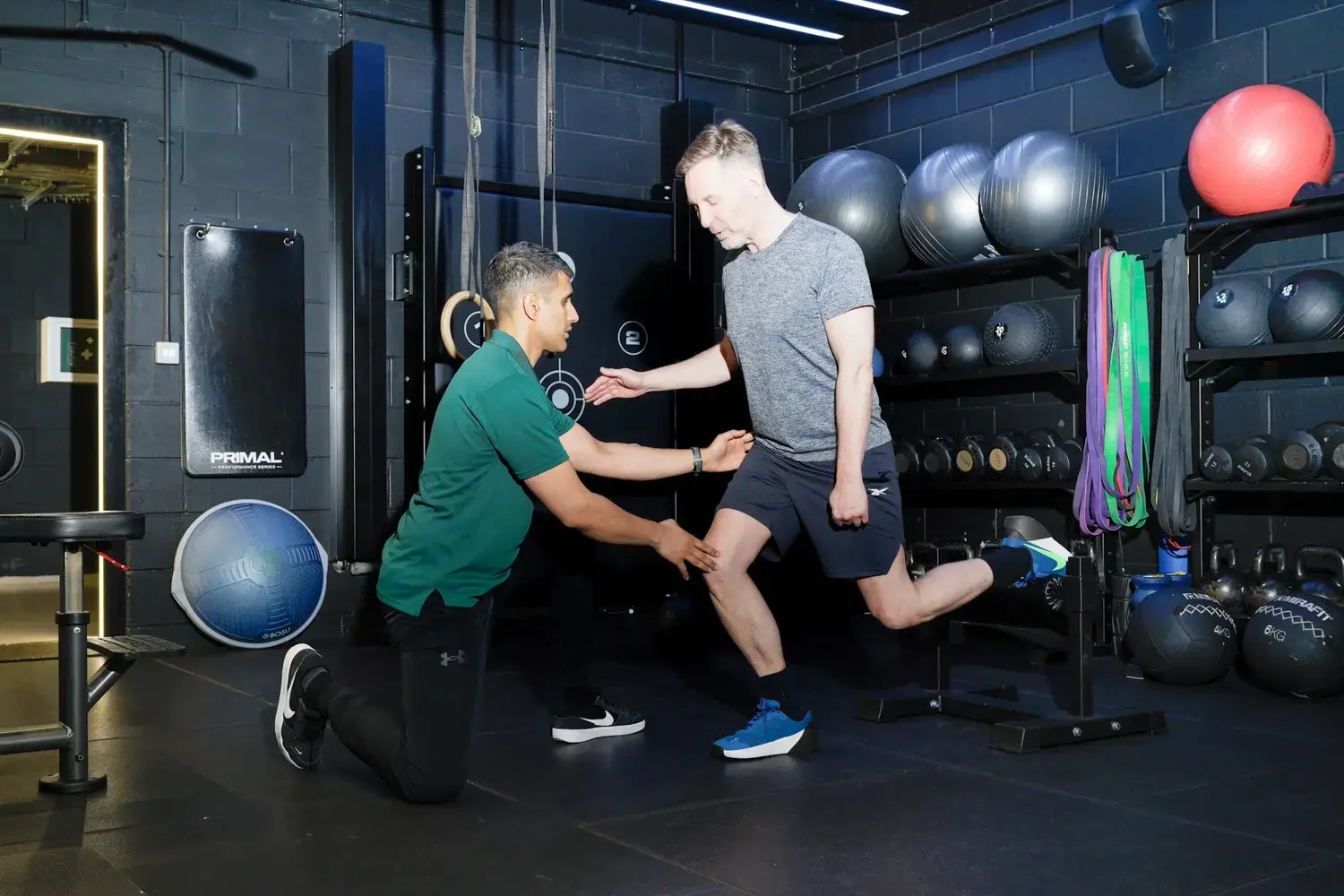
A footballer returning from a hamstring, ankle or knee injury may need to progress from basic strength work into acceleration, deceleration, cutting, change of direction, ball work and fatigue-based drills.
A tennis player returning from shoulder, elbow, knee or calf pain may need to tolerate rotation, lunging, repeated serves, sudden direction changes and high-speed reactions.
A gym-goer returning from back, hip or shoulder pain may need to rebuild confidence with loading, rather than simply avoiding the movements that previously hurt.
The details will vary, but the principle is the same: your rehab should prepare you for the demands you are returning to.
This is consistent with current return-to-sport thinking, which generally views return-to-sport decisions as complex and multifactorial, rather than based on pain or time alone (Ardern et al., 2016). The StARRT framework also highlights that return-to-play decisions should consider tissue health, sport-specific demands and the level of acceptable risk for the individual situation (Shrier, 2015).
Why Injuries Often Come Back
Re-injury often happens when people return before the body is prepared for the real demands of sport.
This does not always mean the original injury was “badly treated”. Sometimes the early recovery phase goes well, but the later stages are missed.
Common reasons injuries come back include:

1. Rehab Stops Once Pain Settles
This is probably the biggest mistake.
Once pain reduces, people often stop doing their rehab exercises. But this is usually the point where the more important work begins.
Early rehab may focus on calming symptoms, restoring movement and rebuilding basic strength. Later rehab needs to develop higher-level strength, control, speed, power and sport-specific tolerance.
If you stop too early, the painful area may feel better but still not be ready for sport.
2. The Return Is Too Sudden
Many people go from “not playing” to “full match”, “short jog” to “normal running volume”, or “light gym” to “heavy training” too quickly.
The body usually responds better to gradual exposure.
This might mean starting with controlled drills, reduced intensity, shorter sessions, modified training, planned rest days and clear progressions before full return.
3. Strength Has Not Been Fully Rebuilt
Strength is not just about lifting heavy weights. It is about giving tissues the capacity to tolerate load.
After injury, the affected area often loses strength, coordination and confidence. The surrounding areas may also compensate.
If those deficits are not addressed, sport can expose the gap very quickly.
4. Power and Speed Are Missed
Being strong in the gym is helpful, but sport is not only slow and controlled.
Running, football, tennis and many gym-based activities involve speed, elasticity, reaction, impact, rotation and repeated efforts.
A person may be able to squat, lunge or bridge well, but still not be ready to sprint, jump, land or change direction at speed.
This is why late-stage rehab often needs to include power, plyometrics, agility and sport-specific drills where appropriate.
5. Confidence Has Not Returned
Physical readiness matters, but confidence matters too.
Some people feel anxious about re-injury, hesitant with certain movements or unsure whether they can trust the area again. This can affect performance and movement quality.
Confidence usually improves through graded exposure: gradually reintroducing the movements, speeds and situations that matter for your sport.
Psychological readiness is increasingly recognised as an important part of returning to sport, particularly because fear of re-injury, hesitation and reduced confidence can all affect performance and decision-making (Ardern et al., 2013; Podlog and Eklund, 2007).
The aim is not to rush someone back. It is to build enough evidence through rehab that the body is ready.
What Should Return-to-Sport Rehab Include?
Return-to-sport rehab should be tailored to the person, the injury and the sport. But there are common building blocks that are often important.
1. Restoring Movement
After injury, joints and muscles can feel stiff, guarded or restricted.
Restoring movement does not mean forcing range aggressively. It means gradually improving the positions and movements you need for your sport.
For a runner, that may include hip, ankle and calf mobility. For a tennis player, it may include shoulder, thoracic spine and hip rotation. For a footballer, it may include ankle range, hip mobility and knee control.
Movement should be useful, not random.
2. Rebuilding Strength
Strength is one of the foundations of return to sport.
This may include single-leg strength, hip and trunk strength, calf strength, hamstring and quadriceps strength, shoulder and upper-back strength, and grip, trunk and rotational strength where relevant.
The goal is to build capacity in the injured area and the wider system around it.
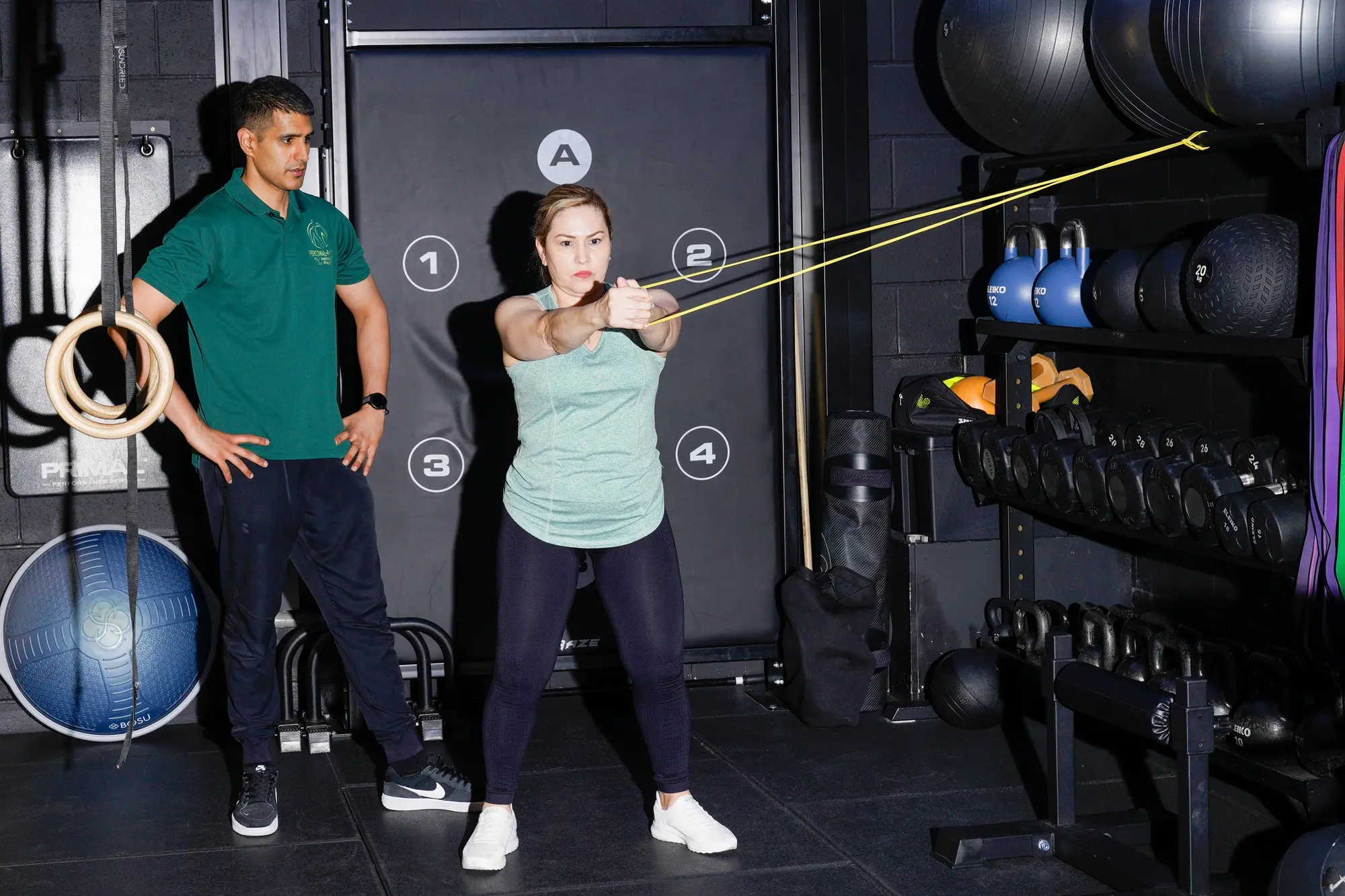
For many active adults, this is where clinical strength and conditioning becomes valuable. It bridges the gap between traditional physiotherapy and full sport or training.
3. Improving Balance and Control
Sport rarely happens in perfect, controlled positions.
You have to land, react, rotate, decelerate and change direction. You may be tired, under pressure or responding to another player.
Balance and control work helps rebuild coordination and confidence. It can also expose differences between sides that may not be obvious during normal daily movement.
4. Reintroducing Impact, Speed and Power
This is a stage many people miss.
If your sport involves running, jumping, landing, sprinting, cutting or rapid changes of direction, your rehab needs to prepare you for those demands.
This might include hopping and landing progressions, skipping and bounding, acceleration and deceleration drills, change-of-direction work, plyometrics, progressive sprint exposure and sport-specific movement patterns.
These should be introduced at the right time and progressed carefully.
5. Building Sport-Specific Capacity
The final stage is making rehab look more like the thing you actually want to return to.
For runners, that may involve structured run-walk progressions, hill exposure, intervals and gradual mileage increases.
For footballers, it may involve ball work, passing, shooting, cutting, sprinting, contact preparation and modified training.
For tennis players, it may involve serving progressions, rotational strength, lateral movement, lunging and repeated hitting exposure.
For gym-goers, it may involve rebuilding specific lifts, movement confidence and progressive loading.
The aim is to reduce the gap between the clinic or gym and real sport.
Where Hands-On Treatment Fits
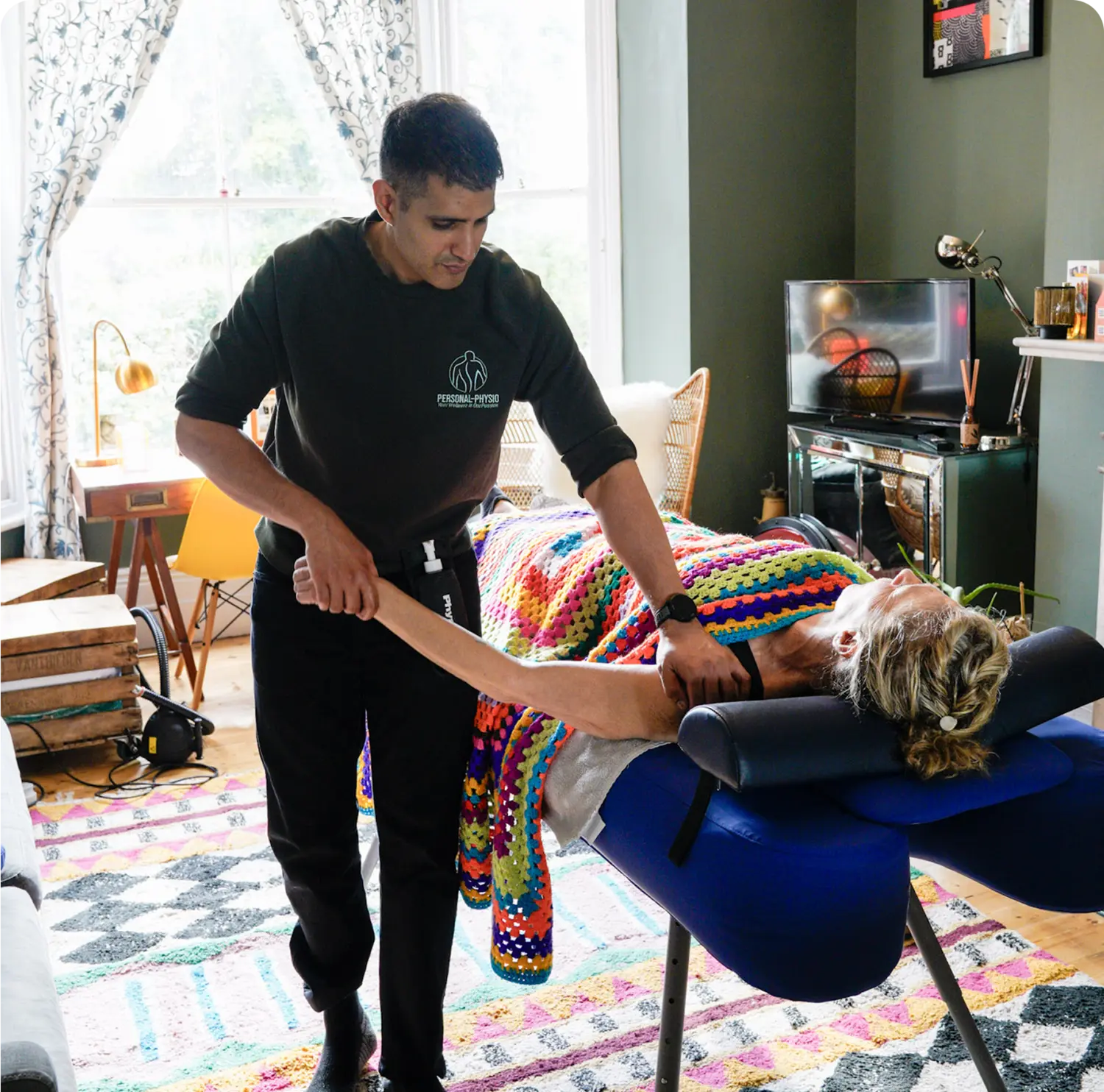
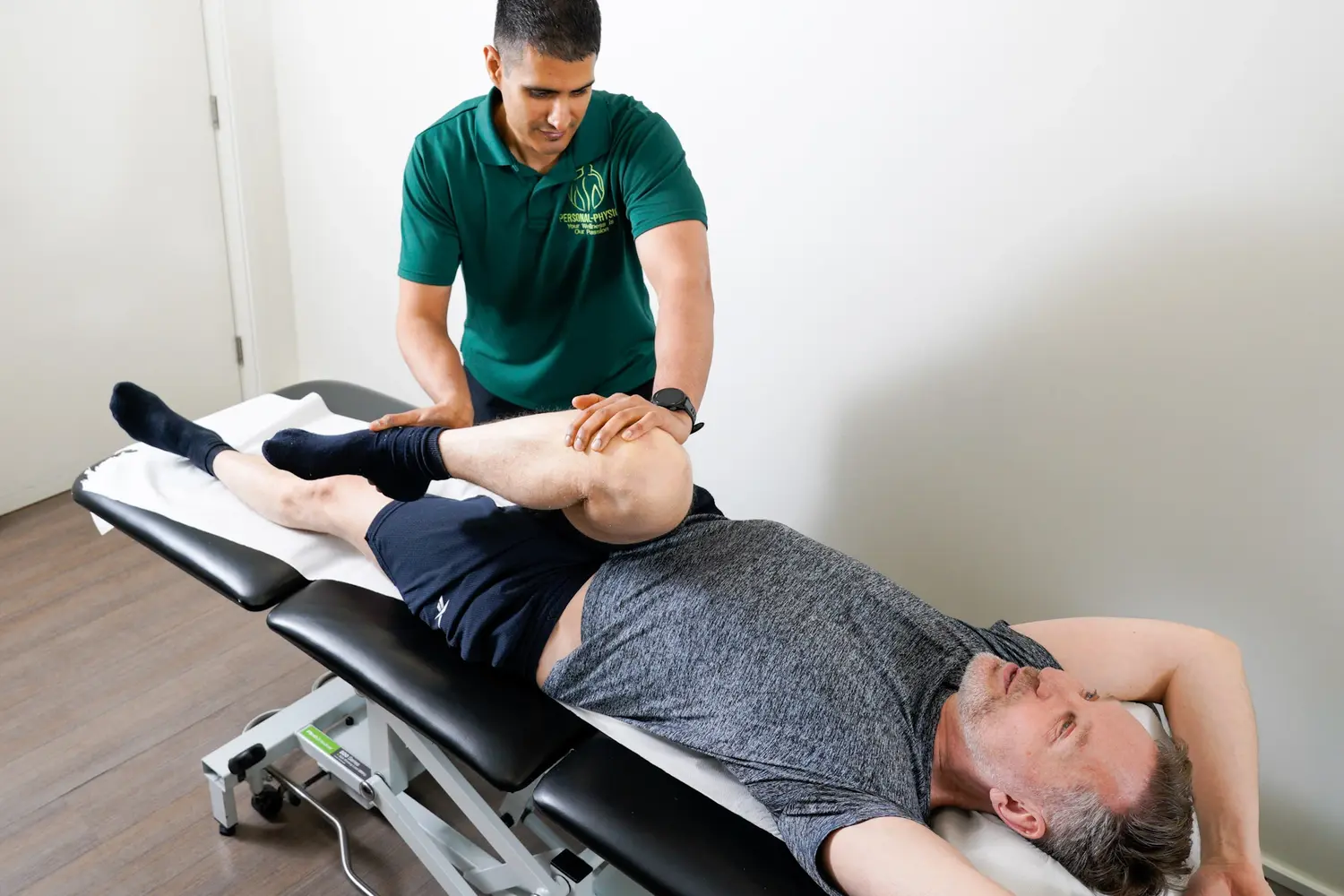
Hands-on treatment can be very useful during injury recovery, especially when pain, stiffness, muscle tension or guarding is limiting movement.
Depending on the presentation, this may include soft tissue therapy, sports massage, joint mobilisation, acupuncture or dry needling.
It can help reduce discomfort, improve movement and make it easier to progress rehab. For example, hands-on treatment may help someone move more freely before working on strength, control or running mechanics.
But hands-on treatment should not be the only part of return-to-sport rehab.
If the goal is to return to running, football, tennis, gym training or another sport, the body also needs progressive loading and sport-specific preparation.
At Personal-Physio, hands-on treatment is used as part of the bigger process — not as a replacement for rebuilding capacity.
How Personal-Physio Approaches Return to Sport

At Personal-Physio, the aim is not just to get symptoms to settle. The aim is to help you return with more confidence, better preparation and a clearer plan.
The process follows four key stages:
Assess. Treat. Rebuild. Perform.
Assess
We start by understanding the injury, your sport, your training history, your goals and what you need to return to.
Assessment may include movement testing, strength testing, balance, control, range of movement, symptom response and sport-specific demands.
Treat
Where appropriate, treatment may include hands-on therapy to reduce pain, stiffness and muscle tension, alongside practical advice to manage symptoms and maintain activity.
Rebuild
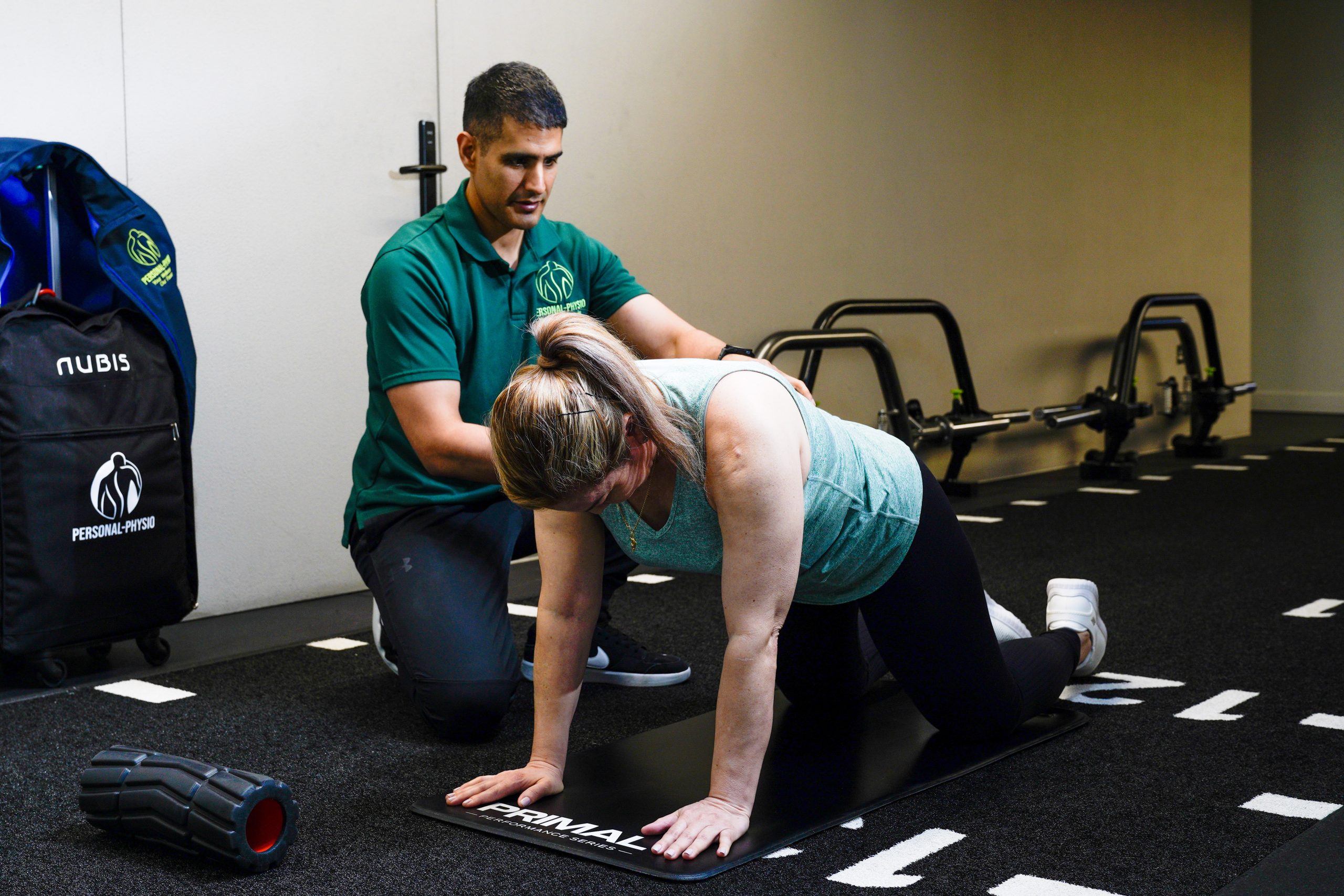
This is where structured rehab and clinical strength work become important.
We progressively rebuild strength, movement quality, balance, control and tolerance to load.
Perform
The final stage is preparing you for the real demands of your sport or training.
This may include running progressions, gym-based loading, plyometrics, agility, speed work, change of direction or sport-specific drills depending on your goals.
The exact plan depends on the injury and the individual, but the principle is always the same: do not just return because time has passed or pain has settled. Return because your body is prepared.
Research and clinical guidance around return to sport increasingly support this type of criteria-based approach, where physical capacity, sport-specific demands and psychological readiness are considered together (Ardern et al., 2016; Shrier, 2015).
A Simple Return-to-Sport Checklist
Before returning fully to sport, it is worth asking:
Can I move comfortably through the ranges I need?
Has my strength been rebuilt enough for my sport?
Can I balance, land, change direction or absorb load confidently?
Have I gradually reintroduced speed, impact or power?
Can I tolerate repeated efforts, not just one good rep?
Do I feel confident, or am I hesitant and protective?
How does my body respond later that day and the next morning?
Have I practised the specific demands of my sport?
This checklist is not a substitute for a proper assessment, but it highlights why return to sport should be more than a guess.
Final Thoughts
Feeling better after injury is a positive step, but it is not always the same as being ready for sport.
Pain reduction matters, but sport requires more than being pain-free in daily life. It requires strength, mobility, balance, power, confidence and exposure to the specific demands of your activity.
Returning too early or too suddenly can increase the risk of symptoms returning. A progressive, criteria-based approach gives you a better chance of returning with confidence.
If you are recovering from a sports injury and want to return to running, football, tennis, gym training or another activity, Personal-Physio can help you build a clear plan from early recovery through to full performance.
Book a physiotherapy or sports injury rehab appointment at Personal-Physio in Central London, or get in touch to discuss home visit physiotherapy across London.
References
Ardern, C.L., Glasgow, P., Schneiders, A., Witvrouw, E., Clarsen, B., Cools, A., Gojanovic, B., Griffin, S., Khan, K.M., Moksnes, H., Mutch, S.A., Phillips, N., Reurink, G., Sadler, R., Silbernagel, K.G., Thorborg, K., Wangensteen, A., Wilk, K.E. and Bizzini, M. (2016) ‘2016 Consensus statement on return to sport from the First World Congress in Sports Physical Therapy, Bern’, British Journal of Sports Medicine, 50(14), pp. 853–864.
Ardern, C.L., Taylor, N.F., Feller, J.A. and Webster, K.E. (2013) ‘A systematic review of the psychological factors associated with returning to sport following injury’, British Journal of Sports Medicine, 47(17), pp. 1120–1126.
Podlog, L. and Eklund, R.C. (2007) ‘The psychosocial aspects of a return to sport following serious injury: A review of the literature from a self-determination perspective’, Psychology of Sport and Exercise, 8(4), pp. 535–566.
Shrier, I. (2015) ‘Strategic Assessment of Risk and Risk Tolerance (StARRT) framework for return-to-play decision-making’, British Journal of Sports Medicine, 49(20), pp. 1311–1315.